
 Pin it
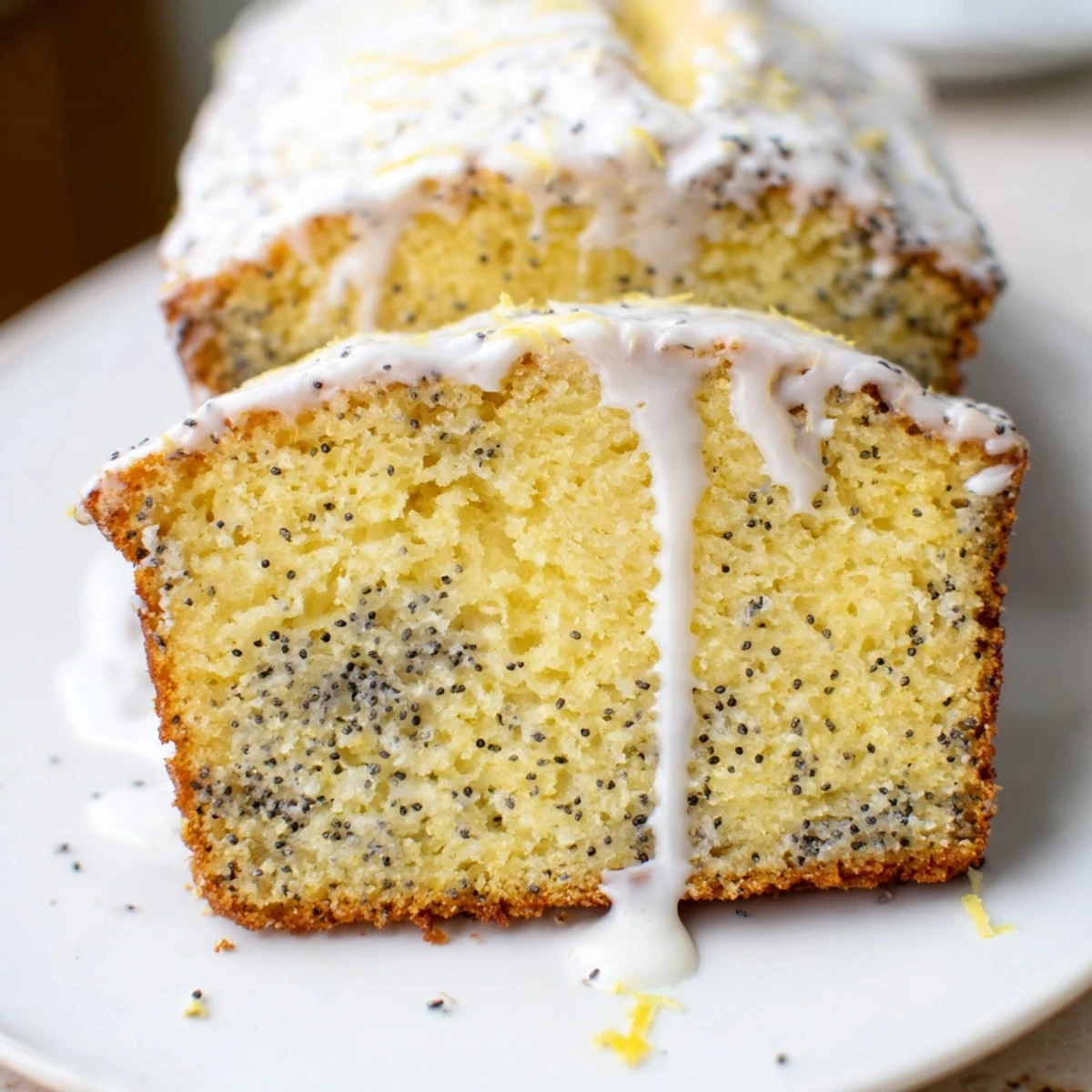
 This bright and zesty cake combines the fresh tang of lemon juice and zest with the nutty crunch of poppy seeds. The batter comes together quickly with softened butter creamed into sugar, then enriched with eggs and milk. A simple glaze of powdered sugar and lemon juice adds the perfect finishing touch.
The result is a tender, moist crumb that balances sweet and tart flavors beautifully. Ready in just over an hour, this loaf shines at spring brunches, afternoon tea, or as a light dessert after dinner. Serve plain or dress it up with fresh berries and whipped cream for special occasions.
The screen door slammed shut behind me as I balanced a grocery bag on one hip and a bundle of Meyer lemons in the other hand, stolen from my neighbor Margos tree with her enthusiastic blessing. That afternoon the kitchen smelled like sunshine and sugar, and by the time the loaf came out of the oven I had already eaten two slices standing at the counter. This lemon poppy seed cake is the kind of thing that turns an ordinary Tuesday into something worth remembering.
I brought this to a potluck once and watched three people argue over the last slice, which is honestly the highest compliment a home baker can receive.
Ingredients
- Unsalted butter (3/4 cup, softened): Room temperature butter creams properly with sugar and creates those tiny air pockets that give the cake its tender crumb.
- Granulated sugar (1 cup): Standard white sugar works best here since brown sugar would muddy the bright citrus flavor.
- Large eggs (2): Add them one at a time so the batter stays smooth and does not split on you.
- Whole milk (1/2 cup): The fat in whole milk keeps everything moist, though sour cream is a brilliant swap if you want an even richer texture.
- Fresh lemon juice (1/4 cup plus 2 tbsp for glaze): Bottled juice tastes flat and metallic next to the real thing, so squeeze your own.
- Lemon zest (1 tbsp): This is where most of the lemon punch lives, so zest directly into the sugar and rub it in with your fingers to release the oils.
- All purpose flour (1 1/2 cups): Spoon it into the measuring cup and level off the top to avoid packing too much flour into the batter.
- Baking powder (1 1/2 tsp): Check the expiration date because old baking powder loses its lift and leaves you with a dense loaf.
- Salt (1/4 tsp): A small amount sharpens every flavor without making the cake taste salty.
- Poppy seeds (2 tbsp): Toast them briefly in a dry pan for a nuttier, deeper flavor that most people never think to do.
- Powdered sugar (3/4 cup): Sift it before mixing with the lemon juice to keep the glaze silky and lump free.
Instructions
- Prep the pan and oven:
- Set your oven to 350 degrees F and grease a 9 by 5 inch loaf pan or line it with parchment paper, leaving the sides hanging over like handles for easy removal later.
- Cream butter and sugar:
- Beat the softened butter and sugar together on medium speed until the mixture turns pale yellow and looks almost fluffy, which usually takes about three minutes of patience.
- Add the eggs:
- Drop in one egg at a time, mixing thoroughly after each one until you no longer see any streaks of yolk floating around.
- Blend in the wet ingredients:
- Pour in the milk, lemon juice, and lemon zest, stirring until everything is combined, and do not panic if the batter looks slightly curdled because that is completely normal.
- Combine the dry ingredients:
- In a separate bowl, whisk together the flour, baking powder, salt, and poppy seeds so they are evenly distributed before they meet the wet mixture.
- Marry the two mixtures:
- Fold the dry ingredients into the wet batter gently, stopping as soon as you no longer see flour streaks, because overmixing is the fastest way to turn tender cake into a brick.
- Fill the pan and bake:
- Scrape the batter into your prepared loaf pan, smooth the top with a spatula, and bake for 35 to 40 minutes until a toothpick poked into the center slides out clean.
- Cool the cake:
- Let the cake rest in the pan for exactly ten minutes, then use the parchment overhang or a butter knife to transfer it gently to a wire rack.
- Make the glaze:
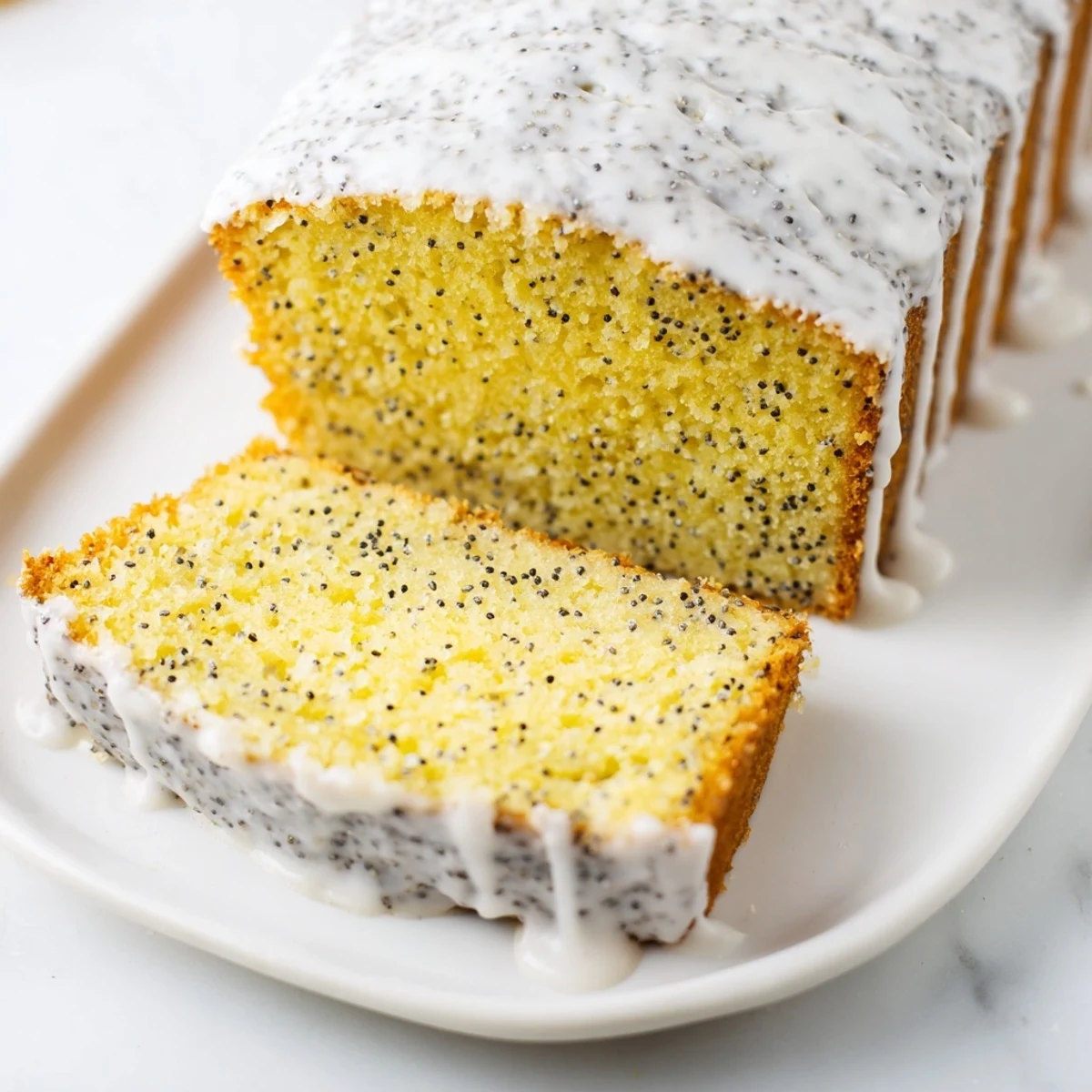
- Whisk the powdered sugar and lemon juice together until smooth, then drizzle it over the completely cooled cake and watch it cascade down the sides like a sweet citrus waterfall.
 Pin it
 The glaze sets into a thin, sweet shell that cracks slightly when you cut the first slice, and that tiny detail is what makes this cake feel like something from a bakery rather than a home kitchen.
A Few Things I Learned the Hard Way
I once pulled the cake out five minutes early because it looked golden and done, only to find a raw center staring back at me. Trust the toothpick test over your eyes every single time.
Serving Ideas Worth Trying
A scoop of vanilla ice cream melting on a warm slice turns this from an afternoon snack into a proper dessert. Fresh raspberries or blueberries scattered on the plate add color and a tart contrast that makes the lemon flavor sing even louder.
Storing and Sharing
This cake stays moist for up to three days wrapped tightly on the counter, though in my house it rarely survives past day two.
- Freeze individual slices wrapped in plastic for up to a month and thaw them at room temperature for an instant treat.
- Avoid refrigerating the cake because the cold dries out the crumb faster than you would expect.
- Double the glaze recipe if you want a thicker, more dramatic finish on top.
 Pin it
 Every time I bake this loaf I think of Margo and her ridiculous lemon tree, and I am reminded that the best recipes always seem to start with a little generosity and a lot of butter.
Recipe FAQs
- → Can I make this cake ahead of time?
-
Yes, this cake actually tastes better the next day as the flavors have time to meld. Wrap tightly in plastic and store at room temperature for up to 3 days. Add the glaze before serving for the freshest appearance.
- → Why does my batter look curdled when adding lemon juice?
-
This is completely normal. The acid in lemon juice can cause the dairy to curdle slightly, but it won't affect the final texture. Continue mixing and baking as directed—the cake will turn out moist and tender.
- → Can I freeze this lemon poppy seed cake?
-
Absolutely. Wrap the unglazed cooled cake tightly in plastic wrap, then foil, and freeze for up to 3 months. Thaw overnight at room temperature before adding the glaze and serving.
- → What's the best way to get maximum lemon flavor?
-
Use fresh lemon juice rather than bottled, and don't skip the zest—that's where the aromatic oils live. You can also double the amount of zest or add a teaspoon of pure lemon extract for an extra citrus kick.
- → Can I substitute the all-purpose flour?
-
You can use cake flour for an even lighter texture, but avoid whole wheat which can make the cake dense. For a gluten-free version, use a 1-to-1 baking flour blend designed for cakes.
- → How do I know when the cake is done baking?
-
Insert a wooden toothpick into the center of the cake. If it comes out clean or with just a few moist crumbs, it's ready. The top should be golden brown and the edges should start pulling away from the pan slightly.