
 Pin it
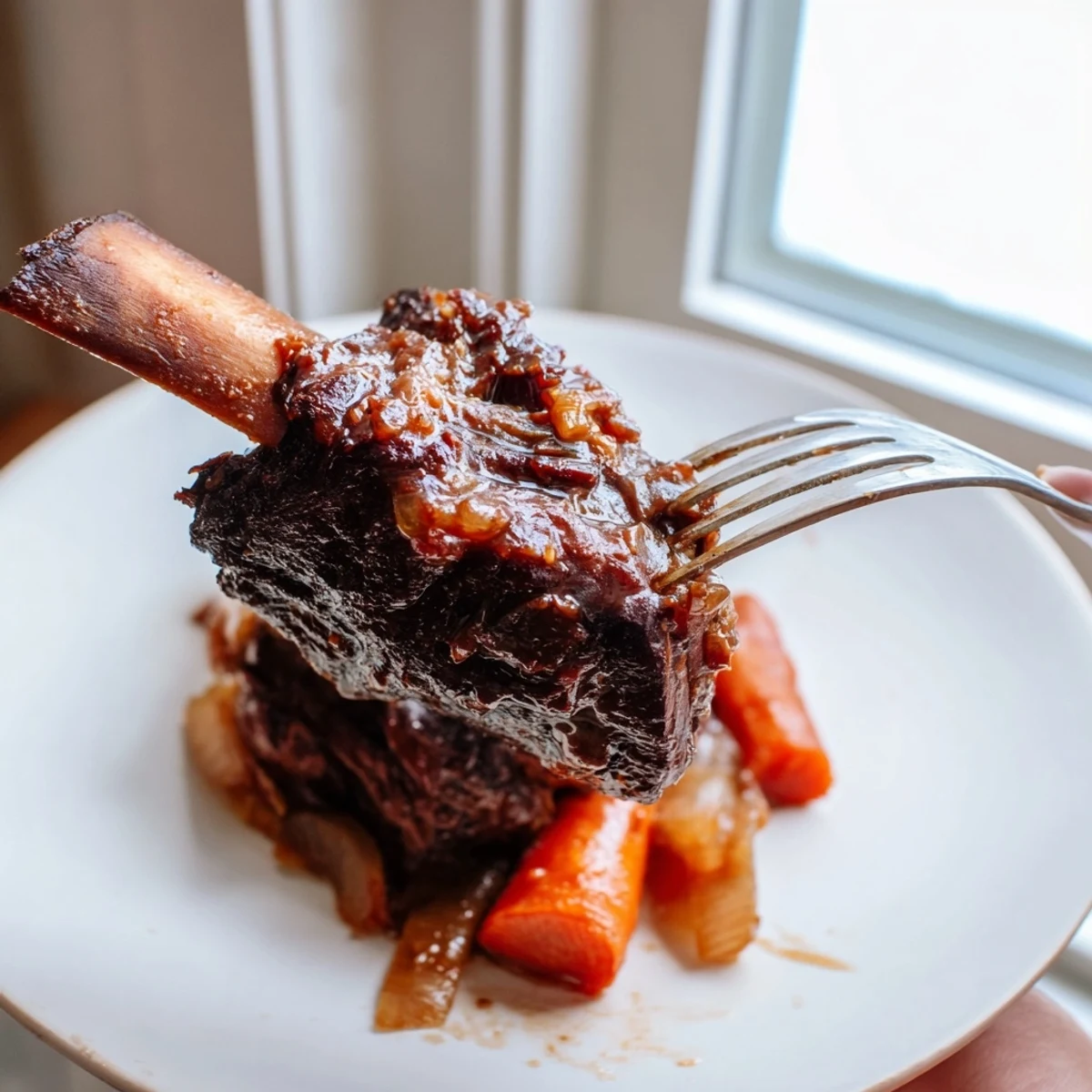
 These beef short ribs deliver fork-tender meat after slow braising in a luscious maple-bourbon sauce. The glaze balances pure maple syrup's sweetness with bourbon's warmth, soy sauce's savoriness, and smoked paprika's gentle heat. Searing the ribs first creates deep caramelization, while oven braising for nearly three hours breaks down connective tissue until the meat pulls effortlessly from the bone. The final uncovered cooking stage concentrates the glaze into a glossy, coating consistency that clings beautifully to each rib.
My brother-in-law accidentally bought eight pounds of short ribs once during what was supposed to be a quick grocery run, and suddenly I was responsible for feeding an unexpected crowd that weekend. The maple-bourbon glaze came about because I'd just made pancakes that morning and had half a bottle of maple syrup staring at me from the counter. Everyone went quiet when they took their first bites, and that's when I knew this recipe was something special.
Last winter I made these ribs during a snowstorm when we were all stuck inside for days, and something about the slow braising process felt like the most comforting thing in the world. We ate them standing up in the kitchen, burning our fingers slightly because nobody could wait to sit down at the table. Now whenever the forecast calls for snow, my husband asks if the ribs are happening.
Ingredients
- Beef short ribs: Bone-in gives you better flavor and the meat stays more tender during the long braising time
- Maple syrup: Use real maple syrup, not pancake syrup—the complexity here is worth every penny
- Bourbon: The whiskey cuts through the richness and adds that smoky depth that makes people ask what's in it
- Tomato paste: This anchors the glaze and gives it body so it coats the ribs properly
- Beef stock: Homemade is ideal but any good quality stock will work for the braising liquid
- Smoked paprika: Don't skip this—it's where that subtle smoky undertone comes from
Instructions
- Sear the ribs:
- Pat those ribs completely dry with paper towels, season them generously with salt and pepper, then get them sizzling in hot olive oil until they're deeply browned on every side. This step builds all the flavor foundation, so take your time and don't crowd the pot.
- Build the flavor base:
- In the same pot, cook down your onions, carrots, and celery until they're soft and starting to brown, then add the garlic for just a minute so it doesn't turn bitter. Stir in the tomato paste and let it get all caramelized and fragrant before deglazing with bourbon.
- Create the glaze:
- Whisk in the maple syrup, soy sauce, Dijon, vinegar, smoked paprika, and beef stock, scraping up every bit of flavor from the bottom of the pot. Let it come to a gentle simmer and taste it—this is your last chance to adjust the seasoning before the long cook.
- Braise low and slow:
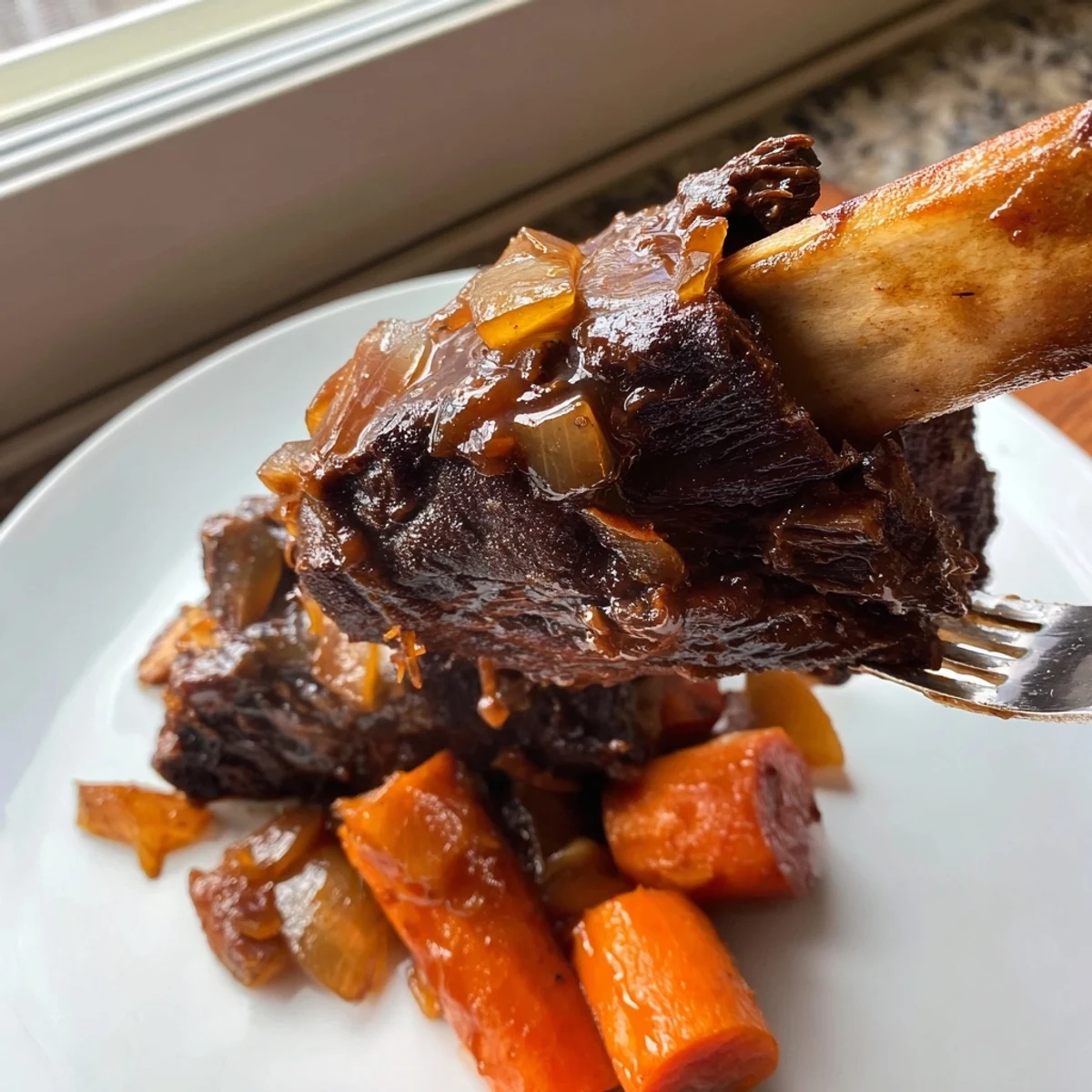
- Nestle those beautiful seared ribs back into the pot, cover it up tight, and slide everything into a 325°F oven for about two and a half to three hours. The meat is done when it yields easily to a fork and is pulling away from the bone.
- Finish with glory:
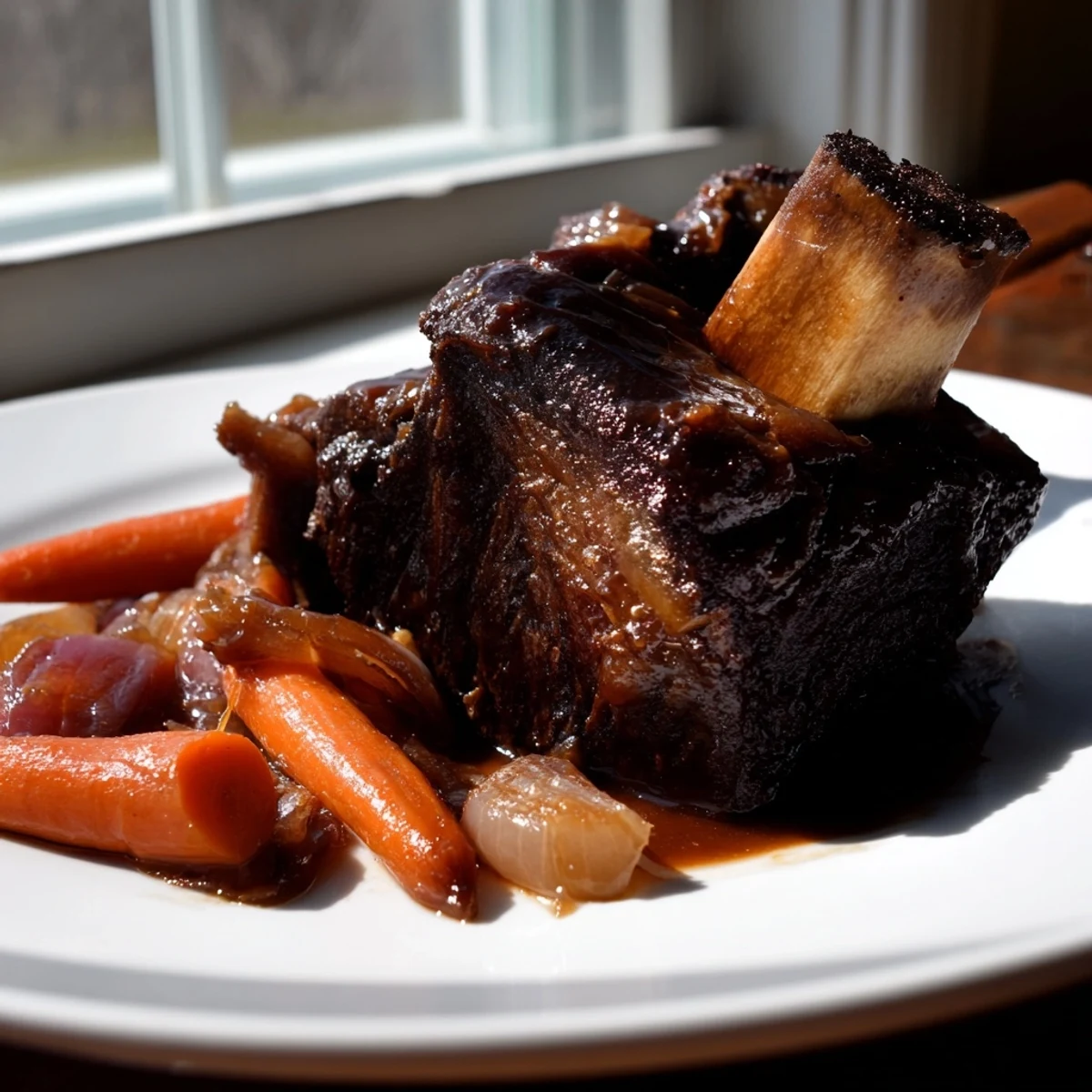
- Uncover the pot for the last thirty minutes to let everything reduce and get all sticky and gorgeous, then pull the ribs out and reduce the sauce on the stove until it coats a spoon. Drizzle that glaze generously over each rib before serving.
 Pin it
 These ribs have become my go-to for birthdays, holidays, and random Tuesday nights when I need kitchen therapy. Something about the slow process transforms a regular evening into something that feels like a proper occasion.
Choosing The Right Ribs
I've learned that English-style short ribs work best here—they're those thick, meaty blocks cut from the rib plate. Flanken-cut ribs (the thin ones cut across the bone) cook too quickly for this recipe and won't give you that fall-apart tenderness we're after.
Make It Ahead
These ribs actually taste better the next day, which makes them perfect for entertaining. I make them up to two days in advance, refrigerate everything, then gently reheat before serving—the flavors have time to marry and the fat solidifies for easy skimming.
Serving Suggestions
Creamy mashed potatoes are non-negotiable in my house because they're perfect for catching all that incredible sauce. Buttered egg noodles work beautifully too, or serve over soft polenta if you want to feel fancy.
- A crisp green salad with acidic dressing cuts through all that richness
- Roasted winter vegetables make it feel like a complete celebration meal
- Crusty bread is essential for sopping up every last drop of glaze
 Pin it
 There's something deeply satisfying about a recipe that rewards patience so generously. Hope these bring your table as much joy as they've brought mine.
Recipe FAQs
- → How do I know when the ribs are done?
-
The meat is ready when it pulls easily from the bone with a fork and feels tender to the touch. This typically takes 2.5–3 hours of braising at 160°C (325°F).
- → Can I make this dish ahead?
-
Yes. The ribs actually taste better the next day as flavors deepen. Cool completely, refrigerate in the sauce, and reheat gently on the stovetop before serving.
- → What cuts work as substitutes?
-
Beef plate ribs or boneless beef chuck roast work well. Adjust cooking time slightly—boneless cuts may cook faster, so check for tenderness around 2 hours.
- → Can I use a slow cooker instead?
-
Absolutely. Sear the ribs first, then transfer everything to a slow cooker. Cook on low for 7–8 hours or high for 4–5 hours until tender. Finish by reducing the sauce on the stovetop.
- → What sides pair well?
-
Creamy mashed potatoes, buttery polenta, or roasted root vegetables complement the rich glaze beautifully. The sauce also pairs wonderfully with crusty bread for soaking up every drop.