
 Pin it
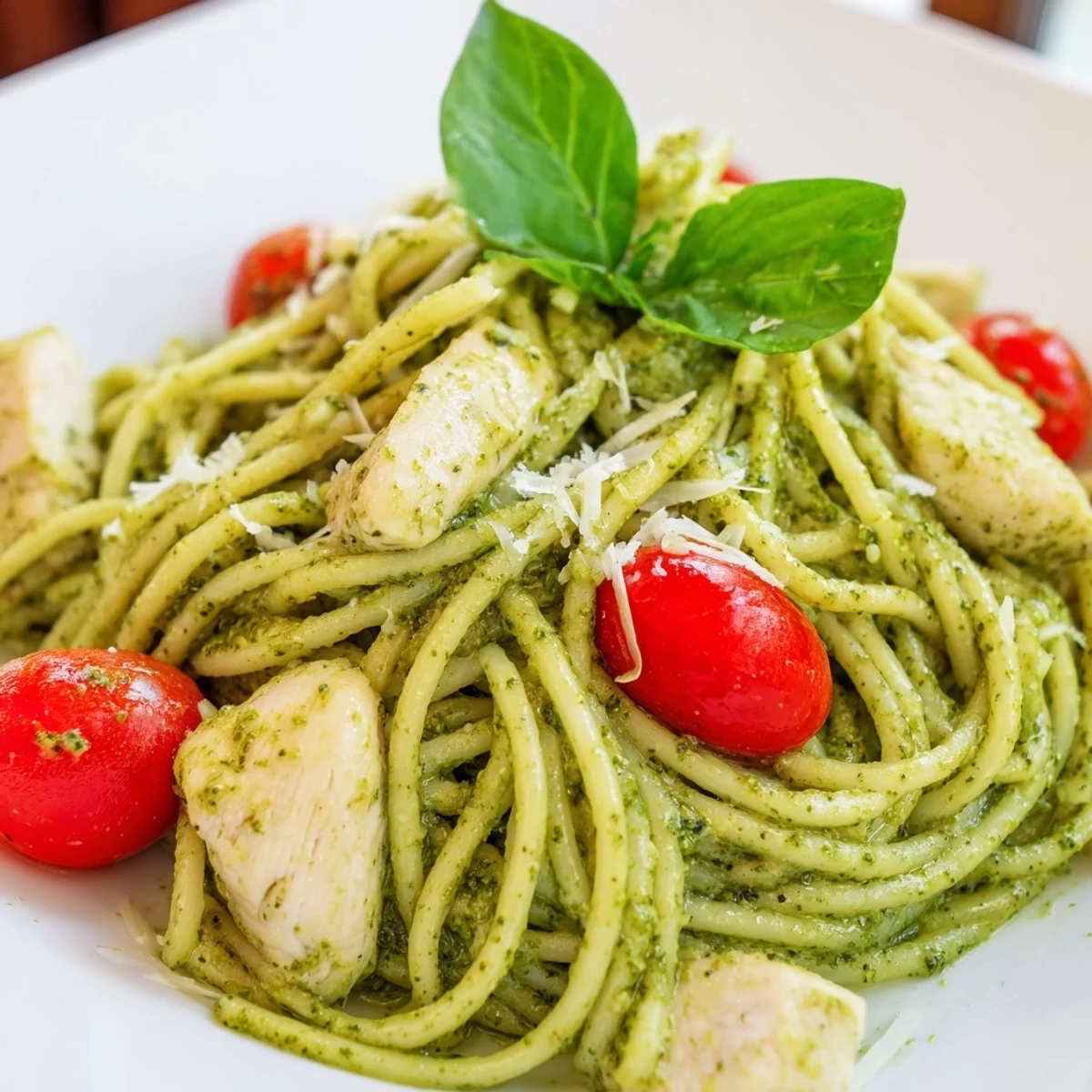
 This vibrant pasta brings together succulent chicken breast with a fragrant homemade basil pesto sauce. The fresh basil, pine nuts, garlic, and Parmesan create an aromatic coating that clings beautifully to al dente noodles while cherry tomatoes add bursts of sweetness. Perfect for busy weeknights, this dish comes together in just 35 minutes and delivers 32 grams of protein per serving. The light yet satisfying combination makes it ideal for those seeking wholesome Italian flavors without the heaviness of cream-based sauces.
The first time I made homemade pesto, I couldn't believe how different it tasted from the jarred stuff I'd been using for years. My tiny apartment kitchen smelled like a garden, and I remember standing there just eating spoonfuls of it straight from the food processor. This pasta became my go-to dinner after long work days when I wanted something that felt special but didn't require hours of effort. The way the bright, herby sauce clings to each strand of pasta still makes me pause and appreciate how something so simple can taste so incredible.
Last summer my sister came over for dinner, looking exhausted after a brutal week at work. I made this pasta while we caught up, and I watched her shoulders actually drop as she took that first bite. She told me it tasted like sunshine and comfort all at once, and now she requests it every time she visits. Some recipes are just food, but this one somehow feels like a warm hug on a plate.
Ingredients
- Chicken breasts: Cutting them into bite sized pieces helps them cook evenly and lets you get more surface area for browning, which means more flavor in every bite
- Whole wheat pasta: I love the nutty flavor and extra fiber, but regular pasta works perfectly fine if that's what you prefer
- Fresh basil: This is the star of the show, so don't skimp on quality or freshness, it makes all the difference in the pesto
- Pine nuts: Toasting them for a few minutes before blending adds a wonderful depth of flavor, though walnuts work in a pinch
- Garlic: Fresh cloves are non negotiable here, nothing else gives you that aromatic punch
- Parmesan: Buy a wedge and grate it yourself, pre grated cheese has anti caking agents that make the pesto grainy
- Extra virgin olive oil: This carries all the flavors, so use the good stuff you'd drizzle on bread
- Lemon juice: The acidity brightens everything and cuts through the richness of the cheese and oil
- Cherry tomatoes: They burst gently when tossed with hot pasta, releasing little pockets of sweetness
- Baby spinach: It wilts just enough in the residual heat, adding nutrition without making it taste like diet food
Instructions
- Boil the pasta water:
- Use a big pot with plenty of water and salt it generously, it should taste like the ocean, this is your only chance to season the pasta itself
- Cook the pasta:
- Cook it until al dente, which means it should still have a tiny bite in the center, then scoop out a mug of pasta water before draining, that starchy liquid is liquid gold for pulling the sauce together
- Make the pesto:
- Toss the basil, pine nuts, garlic, Parmesan, lemon juice, salt, and pepper into your food processor, pulse until everything is finely chopped, then drizzle in the olive oil while the motor runs until it's silky smooth
- Sear the chicken:
- Get your skillet hot with a tablespoon of oil, add the chicken in a single layer, and let it develop a golden crust before flipping, about 3 to 4 minutes per side
- Add the vegetables:
- Toss in the cherry tomatoes and spinach after the chicken is done, sautéing just until the tomatoes start to blister and the spinach wilts slightly, keeping them bright and fresh
- Bring it all together:
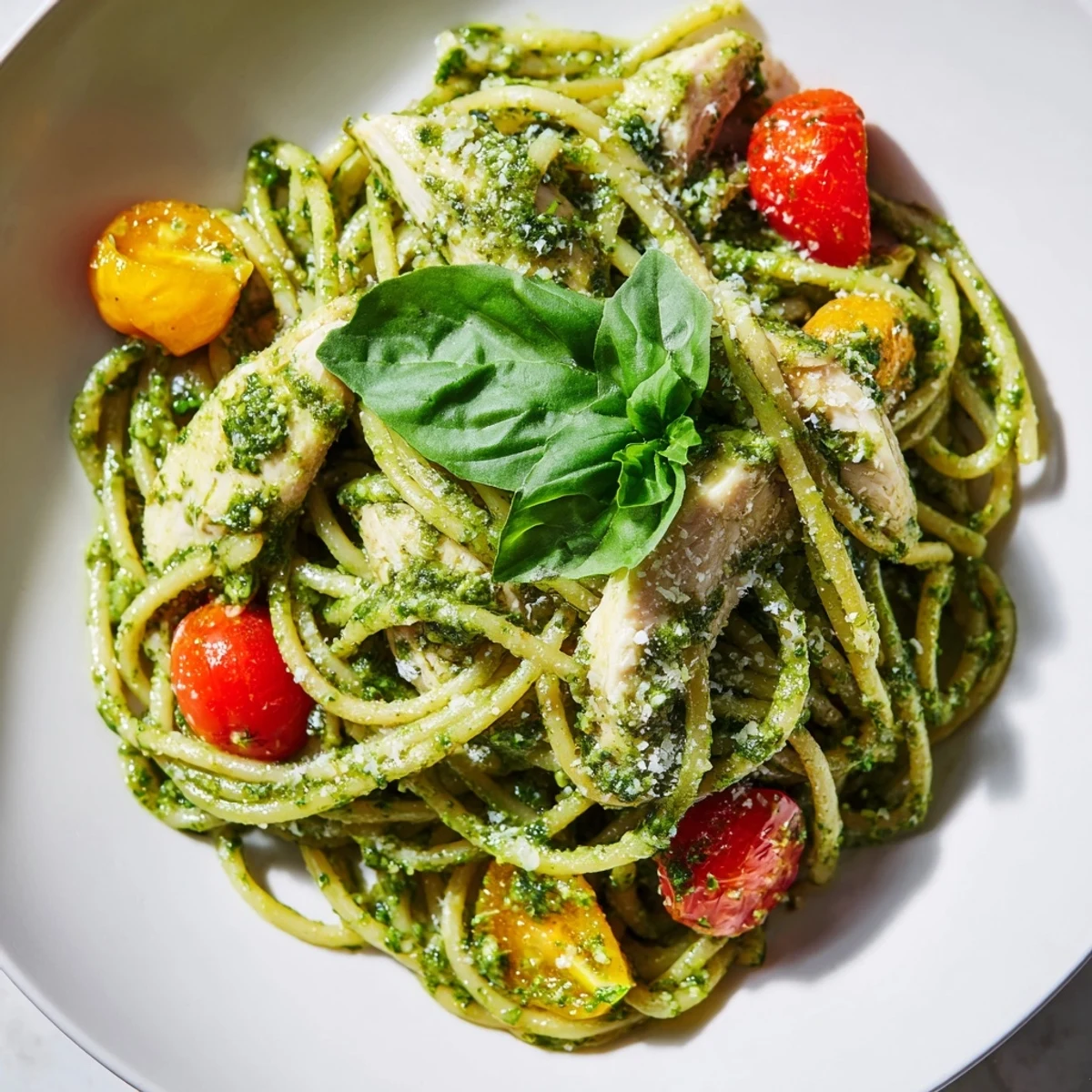
- Lower the heat, return the chicken to the pan, add the drained pasta and pesto, then splash in some of that reserved pasta water, tossing everything until the sauce coats each strand in a glossy, emulsified layer
 Pin it
 I made this for a friend who claimed she hated pesto, and she literally scraped her plate clean. She said she'd only ever had the jarred stuff that tasted like grass and chemicals, but this version changed her mind completely. Now she texts me photos every time she makes it, which might be the biggest compliment a recipe can receive.
Making It Ahead
The pesto can be made up to three days in advance and stored in an airtight container with a thin layer of olive oil on top to prevent browning. Just bring it to room temperature before using, and you might need to thin it with a little more olive oil or pasta water.
Perfecting The Texture
If your pesto feels too thick, add more olive oil a tablespoon at a time until it reaches a spoonable consistency. Conversely, if it's too thin, add more grated Parmesan or a few more nuts to help it cling to the pasta better.
Serving Suggestions
This pasta is fantastic on its own, but a simple side salad with arugula and a balsamic vinaigrette adds a nice peppery contrast. A crusty baguette for soaking up any extra sauce is never a bad idea either.
- Chill any leftovers and eat it cold the next day, the flavors meld beautifully and it makes an excellent lunch
- If you're meal prepping, store the pasta, chicken, and pesto separately, then combine just before eating
- Grilled zucchini or roasted asparagus on the side turns this into a complete veggie packed dinner
 Pin it
 There's something deeply satisfying about taking a handful of simple ingredients and transforming them into something that feels like a special occasion. This pasta reminds me that good cooking doesn't need to be complicated, it just needs a little care and attention.
Recipe FAQs
- → Can I make the pesto ahead of time?
-
Absolutely! Fresh pesto can be prepared up to 3 days in advance and stored in an airtight container in the refrigerator. For longer storage, freeze in ice cube trays and transfer to a freezer bag for up to 3 months. Just stir in a little fresh olive oil before using to restore consistency.
- → What pasta shapes work best?
-
Spaghetti and penne are excellent choices as their shapes hold the pesto sauce beautifully. Fusilli, rotini, or farfalle also work wonderfully—their nooks and crannies trap the flavorful sauce. Whole grain varieties add fiber and nutrients while maintaining great texture.
- → How can I tell when the chicken is properly cooked?
-
Cooked chicken should reach an internal temperature of 165°F (74°C). Cut into the thickest piece to check—the meat should be opaque throughout with no pink remaining, and juices should run clear. Avoid overcooking to keep the chicken tender and juicy.
- → Can I substitute the pine nuts?
-
Yes! Walnuts, almonds, cashews, or even sunflower seeds make excellent alternatives. Each brings a slightly different flavor profile—walnuts offer earthiness while cashews add creaminess. Toast the nuts lightly before blending for enhanced depth of flavor.
- → How do I prevent the pesto from turning brown?
-
The vibrant green color can oxidize and darken. To preserve the fresh hue, blanch basil leaves briefly in boiling water then plunge into ice water before processing. Adding a small amount of lemon juice also helps maintain color. Always store pesto with a thin layer of olive oil on top to minimize air exposure.
- → Is this suitable for meal prep?
-
This dish reheats beautifully! Store individual portions in airtight containers for up to 4 days. When reheating, add a splash of water or extra olive oil to refresh the sauce. For best texture, store the pasta and sauce separately if planning to keep it longer than 2 days.