
 Pin it
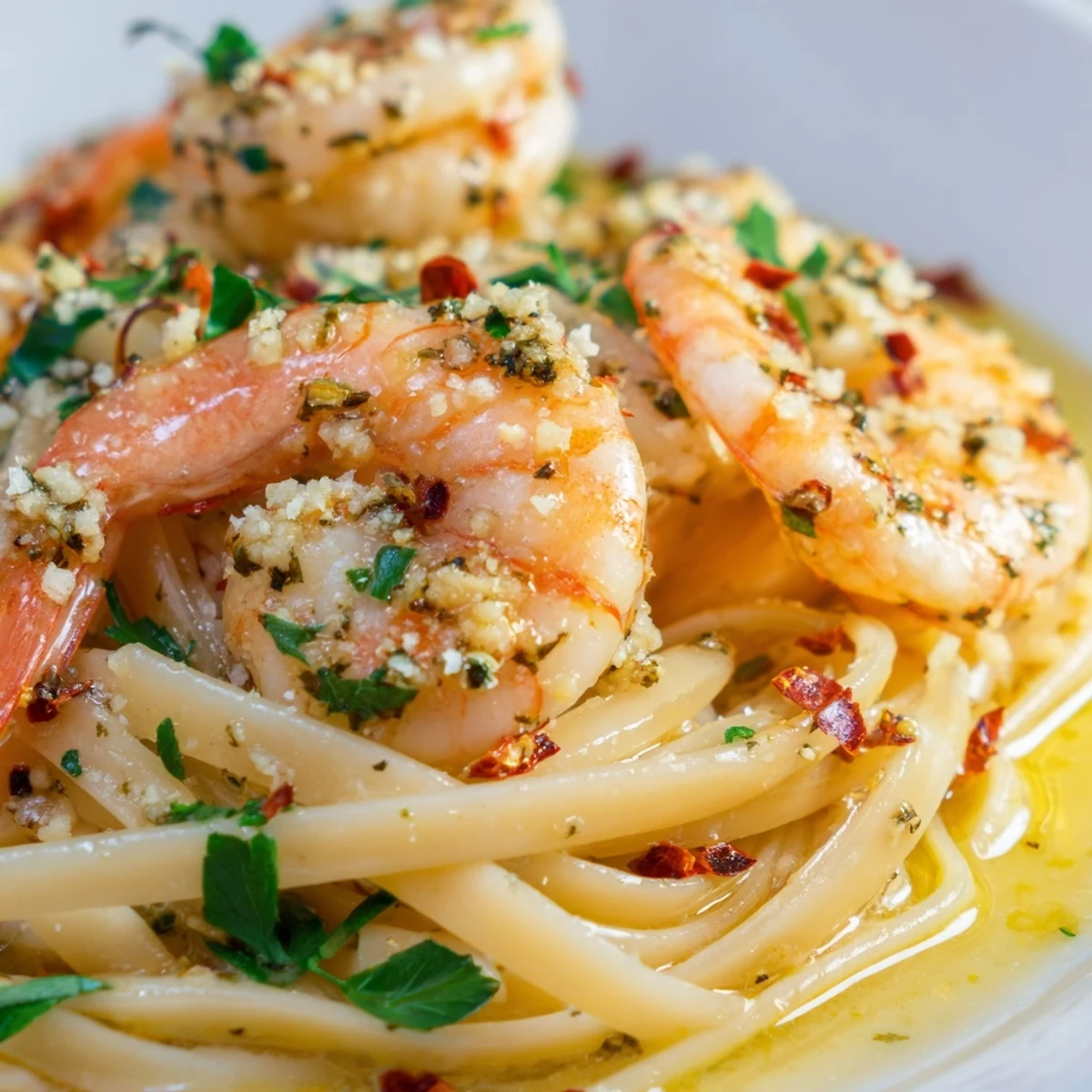
 This dish features large shrimp cooked in a bright lemon garlic butter sauce, perfectly balanced with olive oil, fresh parsley, and a hint of crushed red pepper flakes. Simmered with white wine and tossed with cooked linguine, it creates a silky coating that enhances each bite. Garnished with Parmesan and lemon wedges, it offers a flavorful and elegant meal ready in 30 minutes. Ideal for pescatarians and lovers of Italian-American cuisine seeking a quick yet vibrant dinner.
There's something magical about the moment garlic hits hot butter and the kitchen fills with that unmistakable sizzle and aroma. I discovered this dish on a Tuesday evening when I had fifteen minutes, hungry guests, and a pound of shrimp that needed rescuing from the back of my freezer. The result was so effortlessly elegant that I've made it dozens of times since, each batch tasting like I'd spent hours in the kitchen when really, I'd barely spent any time at all.
I made this for my sister during a surprise visit, and watching her twirl the linguine around her fork while the lemon hit her nose was worth every second of prep work. She asked for the recipe that same night, and now it's become our unspoken dinner when we're both exhausted but want something that tastes like we care.
Ingredients
- Large shrimp (1 lb): Look for ones that feel firm and smell briny, not fishy—pat them completely dry before cooking so they sear instead of steam and turn rubbery.
- Linguine (12 oz): The flat noodles catch the sauce better than round pasta, but honestly, any pasta in your cupboard will work beautifully.
- Unsalted butter (4 tbsp) and extra virgin olive oil (3 tbsp): The combination of both creates a sauce that tastes rich without being heavy, and the oil keeps the butter from burning.
- Fresh garlic (5 cloves): Mince it finely and watch it carefully once it hits the pan—burnt garlic turns bitter and will haunt your dish.
- Crushed red pepper flakes (1/2 tsp): Optional but worth it if you like a whisper of heat that builds as you eat.
- Lemon (zest and juice): This is where the magic lives; don't skip the zest and use a fresh lemon, not the bottled juice.
- Dry white wine or broth (1/3 cup): The wine adds sophistication and helps deglaze the pan, catching all those caramelized bits that taste like pure gold.
- Fresh parsley (1/4 cup): Chopped fresh at the end, it brightens the whole dish and makes it look like you actually know what you're doing.
- Salt and black pepper: Taste as you go and season generously; this is not the dish to be shy with seasoning.
- Parmesan and lemon wedges for serving: A shower of cheese and a squeeze of fresh lemon at the table lets everyone finish the dish exactly how they like it.
Instructions
- Set up your pasta water:
- Fill a large pot with salted water (it should taste like the sea) and bring it to a rolling boil. This is your foundation, so don't rush it.
- Cook the linguine:
- Add pasta and stir it once so it doesn't stick. Time it to finish just as your sauce is coming together, then reserve that starchy pasta water before draining—it's liquid gold for binding everything at the end.
- Prep the shrimp:
- While pasta cooks, pat each shrimp completely dry with paper towels and sprinkle with a pinch of salt and pepper. Dry shrimp are the secret to that restaurant-quality sear.
- Get the first sear going:
- Heat your large skillet over medium-high and add 2 tbsp butter plus 2 tbsp olive oil. When it's shimmering and just starting to smell nutty, lay the shrimp in a single layer and resist the urge to move them—let them develop a golden crust for 1 to 2 minutes per side, then remove to a plate.
- Build the sauce foundation:
- Lower the heat to medium, add remaining butter and oil, then add your minced garlic and red pepper flakes. Listen for that gentle sizzle and stop as soon as it smells incredible—about one minute. The moment you smell burnt garlic starting, you've gone too far.
- Deglaze and reduce:
- Pour in the wine or broth and scrape the pan with a wooden spoon to release all the caramelized shrimp bits that cling to the bottom. Let it bubble down for about two minutes so the raw wine flavor mellows out.
- Bring the shrimp home:
- Stir in the lemon juice and zest, then return the shrimp and any juices from the plate back to the skillet. Toss everything gently and warm through for just one minute—overcooking shrimp a second time will make it tough.
- Marry it all together:
- Add your drained linguine and about half the parsley to the skillet. Toss everything together, adding reserved pasta water a splash at a time until the sauce becomes silky and coats every strand. This is where the dish transforms from separate components into something unified and elegant.
- Taste and serve:
- Give it one final taste for salt and pepper, then serve immediately while everything is still warm and the steam is rising. Finish each plate with the remaining parsley, a generous handful of Parmesan if you like, and a lemon wedge for squeezing.
 Pin it
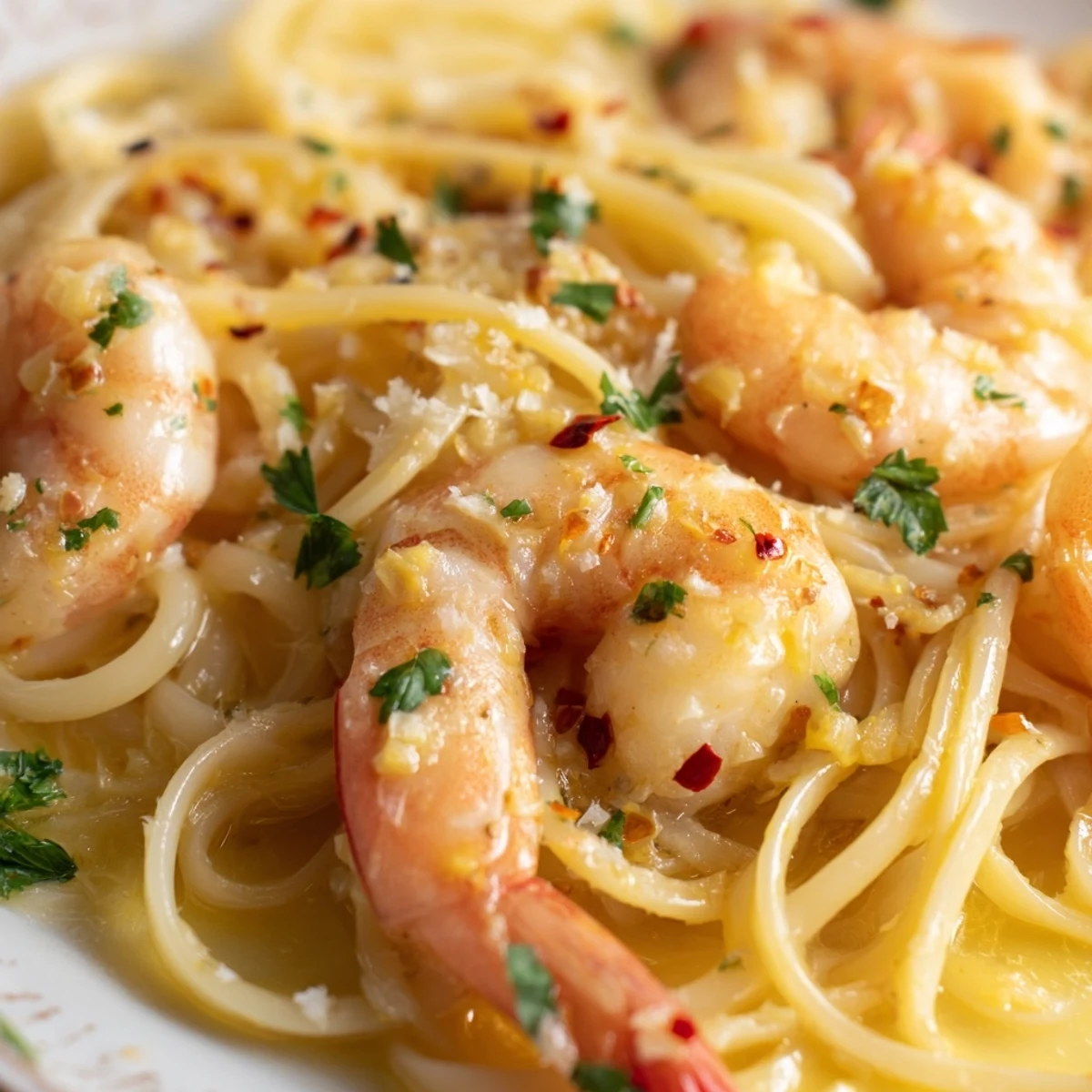
 The first time someone cleaned their plate and asked if I'd made it that morning, I realized this dish had become more than just dinner—it was proof that simplicity, when executed with attention, tastes like you've been cooking all day. That's the feeling I chase every time I make it now.
The Power of Good Butter
Unsalted butter is not a luxury here; it's actually essential because you control the salt level and taste the butter's real flavor, not its salt mask. I learned this the hard way when I used salted butter and the sauce turned unpalatably salty halfway through cooking. Since then, I've made a ritual of smelling my butter before cooking—good butter should smell slightly sweet and nutty, almost grassy.
Lemon Is Everything
The zest and juice of fresh lemon are what separate this from a generic garlic butter pasta into something that tastes bright and restaurant-quality. Bottled lemon juice tastes flat and slightly chemical, and once you taste the difference, you can't go back. I keep a microplane zester in my drawer specifically for this dish because it makes the zest fine enough to disappear into the sauce rather than leaving visible strips.
Timing and Temperature
This dish lives or dies by timing—everything cooks quickly, which is beautiful but means you need to be present and paying attention. Medium-high heat for the shrimp, then medium for the sauce, then everything coming together in one skillet within a few minutes of finishing the pasta. The first time I made this, I tried to be efficient and do too many things at once, and my shrimp ended up rubbery while my garlic burnt. Now I prep everything before I start cooking, taste constantly, and adjust as I go.
- Have your ingredients measured and prepared before you turn on any heat—mise en place is not fancy, it's survival.
- Shrimp cooks in minutes, so watch it like a hawk and don't walk away from the stove thinking you have time.
- The entire dish from pasta to plate should take no more than thirty minutes total, so keep your movements purposeful and stay focused.
 Pin it
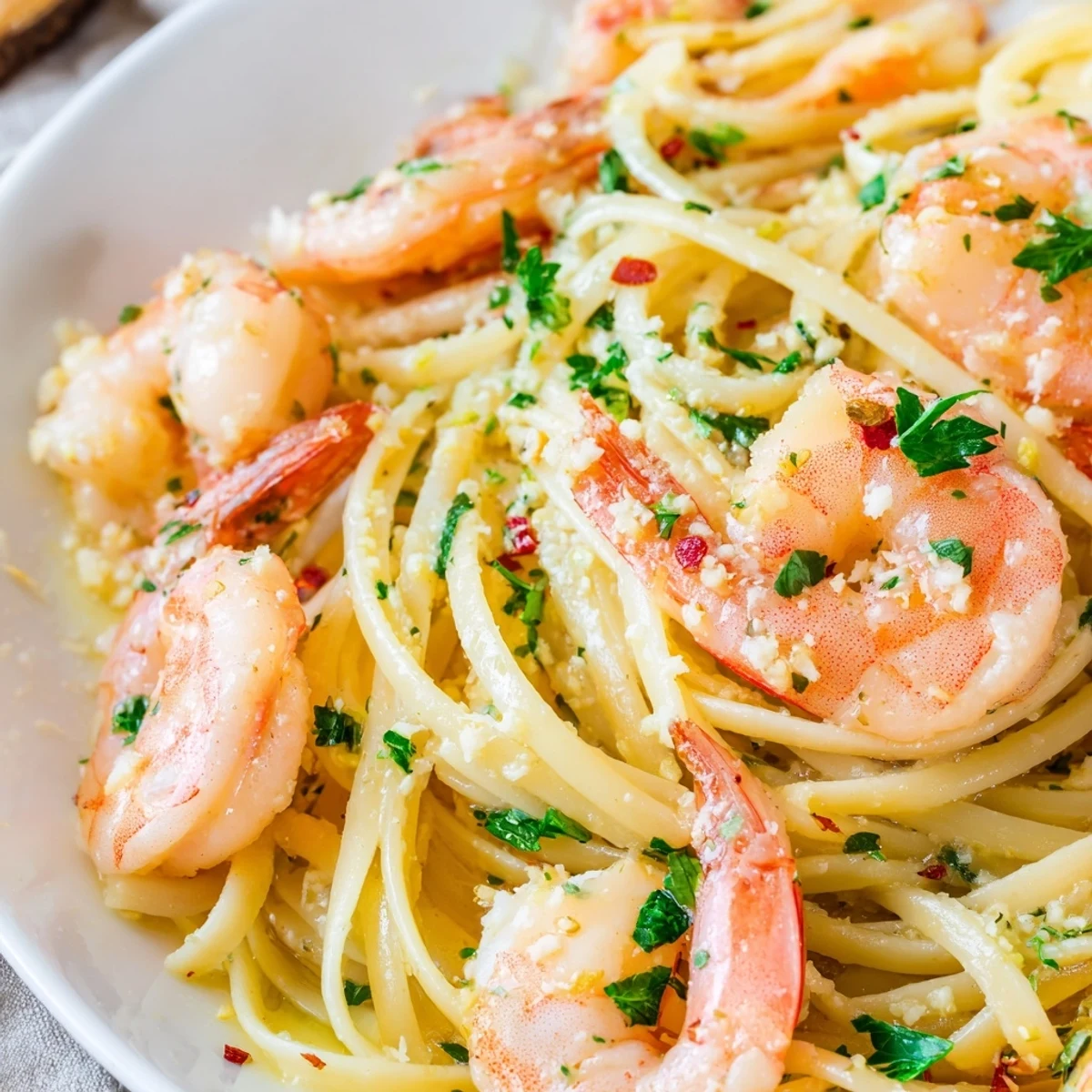
 This is the dish I make when I want to feel accomplished without the stress, when I'm cooking for people I love and want them to leave the table feeling cared for. It's become my default dinner party answer, and honestly, I wouldn't change it for anything.
Recipe FAQs
- → What type of pasta works best for this dish?
-
Linguine is traditional, but spaghetti or fettuccine can be substituted depending on preference.
- → Can I use canned or frozen shrimp?
-
Fresh or thawed shrimp gives the best texture and flavor, but properly thawed frozen shrimp can work in a pinch.
- → What wine pairs well with this dish?
-
Light white wines like Sauvignon Blanc or Pinot Grigio complement the lemon and garlic flavors beautifully.
- → How can I make the sauce creamier?
-
Adding a splash of heavy cream just after deglazing the pan enriches the sauce without overpowering its brightness.
- → Can I make this gluten-free?
-
Yes, substitute the linguine with gluten-free pasta varieties to maintain the same delicious taste and texture.