
 Pin it
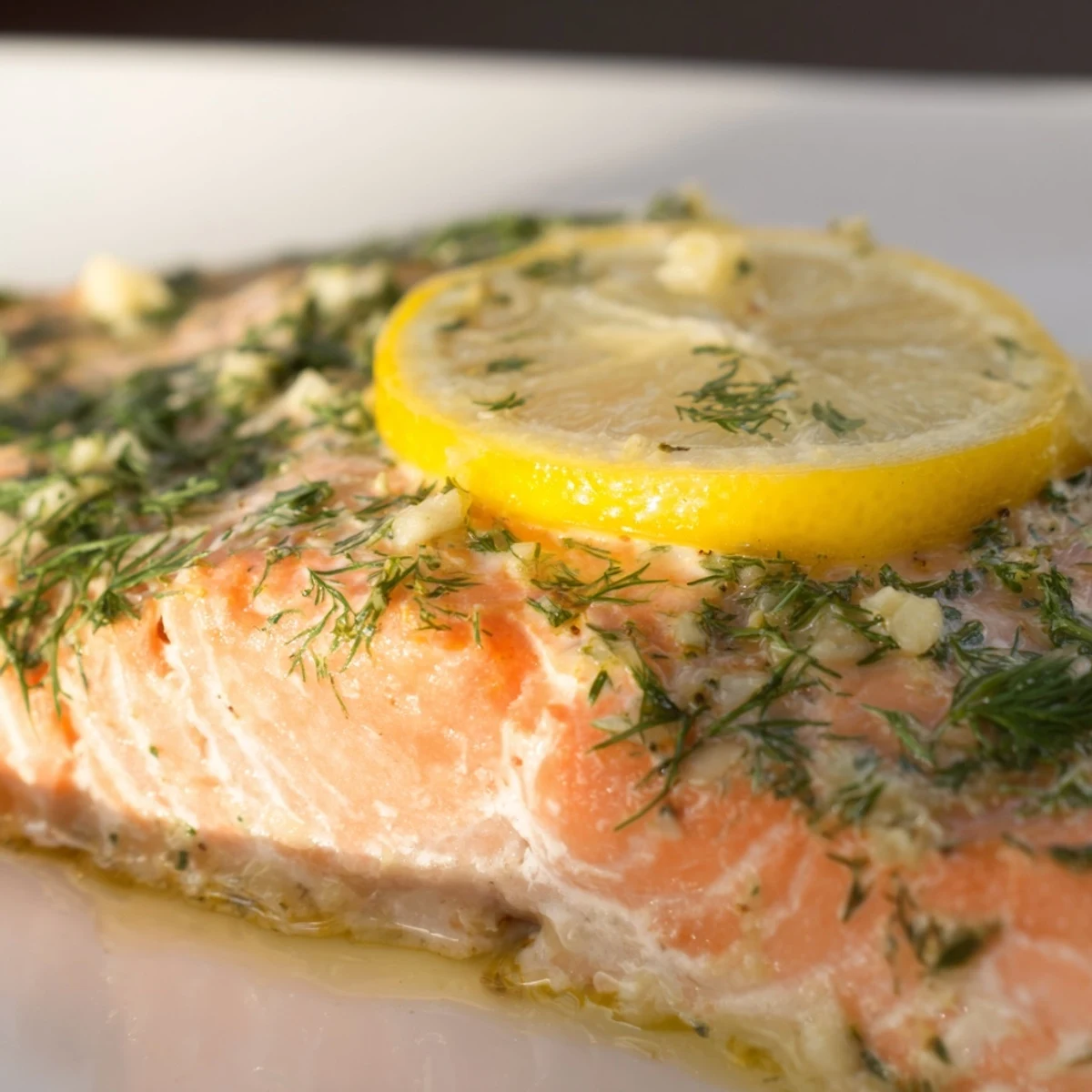
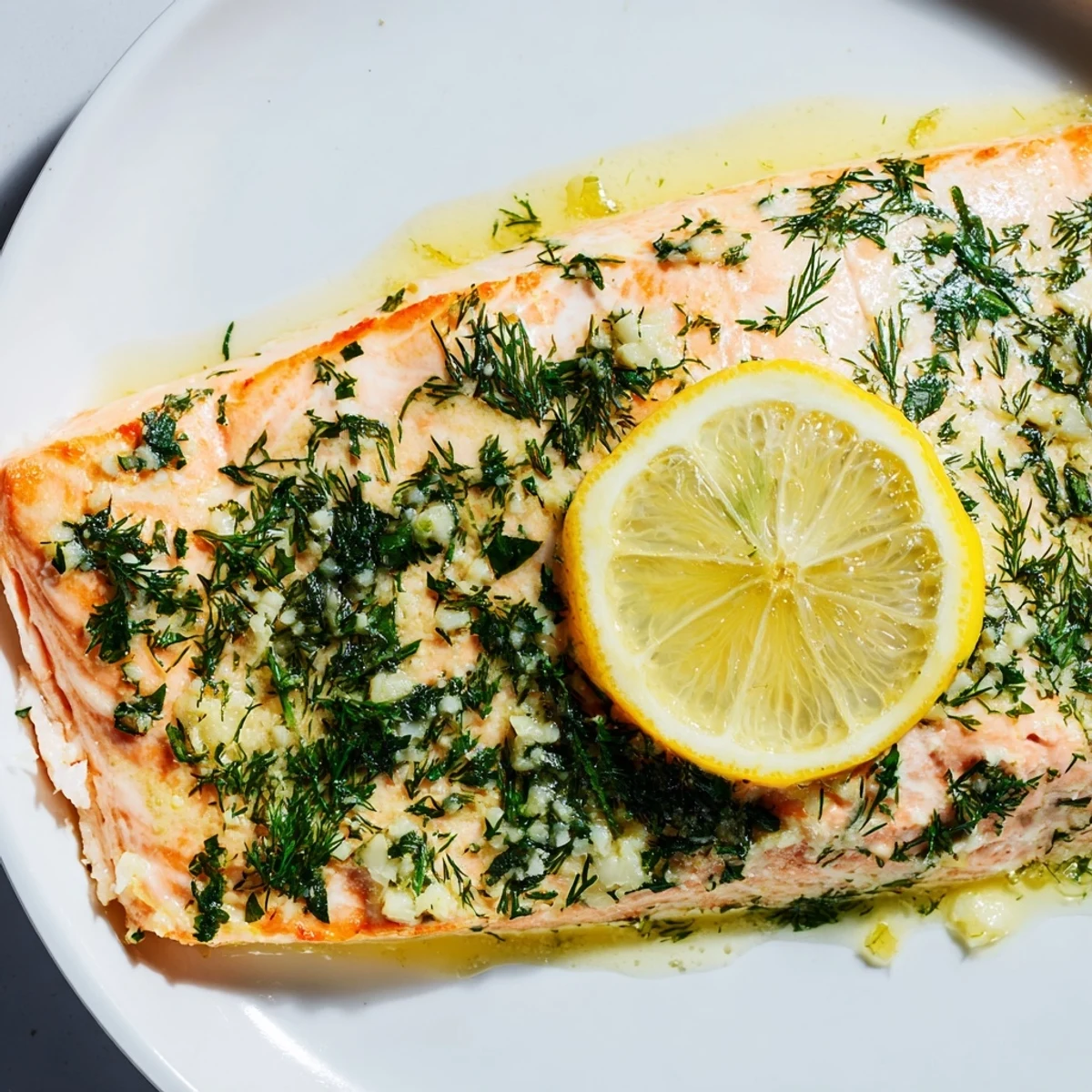
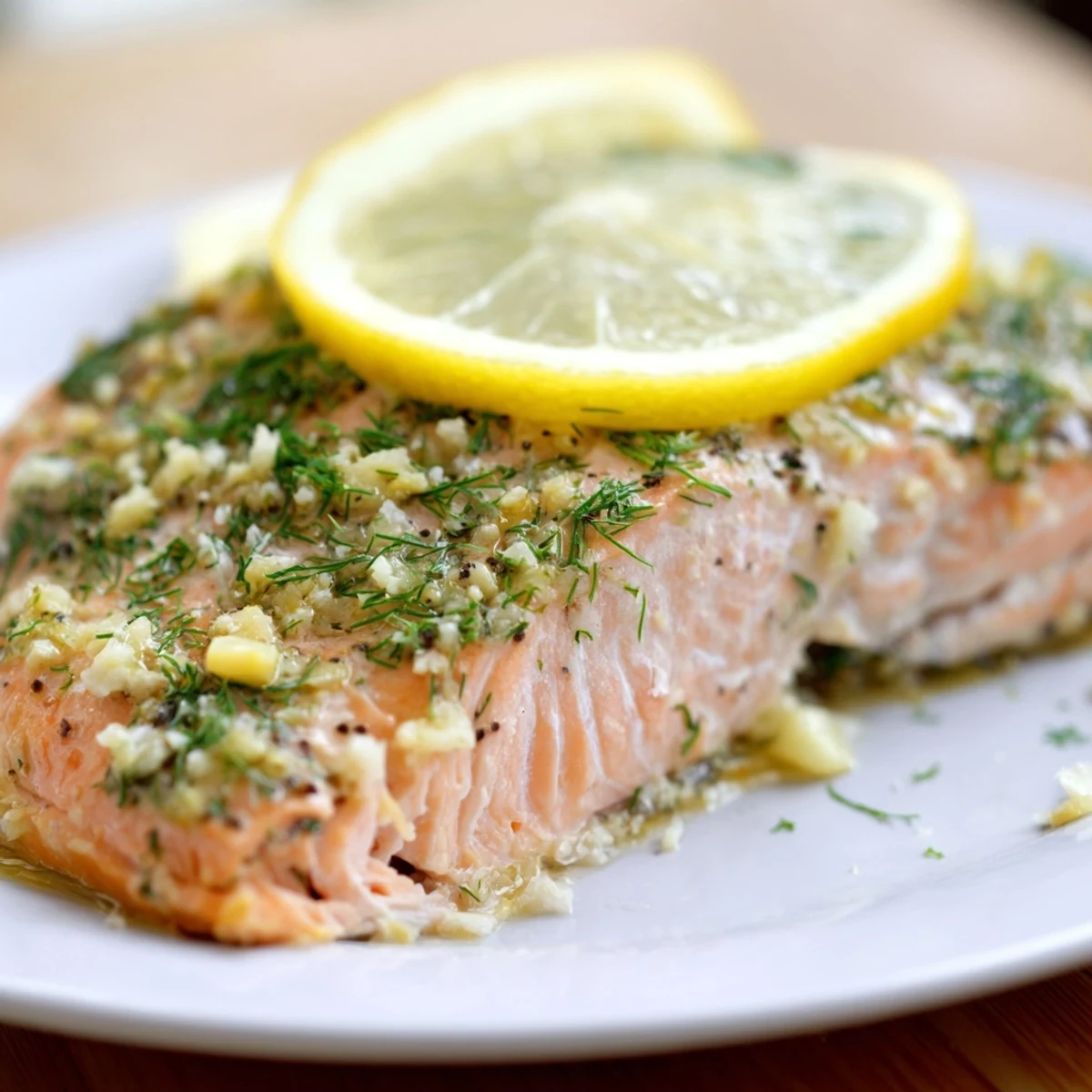
 This dish features tender salmon fillets brushed with a bright mix of olive oil, lemon juice, zest, minced garlic, and fresh dill. Baked until flaky and garnished with lemon slices and extra dill, it delivers refreshing citrus and herb-infused flavors. Perfect for a nutritious, easy-to-prepare main course, it pairs well with steamed asparagus or a crisp green salad.
There's something about opening the oven door to find salmon baked perfectly golden with lemon slices still bright on top that just makes everything feel right. I discovered this recipe during a weeknight when I needed something that tasted restaurant-quality but wouldn't keep me in the kitchen all evening. The combination of fresh dill and lemon is so simple, yet it transforms ordinary salmon into something that feels genuinely special. Now I make it whenever I want to feel like I'm taking care of myself without the fuss.
I remember making this for friends who claimed they didn't really cook fish at home because they were always scared of messing it up. When they tasted this salmon and realized how straightforward it was, something shifted—suddenly they were asking for the recipe, talking about making it for their own families. That's when I knew this wasn't just a recipe I liked; it was something worth sharing.
Ingredients
- Salmon fillets (4, about 170g each): Look for fillets that feel firm to the touch and have a slightly glossy appearance; skin-on keeps the fish moist, but skinless works just fine if that's your preference.
- Olive oil (2 tablespoons): This carries all the flavors right into the fish, so use something you wouldn't be embarrassed to taste on its own.
- Fresh lemon juice and zest (2 tablespoons juice, 2 teaspoons zest): Fresh lemons make a noticeable difference here—bottled juice tastes tinny by comparison, and the zest adds brightness that dried lemon never achieves.
- Fresh dill weed (2 tablespoons chopped, or 2 teaspoons dried): If you can find fresh dill, grab it; dried dill works in a pinch but tastes slightly more muted and herbaceous.
- Garlic cloves (2, minced): Minced small so it distributes evenly and cooks through without turning bitter.
- Sea salt and black pepper (1 teaspoon salt, 1/2 teaspoon pepper): Season generously but taste as you go—you can always add more, but you can't take it out.
- Lemon slices (4) and fresh dill sprigs: These finish the dish visually and release their aroma right as you take it from the oven.
Instructions
- Prepare your space:
- Preheat the oven to 200°C (400°F) and line your baking sheet with parchment paper—this prevents sticking and makes cleanup genuinely easy. Getting this done first means you're never scrambling when the salmon is ready to go in.
- Dry the salmon:
- Pat each fillet dry with paper towels and lay them skin-side down on the sheet. Dry fish means the exterior will develop a gentle firmness while the inside stays tender.
- Mix your flavor base:
- Combine olive oil, lemon juice, zest, dill, garlic, salt, and pepper in a small bowl, stirring until everything is incorporated. The oil carries the flavors throughout the fish as it bakes.
- Coat the salmon:
- Brush or spoon the mixture evenly over each fillet, making sure the garlic and dill are distributed so no bite is bland. Don't be shy—this is where all the magic lives.
- Top with lemon:
- Place a lemon slice on each fillet. These aren't just for looks; they'll soften slightly and release juice that keeps everything moist.
- Bake until just done:
- Bake for 15-18 minutes until the fish flakes easily with a fork and the center is just opaque. The moment it stops looking translucent in the very middle is exactly when to stop—a minute more and it can turn dry.
- Finish and serve:
- Remove from the oven, scatter extra dill sprigs on top if you like the look, and serve immediately while it's still warm. The residual heat will keep cooking it slightly, so don't wait around.
 Pin it
 I'll never forget the first time someone told me they'd made this recipe three times in one month, which is how I knew it had become a real part of their kitchen rotation rather than just a one-off thing. There's something deeply satisfying about being the person who gives someone a recipe that actually sticks.
Why This Combination Works
Salmon and lemon are paired so often in cooking because the acidity cuts through the richness of the fish in the most elegant way, and dill is one of the few herbs that doesn't compete—it just amplifies that brightness. The garlic adds a whisper of savory depth that makes you taste all the other flavors more intensely. When you bake everything together, the flavors marry instead of remaining separate, which is the whole point of this dish.
What To Serve Alongside
This salmon is lean enough that it begs for something on the plate with it, whether that's roasted vegetables, steamed asparagus, or a simple green salad dressed with olive oil and a squeeze of lemon. Some nights I add roasted potatoes because the contrast between the buttery fish and something starchy feels right. If you want to get a little fancier, a dollop of Greek yogurt mixed with extra lemon juice and fresh dill on the side turns it into something restaurant-level without any additional cooking.
Making It Your Own
The skeleton of this recipe is flexible enough that you can swap in flavors you actually love without losing what makes it work. Parsley or tarragon are both excellent if dill isn't speaking to you, and a tiny pinch of paprika or red pepper flakes adds warmth without overpowering. The core technique—drying the fish, flavoring it simply, and baking it just until done—that's the part that makes everything else possible.
- Try a splash of white wine mixed into the lemon oil for extra depth and a slightly more sophisticated feel.
- A few capers or a sprinkle of toasted breadcrumbs on top add texture and interest if you're in the mood for something less minimalist.
- This recipe doubles or triples seamlessly if you're feeding a crowd, and the timing doesn't change much.
 Pin it
 This is the kind of recipe that teaches you something every time you make it—not because it's complicated, but because it's simple enough to actually pay attention. That's the real gift of cooking something this straightforward.
Recipe FAQs
- → What type of salmon works best for baking?
-
Both skin-on and skinless fillets work well. Skin-on helps retain moisture and adds texture.
- → Can I use dried dill instead of fresh?
-
Yes, dried dill can substitute fresh, but use less to avoid overpowering the flavors.
- → How can I tell when the salmon is done?
-
The salmon flakes easily with a fork and becomes opaque in the center when fully cooked.
- → What sides complement this salmon dish?
-
Roasted vegetables, steamed asparagus, or a light green salad make excellent accompaniments.
- → Is it possible to add creaminess to this preparation?
-
Yes, a dollop of Greek yogurt mixed with lemon juice and dill enhances creaminess and flavor.