
 Pin it
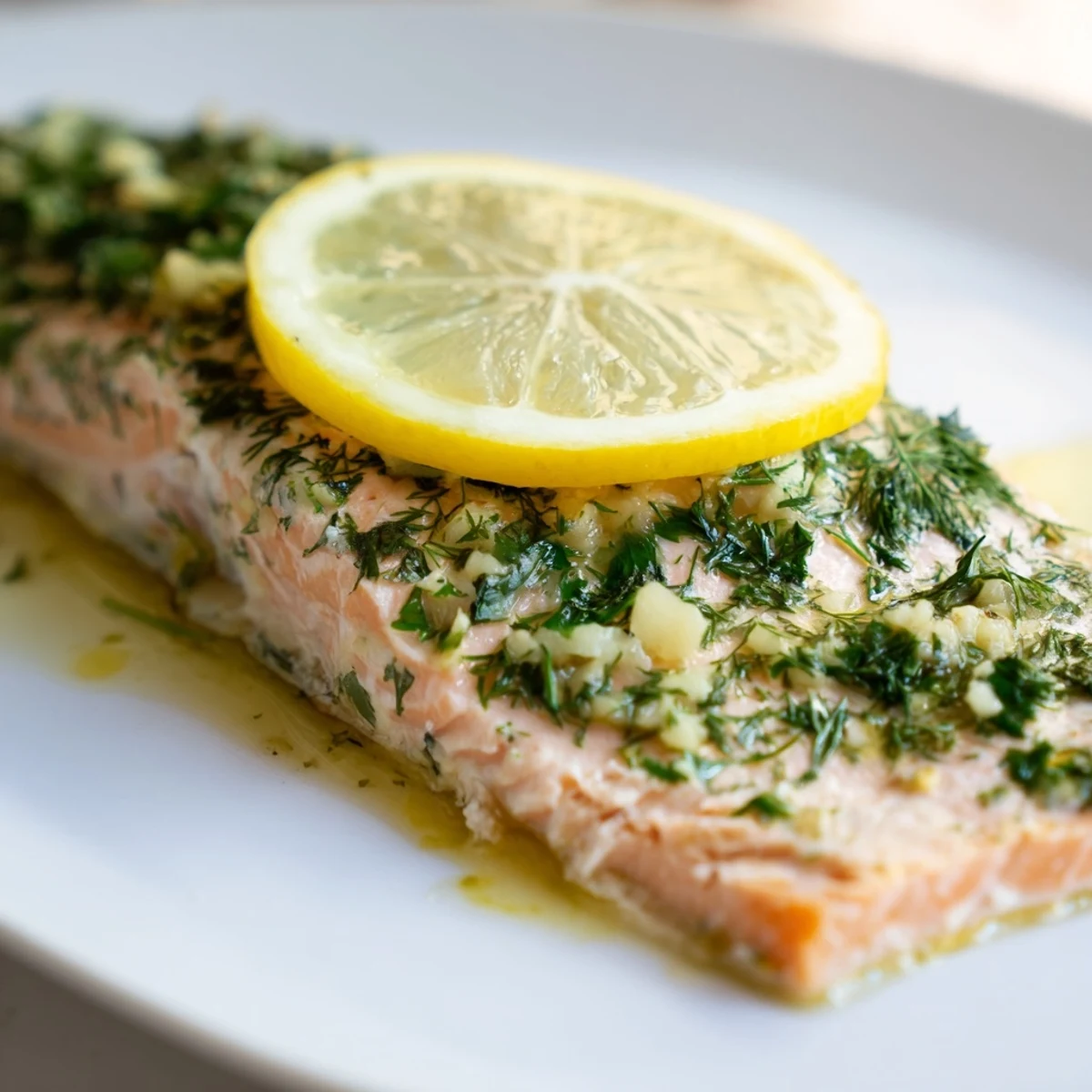
 This dish features salmon fillets baked with a blend of olive oil, garlic, and fresh herbs such as parsley, dill, and chives. Thin lemon slices and juice add a bright, zesty note that enhances the fish’s natural flavor. Baking at 200°C (400°F) for 16-20 minutes ensures moist, flaky salmon with a delicate herbal aroma. Serve garnished with extra herbs and lemon wedges for a refreshing finish. This approach offers a quick, nutritious option perfect for weeknight dinners.
There's something about the smell of lemon and fresh herbs hitting hot salmon that instantly takes me back to a summer evening when my neighbor brought over her fresh dill from the garden—we threw together whatever we had in the kitchen and ended up with this. It was so simple, so clean, and somehow tasted like we'd spent hours cooking when really we had maybe fifteen minutes of actual work. Now it's become my go-to when I want something that feels special but doesn't demand any real fuss.
I made this for my parents last spring when they visited, and my dad—who claims he doesn't really like fish—went back for seconds. The combination of lemon juice, fresh herbs, and just enough olive oil seemed to unlock something he didn't know he was missing. Since then it's become the dish I make when I want to impress someone without actually trying that hard.
Ingredients
- 4 salmon fillets (about 150 g each): Look for fillets with bright color and a gentle smell of the ocean—pale or fishy-smelling salmon won't give you the clean, fresh taste this dish needs.
- 2 tablespoons olive oil: Use something you actually like tasting, because it matters here—the oil carries all those herb flavors directly onto the fish.
- 2 cloves garlic, minced: Don't use a garlic press if you can help it; a knife gives you better texture and releases the oils more gently.
- 1 tablespoon fresh parsley, chopped: The grounding herb that makes everything taste brighter without stealing the spotlight.
- 1 tablespoon fresh dill, chopped: This is the personality of the dish—it has that specific anise-like note that makes salmon sing.
- 1 tablespoon fresh chives, chopped: A gentler onion flavor that lingers on the back of your palate.
- 1 lemon, thinly sliced: The thin slices become almost translucent as they roast, infusing the whole fillet with brightness.
- Juice of 1 lemon: Fresh squeezed always, never bottled—this is where half the flavor comes from.
- 1 teaspoon sea salt: Sea salt granules sit on top of the salmon and give you little bursts of salinity.
- ½ teaspoon freshly ground black pepper: Grind it yourself right before you cook; pre-ground loses its bite within weeks.
Instructions
- Set your oven to warm:
- Preheat to 200°C (400°F) and line your baking tray with parchment paper—this keeps cleanup easy and prevents sticking. If you don't have parchment, a light coat of oil on the tray works just fine.
- Arrange the salmon:
- Place fillets skin side down, giving each one a little breathing room so the heat can circulate. If you're nervous about the skin sticking, that's actually a good thing—it keeps the flesh tender.
- Build the herb mixture:
- In a small bowl, whisk together the olive oil, minced garlic, parsley, dill, chives, lemon juice, salt, and pepper until it becomes a fragrant paste. You want the texture rough and rustic, not perfectly smooth.
- Coat the fillets:
- Spoon the herb mixture evenly over each salmon fillet, using your fingers to gently press it into the surface so it sticks during cooking. Don't be shy with it.
- Add the lemon:
- Lay a few thin lemon slices on top of each fillet like little roasted shields that will keep the fish moist and add brightness as they cook down.
- Bake until just cooked:
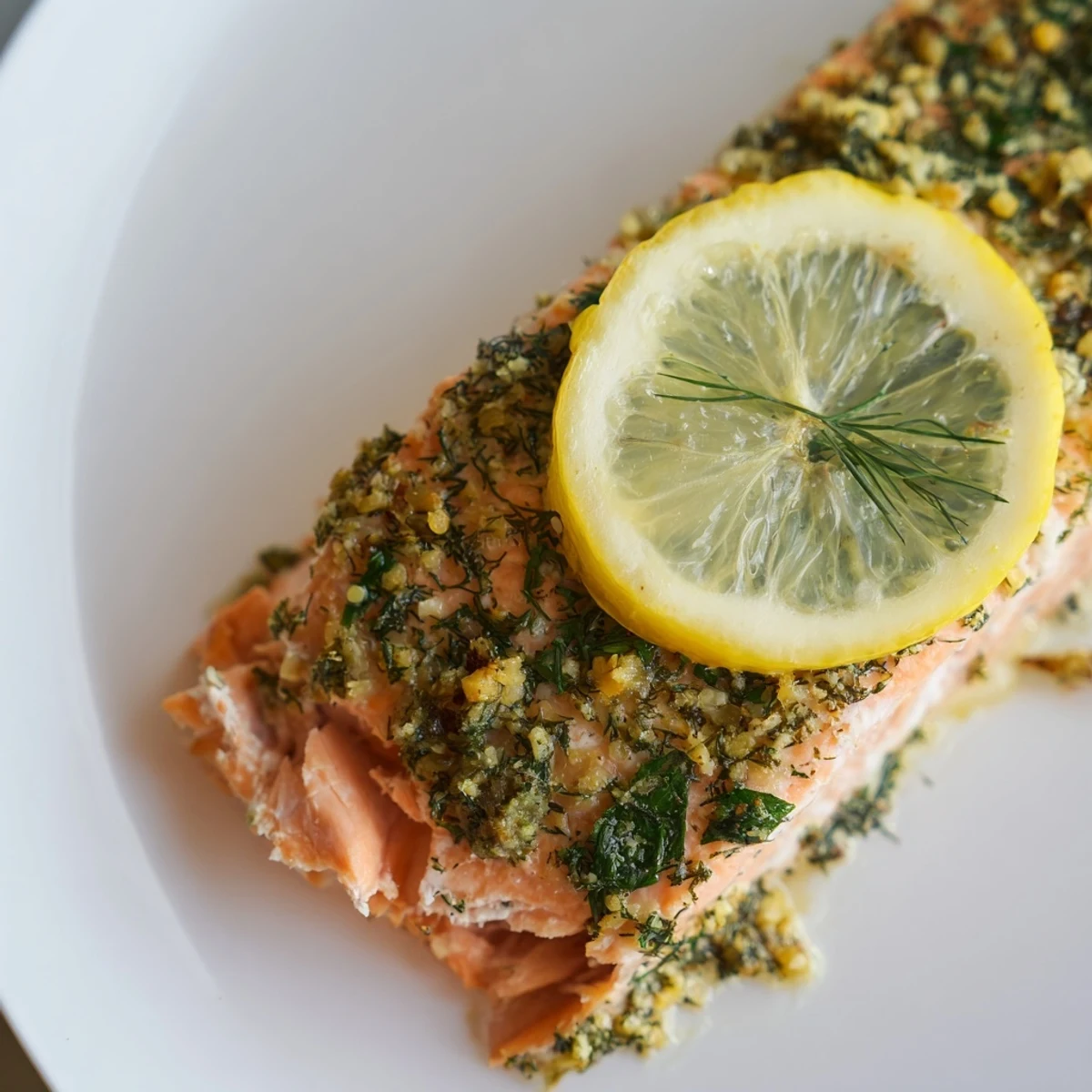
- Slide into the oven for 16 to 20 minutes, checking after 15 by gently pressing the thickest part—if it flakes easily and looks opaque, you're done. The moment you pull it from the oven is the moment it's perfect; any longer and it dries out.
- Finish and serve:
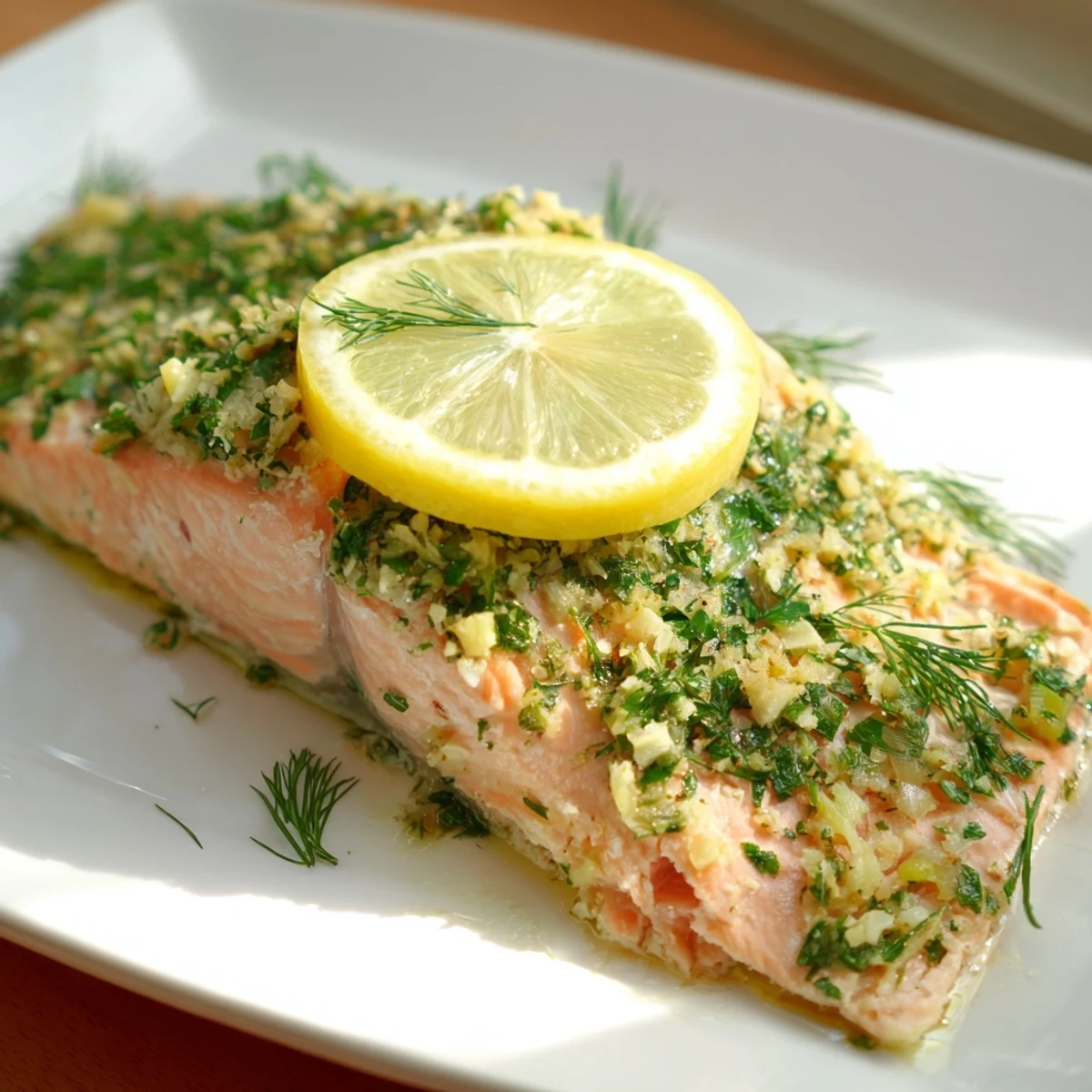
- Add a scatter of fresh herbs and lemon wedges right before bringing it to the table, so everything still has that fresh-from-the-garden feeling.
 Pin it
 The thing about this recipe is that it taught me you don't need complicated cooking to make someone feel cared for—the simplicity is actually the whole point. There's something vulnerable about serving people fresh, unadulterated fish with nothing between them and the flavor except herbs and lemon.
The Secret of Properly Cooked Salmon
The biggest mistake I see people make is cooking salmon until it's completely firm, which drains it of its natural oils and leaves you with something that feels dry no matter how much sauce you add. Salmon should look barely opaque in the very center when you pull it from the oven—it will continue to cook gently from carryover heat for another minute or two, giving you that perfect tender, flaky texture. Once you nail this timing, every piece comes out restaurant-quality with almost no effort.
Why Fresh Herbs Really Matter Here
I learned this the hard way the winter I tried making this with dried herbs while camping in a cabin—it tasted like you were eating an old spice cabinet. Fresh herbs have volatile oils that matter; dried herbs have been sitting around losing their flavor, and you can taste the difference immediately. If you have access to any garden or even a windowsill pot of dill, this is the time to use it.
Serving and Pairing Ideas
This salmon is simple enough that it pairs with almost anything, but it truly shines alongside something light and bright rather than heavy. Roasted vegetables like asparagus or green beans pick up the herb notes, while a simple salad lets the fish be the star of the meal. A glass of crisp white wine—think Sauvignon Blanc or Pinot Grigio—cuts right through the richness and tastes like summer even in the middle of winter.
- Roasted vegetables keep the meal feeling fresh and spring-like without overshadowing the salmon itself.
- Serve it with steamed rice or simple boiled potatoes if you want something grounding on the plate.
- A crisp green salad with lemon vinaigrette doubles down on the brightness rather than fighting against it.
 Pin it
 This is the kind of recipe that gets better the more you make it, because you stop worrying about following instructions and start learning what your own oven does, how you like your salmon cooked, and which herbs speak to you. That's when cooking stops being a task and becomes something you actually look forward to.
Recipe FAQs
- → How do I know when the salmon is perfectly cooked?
-
The salmon is done when it flakes easily with a fork and turns opaque in the center. Baking for 16-20 minutes at 200°C usually achieves this.
- → Can I prepare the salmon in advance?
-
Yes, marinate the salmon in the herb mixture for up to 30 minutes before baking to enhance its flavor.
- → What herbs work well besides parsley, dill, and chives?
-
Try substituting with tarragon or basil for a different, aromatic herb profile to complement the salmon.
- → What side dishes pair well with this baked salmon?
-
Roasted vegetables, steamed rice, or a crisp green salad are excellent options to accompany this dish.
- → What type of wine complements this salmon preparation?
-
A dry white wine like Sauvignon Blanc pairs beautifully with the citrus and herb flavors in the baked salmon.