
 Pin it
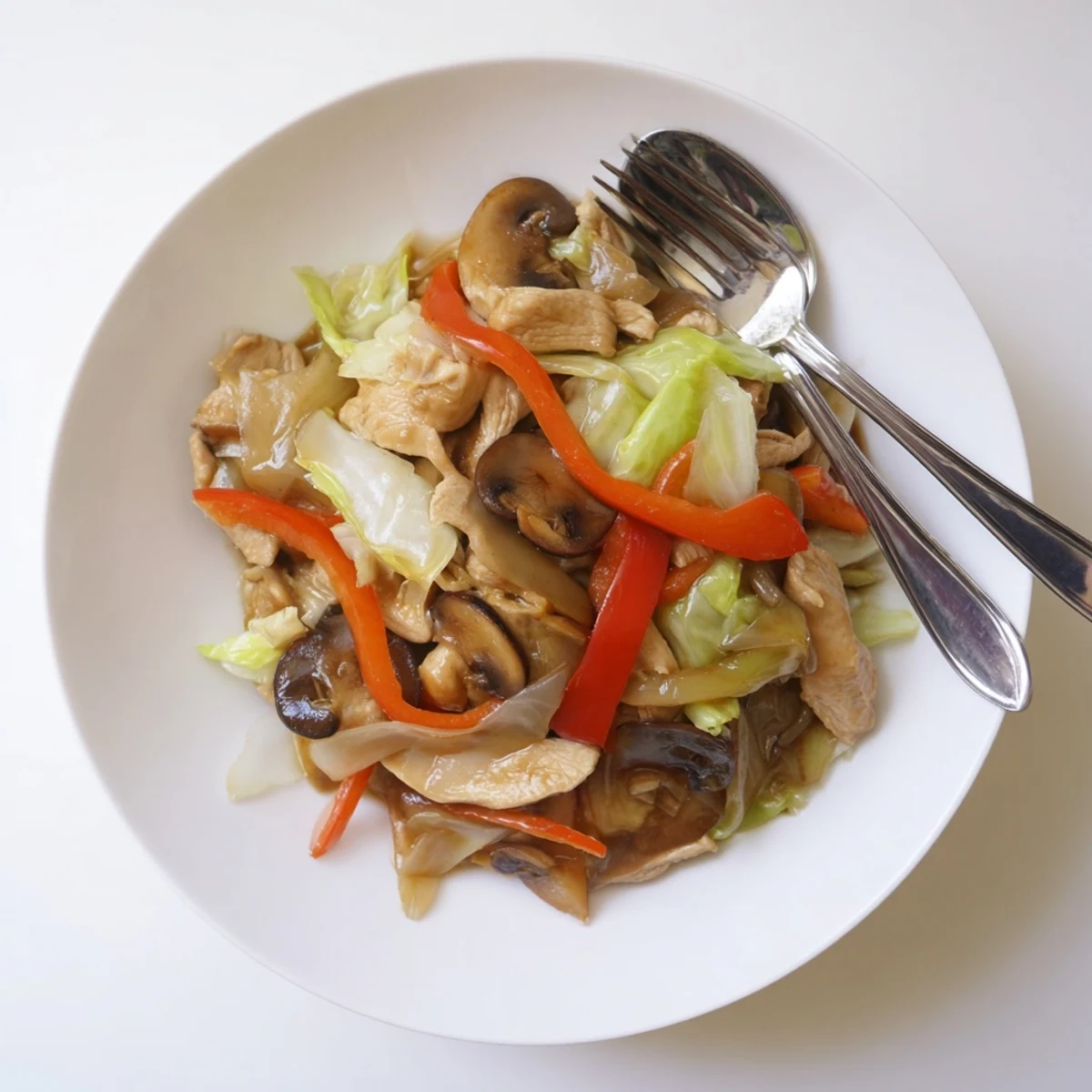
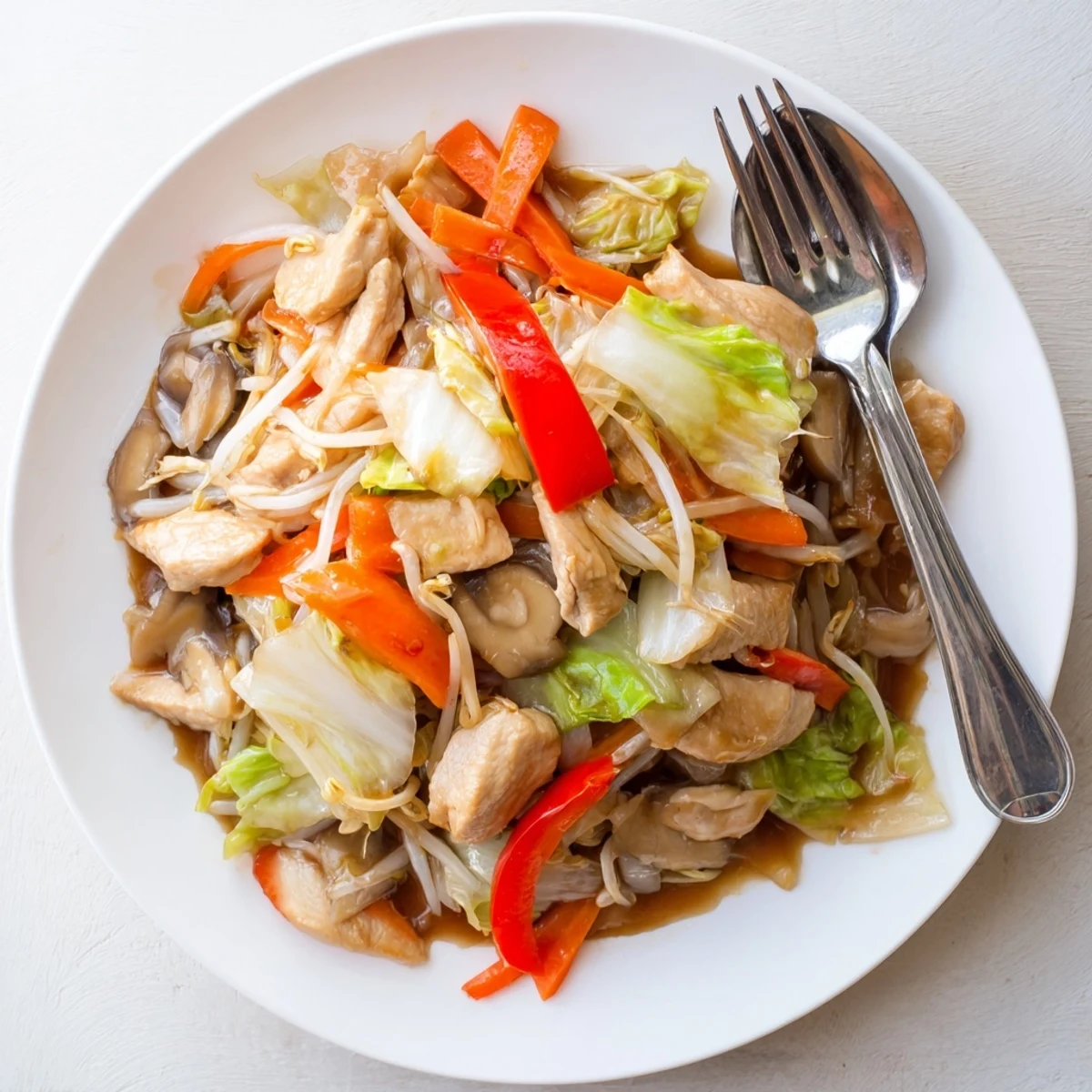
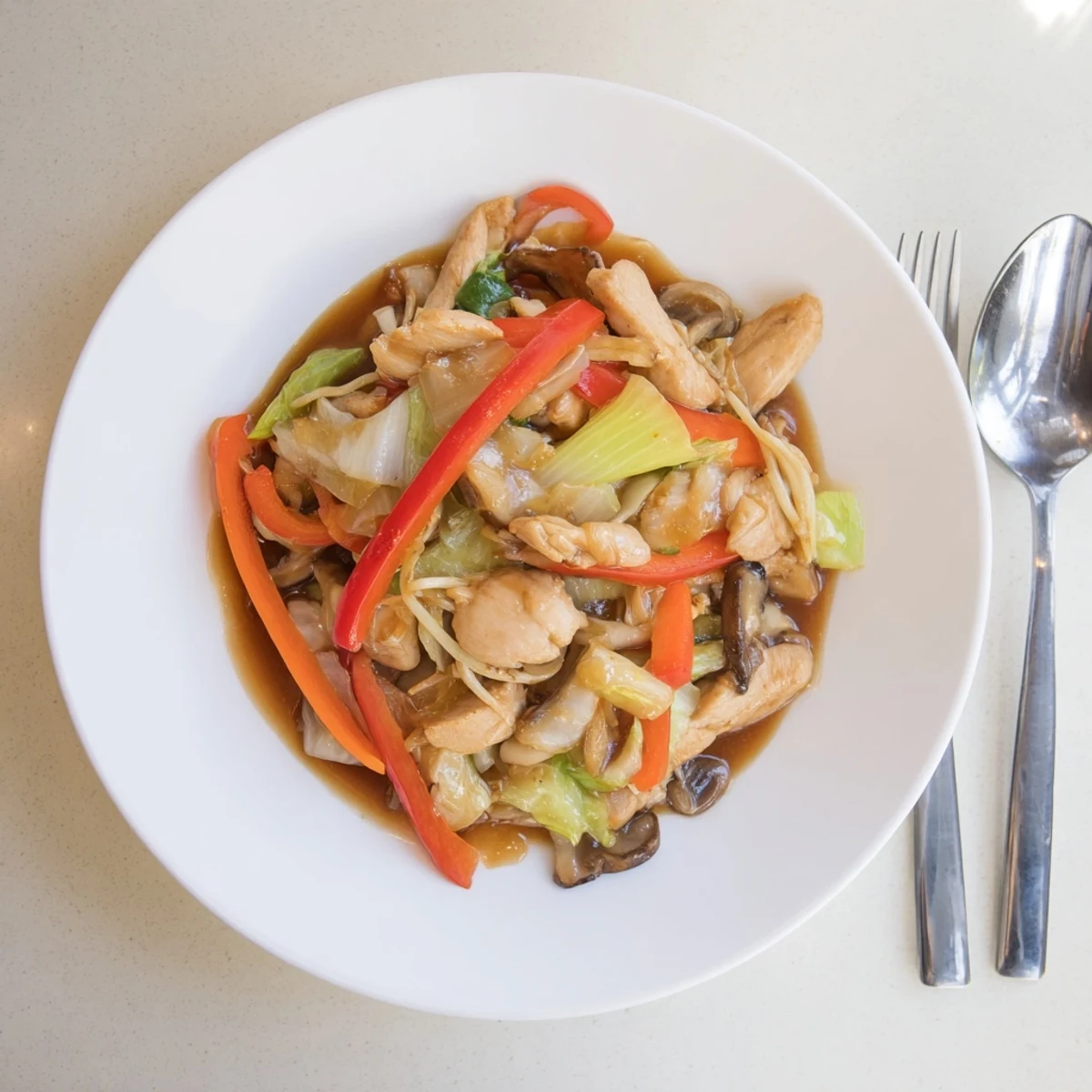
 This colorful Chinese-American classic brings together tender slices of chicken or pork with an array of crisp vegetables including bell peppers, bean sprouts, napa cabbage, celery, and mushrooms. The savory sauce perfectly balances soy, oyster sauce, and sesame oil, coating each ingredient in glossy goodness. Ready in just 35 minutes from start to finish, this versatile dish works beautifully with steamed jasmine rice or chow mein noodles for a complete meal that satisfies the whole family.
The first time I attempted Chop Suey in my tiny apartment kitchen, I accidentally set off the smoke detector while trying to get my wok hot enough. My neighbor knocked to make sure everything was okay, and I ended up sharing a slightly charred but delicious batch with her in the hallway. That awkward dinner taught me that perfect stir-fry technique is overrated—sometimes the best meals come from enthusiastic mistakes and generous portions of vegetables.
Last Tuesday, I came home exhausted and staring down a fridge full of random vegetables that needed using. I threw together this Chop Suey with whatever I had on hand—some leftover chicken, a lonely bell pepper, and bean sprouts from a weekend stir-fry experiment. My roommate wandered in, took one whiff of the ginger and garlic hitting the hot oil, and immediately asked if there was enough to share. There was, and now it's become our go-to busy weeknight dinner.
Ingredients
- 300 g boneless chicken breast or pork: Slice it thin and against the grain for tender bites that cook quickly
- 1 medium onion and 1 red bell pepper: These provide the classic sweet crunch and beautiful color contrast
- 1 cup bean sprouts and 1 cup napa cabbage: Bean sprouts add that signature texture while cabbage brings sweetness and bulk
- 2 celery stalks and 1 medium carrot: The backbone vegetables that give every stir-fry its familiar crunch
- 100 g mushrooms: Button mushrooms work perfectly but shiitake adds deeper umami flavor if you can find them
- 2 garlic cloves and 1 teaspoon fresh ginger: Grate the ginger rather than mincing it for better distribution of flavor
- 3 tablespoons soy sauce and 1 tablespoon oyster sauce: The salty-sweet foundation that makes everything taste complete
- 1 tablespoon cornstarch: This little bit creates that glossy restaurant-style sauce coating
- 1 tablespoon rice wine or dry sherry: Adds depth and complexity that you will miss if you skip it
- 150 ml chicken or vegetable broth: Homemade is best but store-bought works absolutely fine
Instructions
- Make the sauce first:
- Whisk together soy sauce, oyster sauce, cornstarch, rice wine, sesame oil, and broth until completely smooth and set it within easy reach
- Cook your protein:
- Heat half the oil in a large wok over medium-high heat and stir-fry the seasoned meat for 3–4 minutes until just cooked through, then remove it from the pan
- Build your flavor base:
- Add the remaining oil and sauté the garlic and ginger for 30 seconds until you can smell them throughout your kitchen
- Add the harder vegetables:
- Toss in onions, carrots, celery, and bell pepper, stir-frying for 2–3 minutes until they start to soften and smell sweet
- Softer vegetables next:
- Stir in mushrooms and cabbage for another 2 minutes, watching them wilt and release their moisture into the pan
- Bring everything together:
- Return the cooked meat to the pan, pour in your prepared sauce, and toss until everything is evenly coated and glossy
- The finishing touch:
- Add bean sprouts last and stir-fry for 1–2 minutes until heated through and the sauce has thickened enough to coat the back of a spoon
 Pin it
 My grandmother used to make Chop Suey on Sunday nights when the refrigerator was full of odds and ends from the week's cooking. She never measured anything, somehow knowing exactly how much soy sauce to add by the color of the dish. I have tried for years to replicate her intuitive style, and this recipe gets me closer than any other attempt.
Making It Your Own
The beauty of Chop Suey lies in its flexibility—I have made versions with shrimp, beef, and even just loads of extra vegetables when I was cooking for my vegetarian sister. The sauce stays the same, but the protein can be whatever you have or prefer. Water chestnuts or bamboo shoots add that authentic restaurant crunch if you can find them at your local market.
Perfecting Your Stir-Fry Technique
Keep everything moving once the heat is on, and do not be afraid of high flames—that is where the wok hei, that smoky, complex flavor, comes from. I learned the hard way that prep work matters more than the cooking itself because once you start stir-frying, you will not have time to chop anything else. Have all ingredients cut and the sauce made before you turn on the stove.
Serving Suggestions
Steamed jasmine rice is traditional and soaks up that savory sauce beautifully, but chow mein noodles work wonderfully if you want more texture. A crisp white wine like Sauvignon Blanc cuts through the richness and complements the Asian flavors without overpowering them. Leftovers reheat surprisingly well in the microwave the next day for lunch.
- Cook your rice before you start the stir-fry so everything is ready at the same time
- Serve immediately while the vegetables still have some crunch
- Keep extra soy sauce on the table for those who like it saltier
 Pin it
 There is something deeply satisfying about a dish that comes together so quickly and tastes like it took hours to perfect. I hope this becomes one of those recipes you turn to again and again, adjusting and making it completely your own.
Recipe FAQs
- → What makes chop suey different from other stir-fries?
-
Chop suey features a unique combination of bean sprouts, napa cabbage, and a thickened savory sauce that creates a glossy coating. The vegetable medley and sauce consistency distinguish it from other stir-fry variations.
- → Can I make this vegetarian?
-
Absolutely. Substitute firm tofu for the meat and use vegetarian oyster sauce or mushroom sauce instead of traditional oyster sauce. The cooking method remains the same.
- → What vegetables work best in chop suey?
-
Classic options include bean sprouts for crunch, napa cabbage for sweetness, bell peppers for color, celery for texture, and mushrooms for umami. You can also add water chestnuts or bamboo shoots.
- → How do I prevent the sauce from becoming too thick?
-
The cornstarch in the sauce naturally thickens as it heats. If it becomes too thick, simply add a splash more broth or water while stir-frying to reach your desired consistency.
- → What should I serve with chop suey?
-
Steamed jasmine rice is the traditional pairing, but chow mein noodles work wonderfully too. The dish also complements crisp white wines like Sauvignon Blanc.