
 Pin it
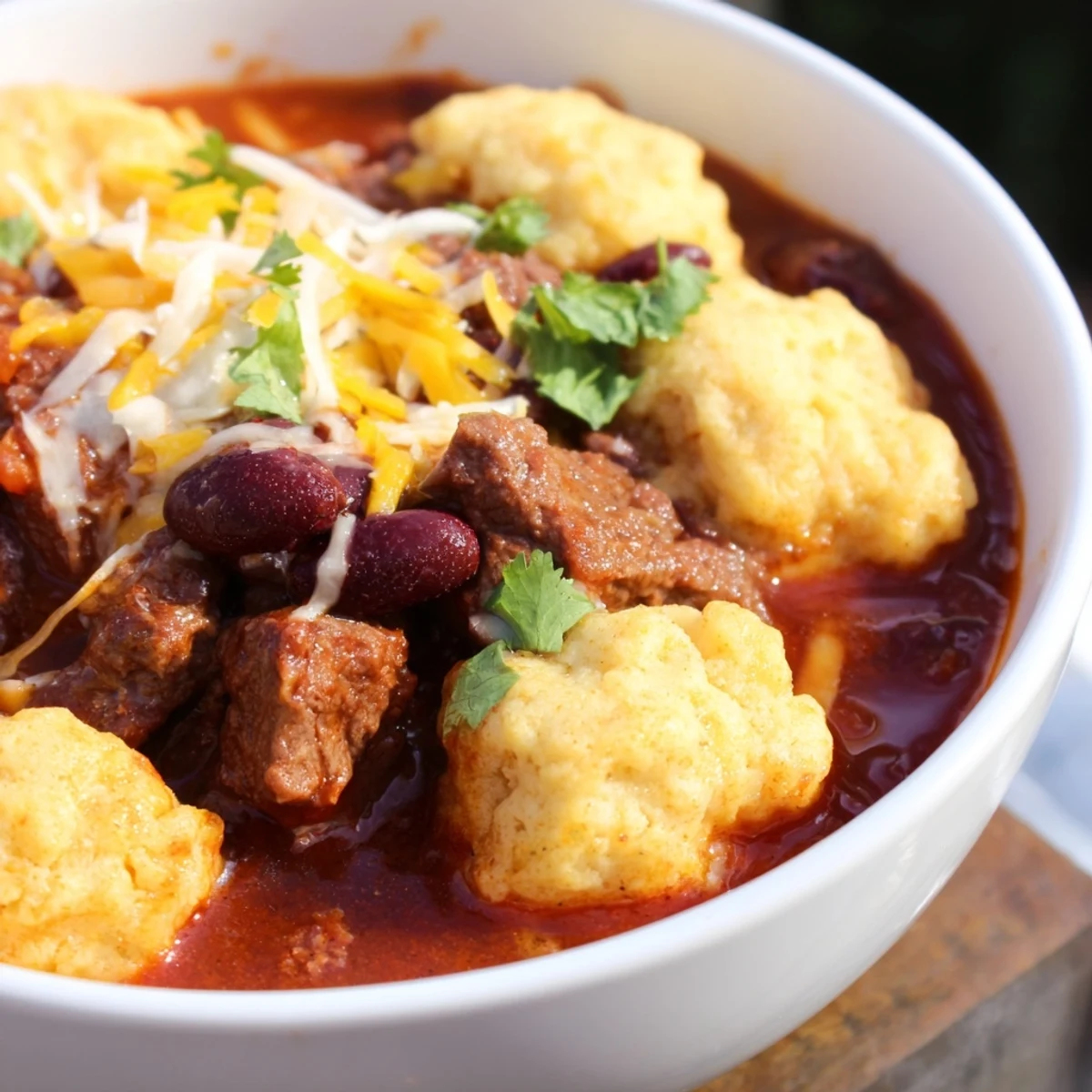
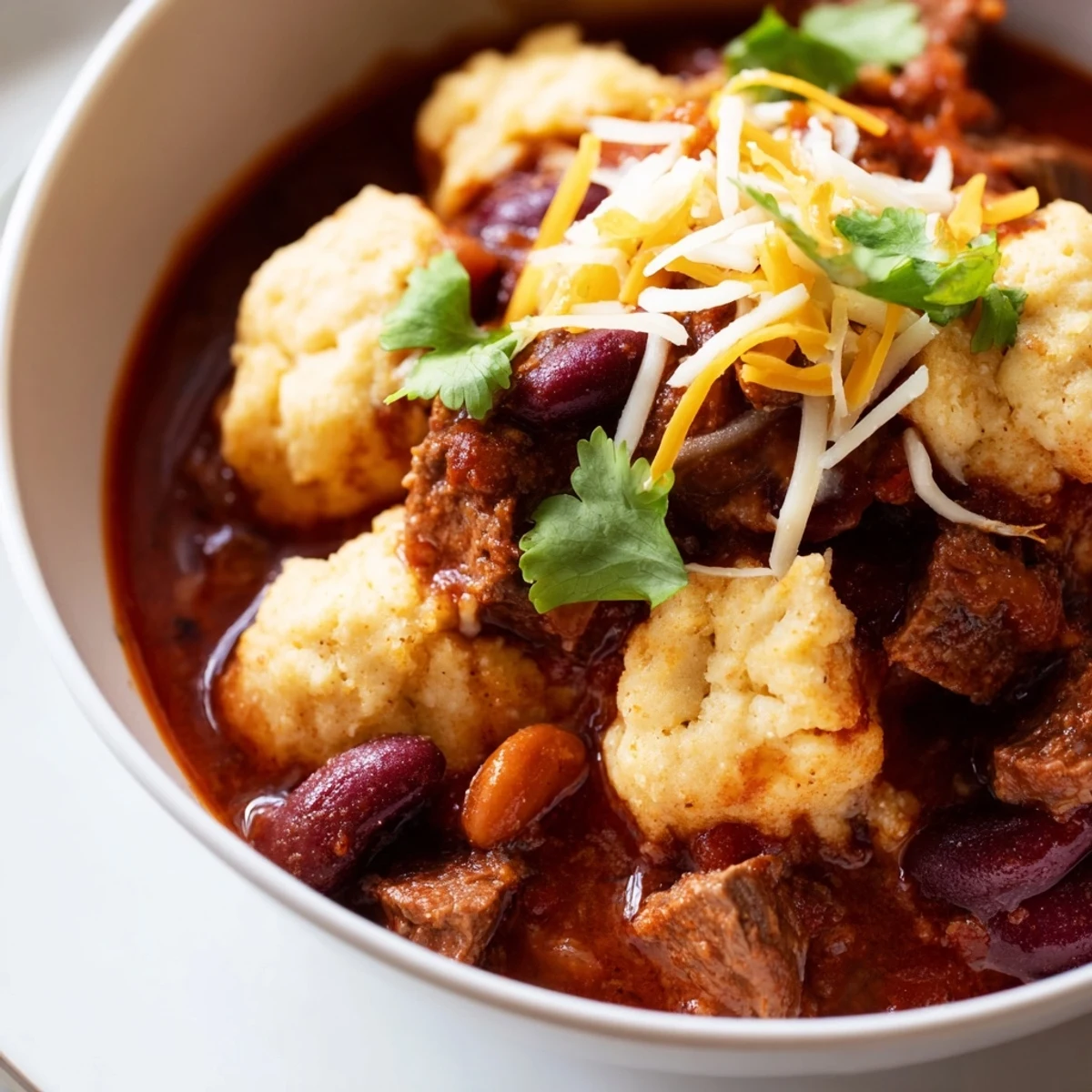
 This dish combines tender chunks of beef with aromatic spices, simmered slowly to create a rich, flavorful base. Fluffy cornbread dumplings are gently cooked atop the simmering mixture, adding a golden, soft texture. Perfect for cozy nights or family meals, this one-pot comfort dish balances savory depth with a light, slightly sweet topping. Customizable spice levels and ingredient swaps make it versatile and inviting.
There's something about the first cold snap of autumn that makes me crave a pot of chili, and one particular Saturday, my friend Marcus showed up at my door with two pounds of beef chuck and asked if I could make something warming. I'd never attempted cornbread dumplings before, but they sounded like the kind of thing that would make the meal feel less like dinner and more like a hug in a bowl. Hours later, when those golden dumplings floated to the top of the rich, spiced broth, I understood why this combination had become a quiet favorite in our house.
I made this for my family during a particularly gray November, when everyone seemed tired and scattered. Watching my younger brother ask for seconds, then thirds, watching my mom tear a dumpling in half to taste the contrast between the crispy bottom and fluffy center—that's when I realized this recipe had become something I'd make again and again, without thinking twice.
Ingredients
- Olive oil: Use a good-quality one; it carries flavor into the beef from the very first sear.
- Beef chuck, cubed: Don't skip cutting it yourself—you'll get better, more tender pieces than pre-cut beef.
- Onion and garlic: The aromatic foundation that softens and melds into the broth over time.
- Bell peppers (red and green): They add sweetness and brightness that balances the deeper spices.
- Tomato paste: A small amount concentrated in the pot creates umami depth that canned tomatoes alone can't achieve.
- Crushed tomatoes: The body of your chili; they break down into a silky sauce.
- Kidney and black beans: Texture and protein that make each spoonful satisfying.
- Ground cumin, smoked paprika, chili powder: This trio creates warmth without aggression; the smoked paprika is the secret that makes people ask what's different about your chili.
- Cayenne pepper: Optional, but a whisper of it elevates the finish.
- Dried oregano: Adds a subtle herbal note that ties everything together.
- Beef broth and brown sugar: The broth keeps everything tender while the sugar rounds out the spices and mellows any sharpness.
- All-purpose flour and cornmeal: The dumplings need both for the right texture—flour gives structure, cornmeal gives character.
- Baking powder and baking soda: They work together to create dumplings that are light and puffy, not dense.
- Egg and buttermilk: The buttermilk adds tang and tenderness; the egg binds everything together.
- Unsalted butter, melted: It makes the dumplings golden and rich, and keeps them moist as they sit in the chili.
Instructions
- Sear the beef until it's mahogany brown:
- Heat your oil until it shimmers, then add the beef in batches so you're not crowding the pot. Listen for the sizzle, smell the caramelization happening—that's flavor building. You'll know it's done when each piece has a dark, crusty exterior.
- Build the aromatic base:
- Once the beef is out, the pot isn't empty; it's full of fond. Add your onions to that hot surface and let them soften and turn translucent, about four minutes. The aromatics that come next—garlic and peppers—will cling to those caramelized bits.
- Toast the tomato paste for a minute:
- This small step concentrates the paste and removes any raw taste. You'll notice the color deepens and the smell becomes richer almost immediately.
- Combine everything and let it simmer low and slow:
- Once all the ingredients are in, the pot becomes a slow, gentle bubble. This is where time does the work—the beef becomes tender, the spices settle into the broth, and the flavors marry. Stir occasionally, but mostly just let it be.
- Prepare your dumpling batter while the chili cooks:
- Whisk your dry ingredients together first, then combine your wet ingredients separately. When you fold them together, do it gently—overmixing toughens the dumplings and creates little tunnels instead of a tender crumb.
- Float the dumplings on the surface and cover:
- Drop them by the tablespoon across the chili, spacing them so they have room to rise. The steam trapped under the lid is what puffs them up and cooks them through in about twenty minutes.
 Pin it
 Years later, I still think about a dinner where my neighbor knocked on the door because she smelled the chili and couldn't help herself. We ended up feeding six people that night instead of four, and somehow there was enough—stretching the broth with a little extra beef stock, crowding more dumplings on top. That's when a recipe becomes something bigger than just instructions; it becomes the kind of thing people smell on you.
Spice Balance and Heat
The beauty of this chili is how the spices layer without overwhelming. The cumin is grounding, the smoked paprika adds a whisper of smokiness without heat, and the chili powder brings warmth that builds slowly. If you're sensitive to heat, leave out the cayenne entirely—you'll still have a deeply flavored chili. If you want more fire, add it gradually while tasting, because once it's in, you can't take it out. I learned this the hard way when I thought more cayenne meant more flavor, and ended up with a pot my brother wouldn't touch.
The Art of Tender Beef
Beef chuck is underrated; it's fatty enough to stay tender during long cooking, and those marbled bits dissolve into the broth and create a richness you can't fake. The key is cutting it into roughly equal pieces so everything cooks at the same rate—no bites where some chunks are tender and others are still chewy. Don't use lean beef; it will dry out. And patience matters: rushing the simmer to finish faster defeats the purpose. The longer it goes, within reason, the more the flavors marry together.
Cornbread Dumplings: The Secret Weapon
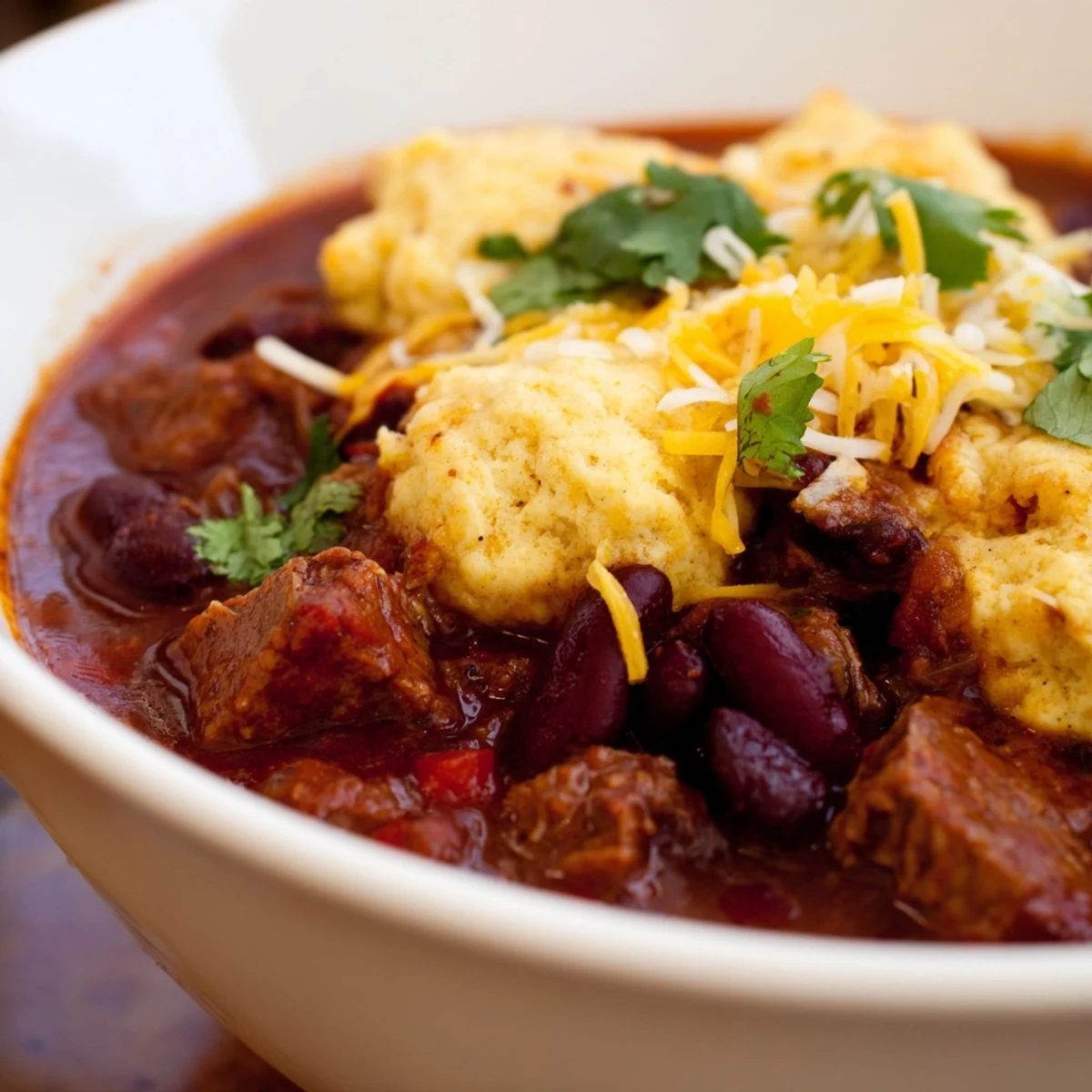
These dumplings are not an afterthought; they're the reason people come back to this chili. The cornmeal gives them a subtle sweetness and a slightly grainy texture that's different from ordinary dumplings, while the buttermilk keeps them tender. The trick is touching the batter as little as possible—fold in the wet ingredients with a few turns of your spatula, leaving small lumps of flour visible. That's not laziness; that's technique. Those little lumps cook into tender pockets in the final dumpling.
- Drop them by the tablespoon so they're roughly the same size and cook evenly.
- The chili needs to be at a gentle simmer, not a rolling boil, or the dumplings will fall apart.
- They're done when they've puffed and a toothpick inserted in the center comes out clean.
 Pin it
 This is the kind of meal that makes people feel cared for without you having to say a word. Serve it in wide bowls so the dumplings have room to shine, and let everyone add their own garnishes—cilantro, jalapeños, cheese, sour cream. It's even better the next day.
Recipe FAQs
- → How do I achieve tender beef in this chili?
-
Simmering the cubed beef gently over low heat allows the meat to break down and become tender while soaking up the flavorful spices.
- → What gives the dumplings their fluffy texture?
-
The combination of baking powder, baking soda, and buttermilk creates a light, airy batter that puffs up when steamed over the chili.
- → Can I adjust the spice level?
-
Yes, increase or decrease chili powder and cayenne pepper to match your preferred heat intensity without altering the dish's balance.
- → Is it possible to make this gluten-free?
-
Substitute the all-purpose flour in the dumplings with a gluten-free flour blend to accommodate dietary needs.
- → What are good accompaniments for this meal?
-
This hearty dish pairs well with robust red wine, cold lager, or fresh garnishes like cilantro, jalapeños, and shredded cheese.