
 Pin it
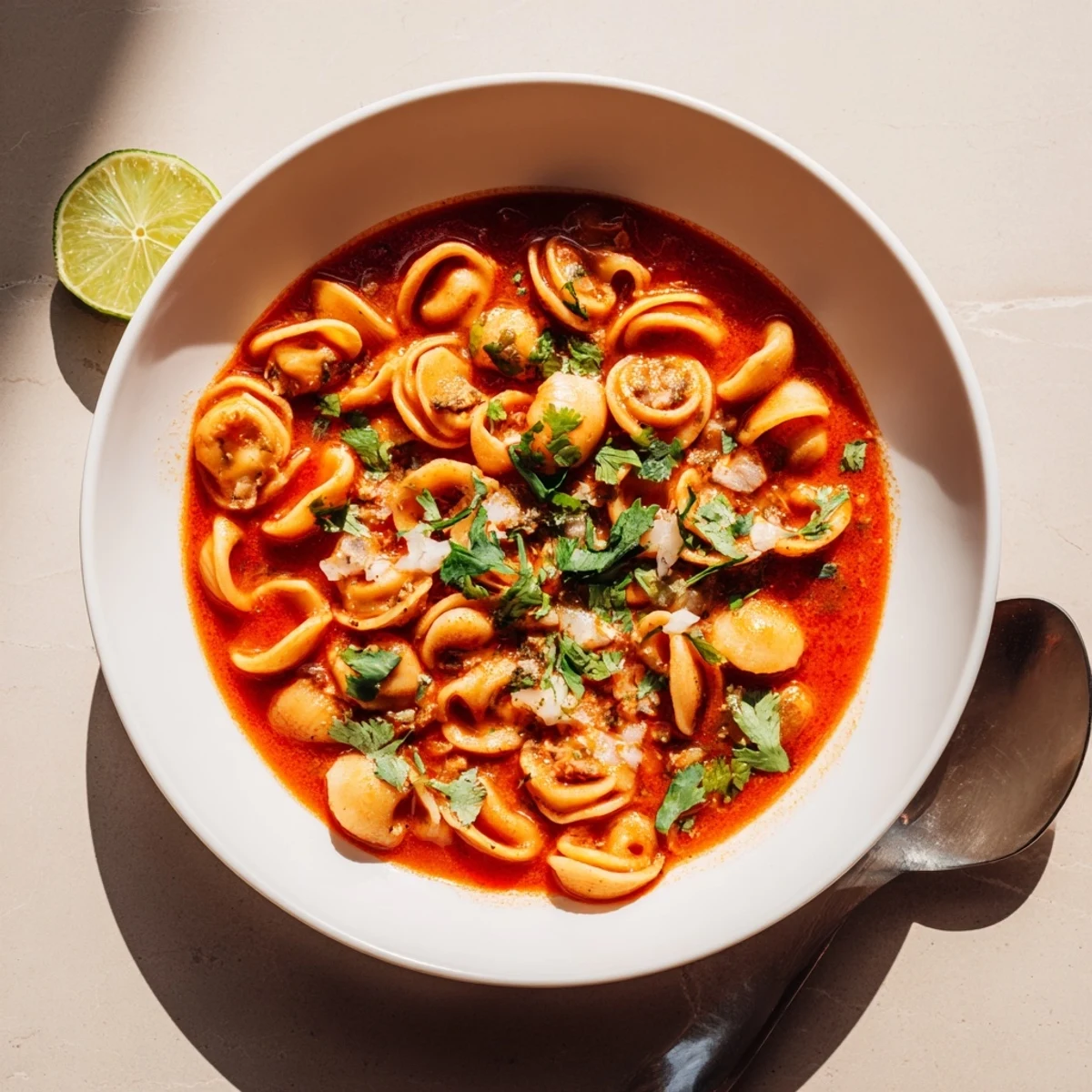
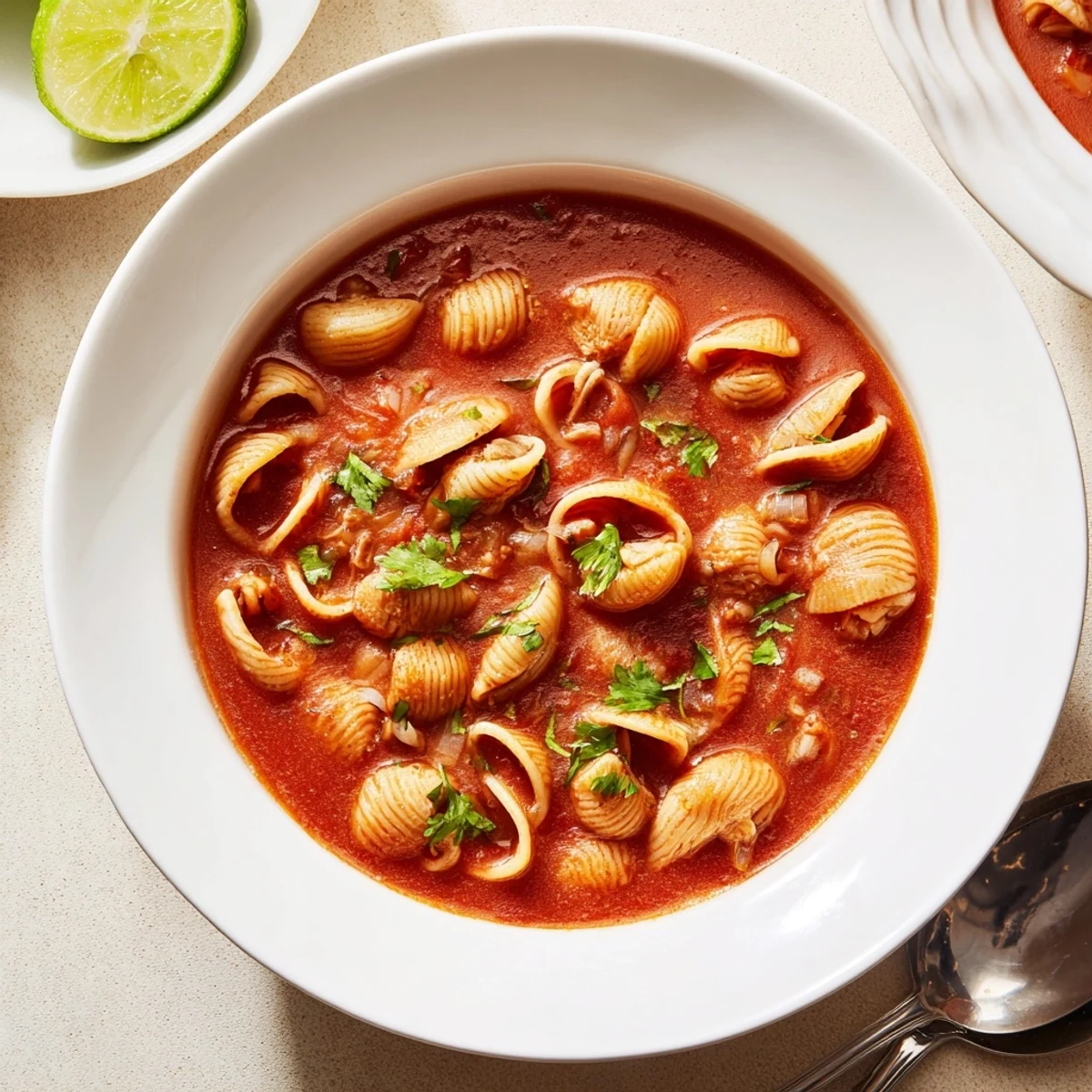
 Sopa de Conchas is a beloved Mexican comfort dish featuring small shell-shaped pasta toasted to a golden brown, then simmered in a vibrant tomato broth made from blended ripe tomatoes, onion and garlic.
The toasting step is key, it adds a nutty depth to the pasta while helping it hold its texture in the broth. Seasoned simply with salt, pepper and a hint of cumin, this soup lets the tomato flavor shine.
Served piping hot with fresh cilantro and a squeeze of lime, it's a light yet satisfying meal that comes together in just 30 minutes. Perfect for lunch or a cozy family dinner.
Some Sundays the kitchen smells like earth and warmth before you even turn on the stove, and that is exactly the kind of day that calls for sopa de conchas. My neighbor Doña Lupe once handed me a bowl of this through the back fence after I helped her carry groceries, and I stood there eating it in her yard without a second thought. It is the simplest soup you will ever make, yet somehow it tastes like someone spent hours on it. The toasted shells soaking up that bright tomato broth are pure comfort in a bowl.
I made a huge batch of this for my daughter when she was home sick from school last winter, and she asked for it three days in a row. There is something about the tiny shells cradling the broth that makes it feel like medicine for the soul. She still requests it whenever the weather turns even slightly cool.
Ingredients
- 1 cup small shell pasta (conchas): The little shells are essential because they cup the broth in their curves, delivering more flavor in every spoonful.
- 3 ripe tomatoes, chopped: Use the reddest, softest tomatoes you can find because their sweetness balances the savory broth beautifully.
- 1/4 small white onion, chopped: Just a quarter gives enough aromatic backbone without overpowering the delicate tomato flavor.
- 2 cloves garlic: Fresh garlic blended raw into the tomato base creates a bright, pungent foundation that cooks down into something mellow.
- 4 cups chicken or vegetable broth: Homemade broth elevates this soup tremendously, but a good quality store bought one works perfectly fine.
- 2 tablespoons vegetable oil: This is for toasting the pasta, so use a neutral oil that will not compete with the tomato flavor.
- 1 teaspoon salt: Add gradually and taste as you go because the broth already contributes saltiness.
- 1/4 teaspoon ground black pepper: A gentle amount adds warmth without masking the tomato.
- 1/4 teaspoon cumin (optional): Just a pinch gives the soup a subtle earthy note that rounds everything out.
- 2 tablespoons chopped cilantro: Fold it in at the very end or sprinkle on top for a fresh finish.
- 1 lime, cut into wedges: A generous squeeze right before eating wakes up every single flavor in the bowl.
Instructions
- Blend the base:
- Toss the tomatoes, onion, and garlic into a blender and let it run until the mixture is completely silky smooth, pausing to scrape down the sides if needed. You want a vibrant orange liquid with no chunks remaining.
- Toast the shells:
- Heat the oil in a medium pot over medium heat, then pour in the dry shell pasta and stir constantly until the shells turn a deep golden brown and smell wonderfully nutty. Keep the shells moving so they toast evenly without burning.
- Cook the tomato base:
- Pour the blended tomato mixture through a fine mesh strainer directly into the pot with the toasted pasta, pressing with the back of a spoon to push through all the liquid. Let it cook for three to four minutes until the raw tomato smell softens into something rich and inviting.
- Build the soup:
- Pour in the broth, add the salt, pepper, and cumin, then stir everything together and bring it to a gentle bubbling boil. You will see the shells start to swell and drink in the surrounding liquid.
- Simmer until tender:
- Drop the heat to low and let the soup simmer uncovered for ten to twelve minutes, stirring occasionally so nothing sticks to the bottom. Test a shell around the ten minute mark because you want it tender but still holding its shape.
- Finish and serve:
- Taste the broth and adjust the salt if it needs a little more, then ladle into warm bowls and top with cilantro and a lime wedge. Serve it steaming hot with warm corn tortillas on the side if you have them.
 Pin it
 The first time I brought this soup to a friend recovering from surgery, she called me the next day to ask if I could teach her mother how to make it. That small pot of sopa de conchas turned into a standing monthly cooking date between the three of us. Food has a way of building bonds that no conversation alone can create.
Making It Your Own
This soup welcomes improvisation beautifully once you have the basic technique down. A diced jalapeño blended with the tomatoes adds a gentle heat that builds with each spoonful. You could also toss in a handful of diced zucchini or carrots during the simmering stage for extra substance and color.
Serving Suggestions
Warm corn tortillas are the traditional companion, but a crusty roll works wonderfully for soaking up every last drop of broth. A slice of queso fresco crumbled over the top adds creaminess that melts slightly into the hot soup. Avocado slices on the side make it feel like a complete and satisfying meal.
Storage and Reheating
The pasta will absorb more broth as it sits, so leftovers will be thicker and more stew like the next day, which some people actually prefer. Add a splash of broth or water when reheating to bring it back to a soup consistency. Store it in an airtight container in the refrigerator for up to three days.
- Freeze individual portions for up to two months and thaw overnight in the fridge before reheating.
- The broth tastes even better the second day because the flavors have more time to mingle together.
- Always add fresh cilantro and lime after reheating, never before storing.
 Pin it
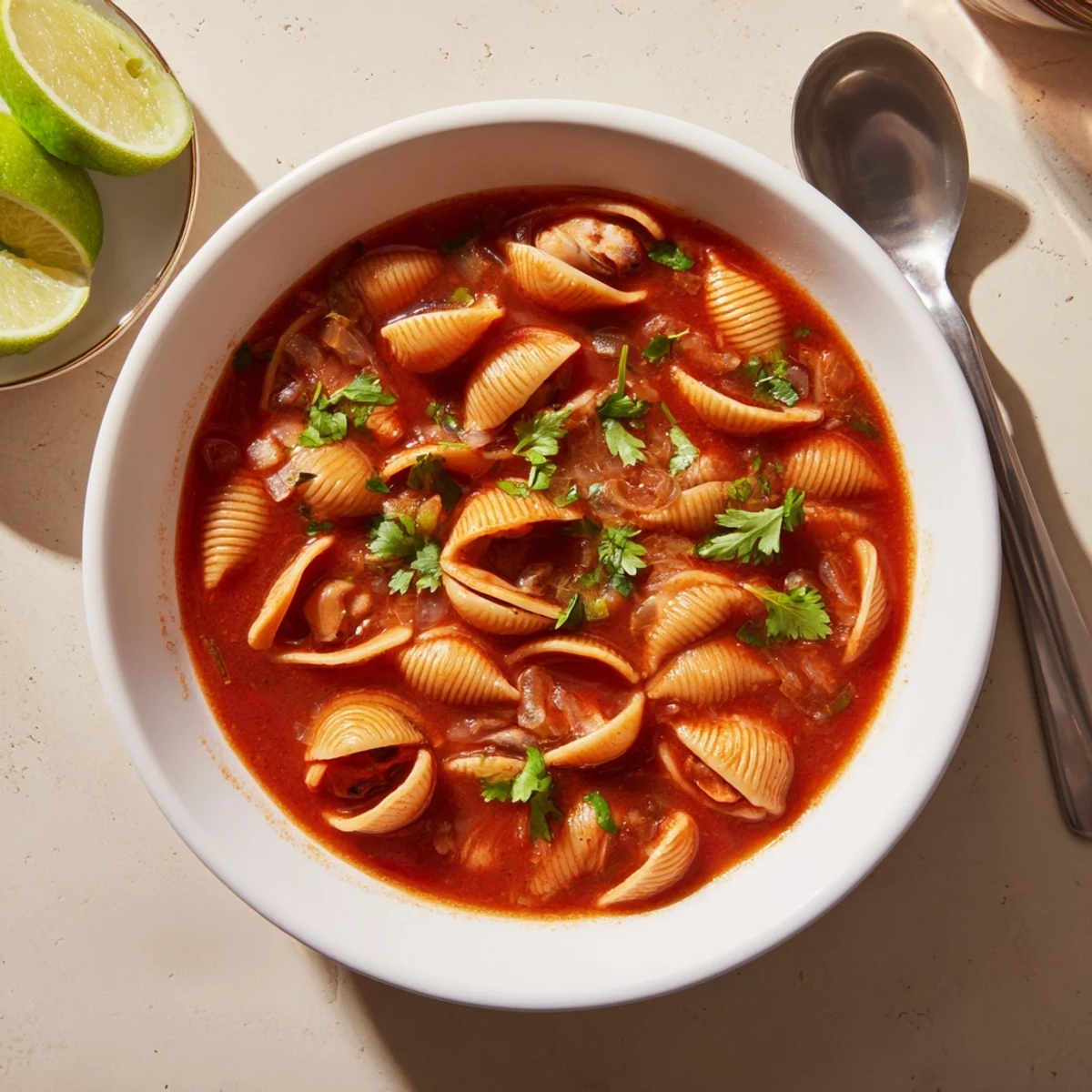
 Keep this recipe close for the days when you need something warm and honest with almost no effort. A pot of sopa de conchas is proof that the best food does not need to be complicated to be unforgettable.
Recipe FAQs
- → Why do you toast the shell pasta before adding the broth?
-
Toasting the pasta in oil before adding liquid serves two purposes. First, it develops a nutty, golden flavor that adds depth to the soup. Second, it firms up the exterior of the pasta so it holds its shape better during simmering and doesn't become mushy.
- → Can I use a different type of pasta instead of shells?
-
While conchas (small shells) are traditional and ideal because they catch bits of tomato broth inside, you can substitute with other small pasta shapes like elbows, ditalini or small farfalle. Avoid long pasta like spaghetti, as it changes the eating experience entirely.
- → Why strain the blended tomato mixture?
-
Straining removes tomato skins and seeds that didn't fully blend, resulting in a smoother, silkier broth. This step is optional if you prefer a more rustic texture, but it elevates the final presentation and mouthfeel of the soup.
- → How do I store and reheat leftover sopa de conchas?
-
Store leftovers in an airtight container in the refrigerator for up to 3 days. The pasta will absorb some broth as it sits, so when reheating on the stovetop or in the microwave, add a splash of broth or water to loosen it back to your desired consistency.
- → What should I serve with sopa de conchas?
-
Warm corn tortillas are the most traditional accompaniment. You can also serve it with a side of refried beans, avocado slices or a simple green salad. A squeeze of fresh lime and chopped cilantro at the table are essential finishing touches.
- → Can I make this soup ahead of time?
-
You can prepare the tomato broth base ahead and refrigerate it for up to 2 days. When ready to serve, reheat the broth, toast fresh pasta and finish the soup. This prevents the pasta from overcooking and ensures the best texture.