
 Pin it
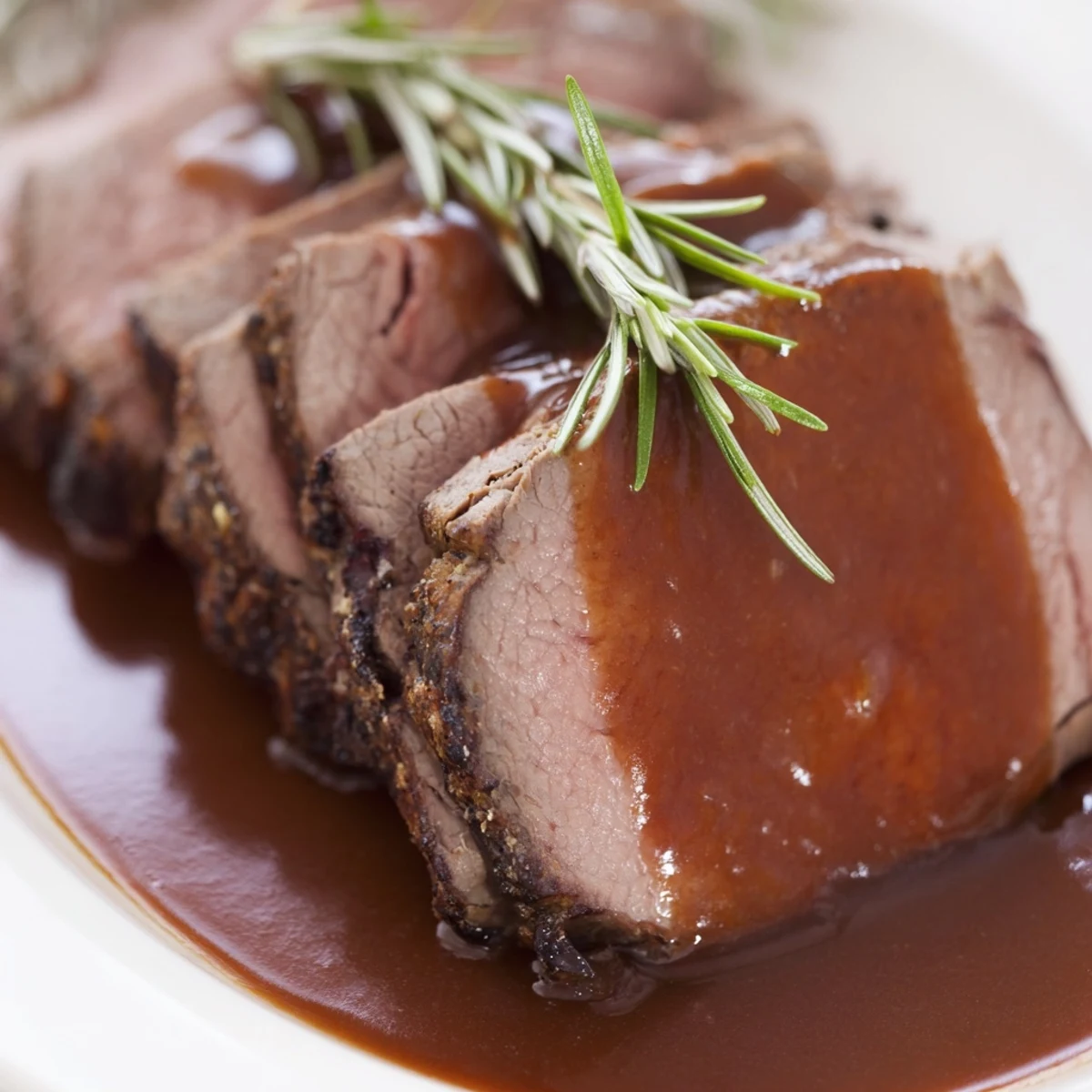
 This dish features succulent roasted meat enhanced by a robust, flavorful gravy made from pan juices, herbs, and seasonings. The meat is carefully seared and slow-cooked with aromatic vegetables and fresh herbs to develop depth of flavor. After roasting, the pan juices are transformed into a smooth, savory gravy that complements the tender slices. Perfect for gatherings, this preparation balances hearty textures and rich tastes, delivering a comforting, memorable main course.
There's something about the smell of a roast slowly browning in a hot pan that makes you pause whatever you're doing. My mother-in-law taught me this dish one winter when I was convinced roasting meat had to be intimidating, and within an hour, I understood why it became her signature comfort food. The magic isn't in complexity—it's in patience and letting the oven do the work. Now, whenever I make it, the kitchen fills with this warm, savory promise that brings everyone to the table.
I remember making this for my sister's first dinner party after she moved into her place, and she was so nervous about impressing her new neighbors. We roasted the beef together while she fretted over side dishes, but once everyone sat down and tried it, her worry melted into genuine pride. That roast became the thing people still ask her to make.
Ingredients
- Beef roast (1.5 kg): Sirloin, rump, or chuck all work beautifully; bring it to room temperature so it cooks evenly, and pat it completely dry—this is what gets you that golden crust.
- Olive oil (2 tbsp): This is your searing partner, nothing fancy needed, just enough to coat the pan properly.
- Kosher salt & black pepper: Season generously before searing; this is your only chance to season the meat itself.
- Onions, carrots, celery & garlic: These aren't just vegetables; they become the flavor foundation that transforms the pan drippings into gravy.
- Fresh rosemary, thyme & bay leaves: Whole sprigs release their oils slowly into the roast, creating depth without overpowering.
- Beef stock (500 ml): Use quality stock if you can; it makes a noticeable difference in the final gravy.
- Dry red wine (250 ml, optional): The wine adds sophistication and depth, but extra stock works just as well if you prefer to skip it.
- Cornstarch or flour (2 tbsp): A slurry of this with water is your gravy thickener; use cornstarch for guaranteed gluten-free results.
Instructions
- Get everything ready:
- Preheat your oven to 180°C and lay out your ingredients. Pat the roast completely dry with paper towels—any moisture on the surface will steam instead of sear, and you want that beautiful brown crust. Rough up the surface a bit with your fingers so the seasoning clings.
- Season boldly and sear:
- Rub the roast generously with olive oil, salt, and pepper on all sides. Heat your ovenproof skillet over medium-high heat until it's genuinely hot—you should hear a sizzle the moment the meat hits. Sear each side for 3 to 4 minutes until deeply browned; this takes patience, but don't rush it.
- Build your flavor base:
- Remove the roast and add the onions, carrots, celery, and garlic to the same pan. Let them get a little color, about 5 minutes, stirring occasionally. This caramelization is where your gravy gets its body.
- Bring it together:
- Nestle the roast back onto the vegetables and scatter the herbs around it. Pour in the wine (if using) and 1 cup of stock—you're creating a shallow bath that will braise the meat gently. Cover loosely with foil and slide it into the oven.
- Let time do the work:
- Roast for 1 hour 15 minutes to 1 hour 30 minutes, checking the internal temperature with a meat thermometer. Aim for 57°C for medium-rare; it will continue cooking slightly as it rests. Resist the urge to check constantly; the oven knows what it's doing.
- Rest like you mean it:
- Pull the roast out and tent it loosely with foil for at least 15 minutes. This rest allows the fibers to relax and reabsorb the juices, making every slice tender instead of tough. Use this time to finish your sides.
- Make the gravy magic:
- Strain the pan drippings into a saucepan, pressing gently on the vegetables to extract their flavor, then discard the solids. Skim off the excess fat floating on top—a spoon works perfectly for this. Add the remaining stock and bring to a gentle simmer.
- Thicken with a slurry:
- In a small bowl, whisk cornstarch with cold water until smooth and lump-free. Slowly drizzle it into the simmering gravy while whisking constantly—this prevents lumps and gives you a silky, coated texture. Once thickened, it takes just a minute or two.
- Taste and adjust:
- Pinch of salt, grind of pepper, maybe a whisper more wine—make it taste like what you want to eat. Gravy is forgiving; trust your palate.
- Slice and serve:
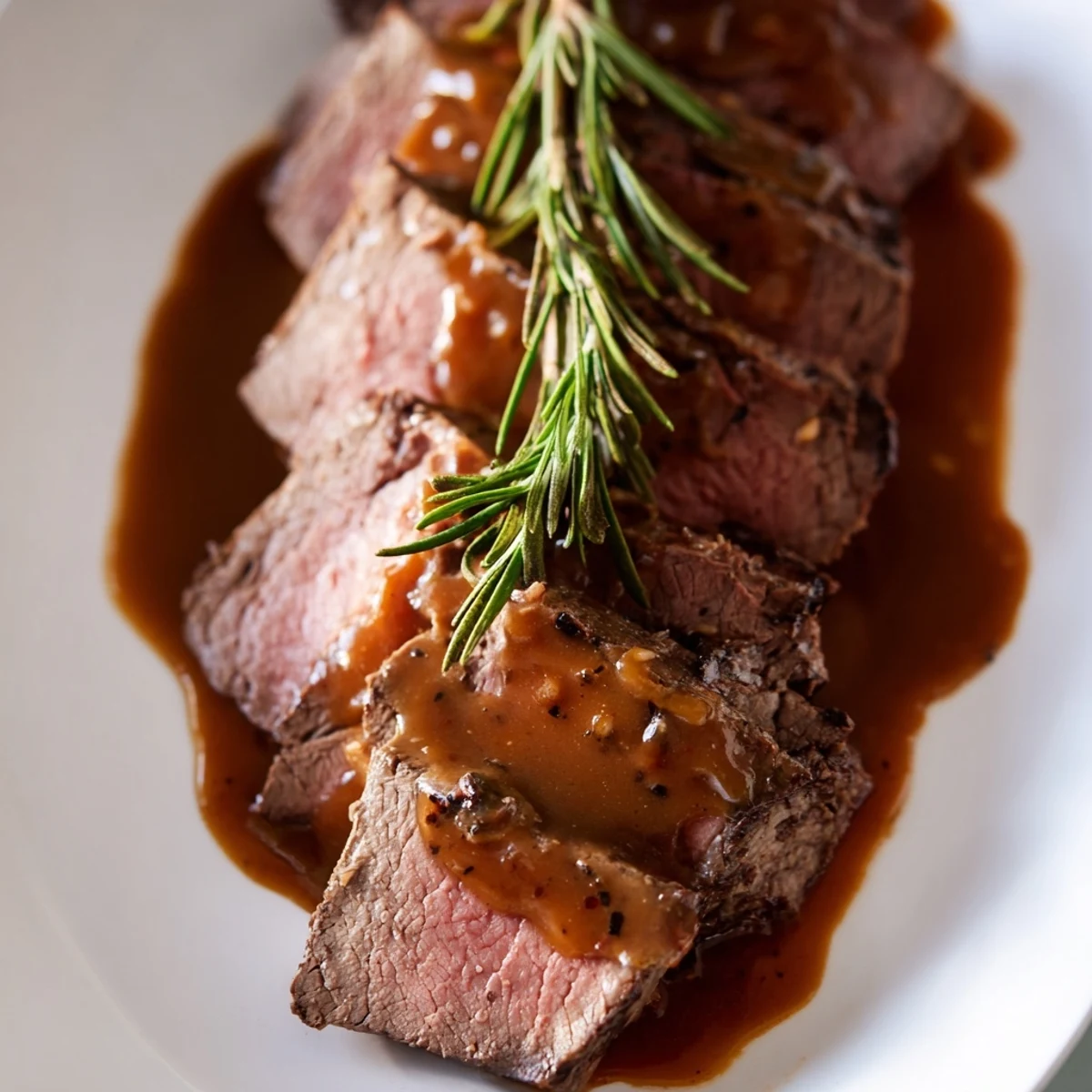
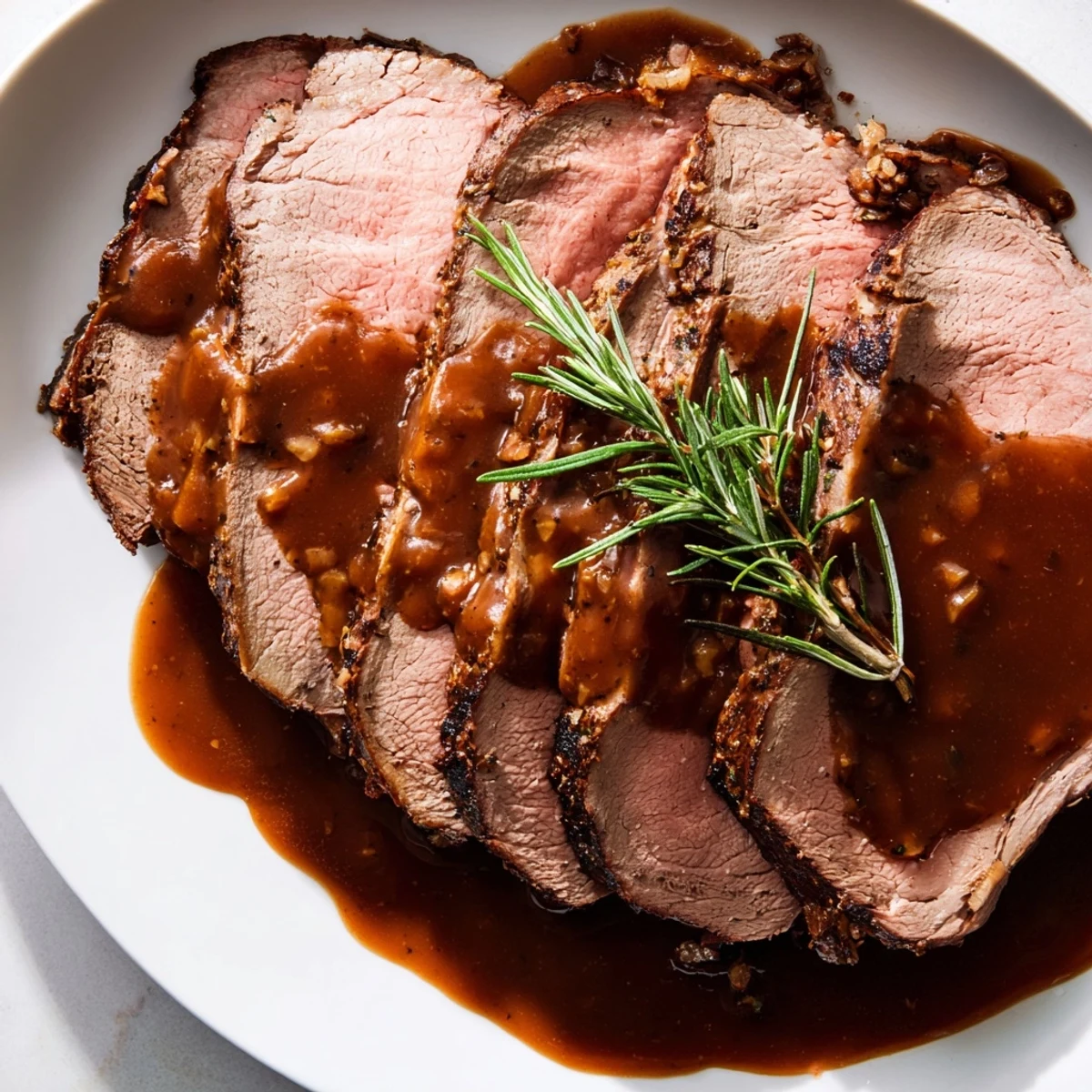
- Carve the roast against the grain so each slice is as tender as it possibly can be. Arrange on a platter and pour that warm, rich gravy over everything.
 Pin it
 The best part of this meal isn't actually the first bite—it's the moment everyone goes quiet for a few seconds, forks pausing, before someone says something like, 'This is exactly what I needed.' That's when you know you've made something that matters.
What Makes This Roast Special
The searing step is non-negotiable; it creates a flavorful crust that keeps the meat juicy inside. But honestly, the real secret is giving yourself permission to slow down. This isn't a quick weeknight dinner—it's a ritual that fills your home with warmth and anticipation. Every time I make it, I remember why people used to gather around Sunday roasts like they were sacred.
Playing with Flavor
Once you've mastered the basics, you can add personality to this dish. I've made it with a splash of balsamic vinegar for sweetness, with extra garlic for richness, and once even with a spoonful of mustard stirred into the gravy. The formula is sturdy enough to handle experimentation, which makes it even better.
Serving and Pairing Ideas
The vegetables that cook alongside the roast are edible but mainly there for flavor; swap them out for a fresh salad or crusty bread to soak up the gravy. Roasted potatoes and steamed greens are the classic companions, but honestly, anything that can hold gravy is fair game. This meal is flexible in the best way.
- Serve with creamy mashed potatoes or golden roasted ones to catch every drop of gravy.
- Fresh green vegetables brighten the plate and balance the richness without fighting for attention.
- Crusty bread is your secret weapon for soaking up every last bit of that liquid gold.
 Pin it
 This roast has a way of becoming the thing people ask you to make for every important meal. Once you've done it once, you'll realize it's less about following steps perfectly and more about trusting the process and enjoying the company while the oven does its work.
Recipe FAQs
- → What cut of meat is best for roasting?
-
Choose beef cuts like sirloin, rump, or chuck for roasting as they offer a good balance of tenderness and flavor after cooking.
- → How do I achieve a rich, thick gravy?
-
After roasting, strain the pan juices and simmer with a slurry of cornstarch and cold water until thickened to create a smooth, rich gravy.
- → Can I prepare this dish gluten-free?
-
Yes, by using gluten-free flour or cornstarch as a thickener, the gravy remains suitable for gluten-free diets.
- → What herbs enhance the flavor of the meat?
-
Fresh rosemary, thyme, and bay leaves are ideal for infusing aromatic flavors into the roast and gravy.
- → Is marinating the meat necessary?
-
Marinating overnight with herbs and olive oil intensifies flavor but is optional for a delicious outcome.
- → What sides pair well with this dish?
-
Roasted or mashed potatoes and steamed vegetables complement the tender meat and savory gravy beautifully.