
 Pin it
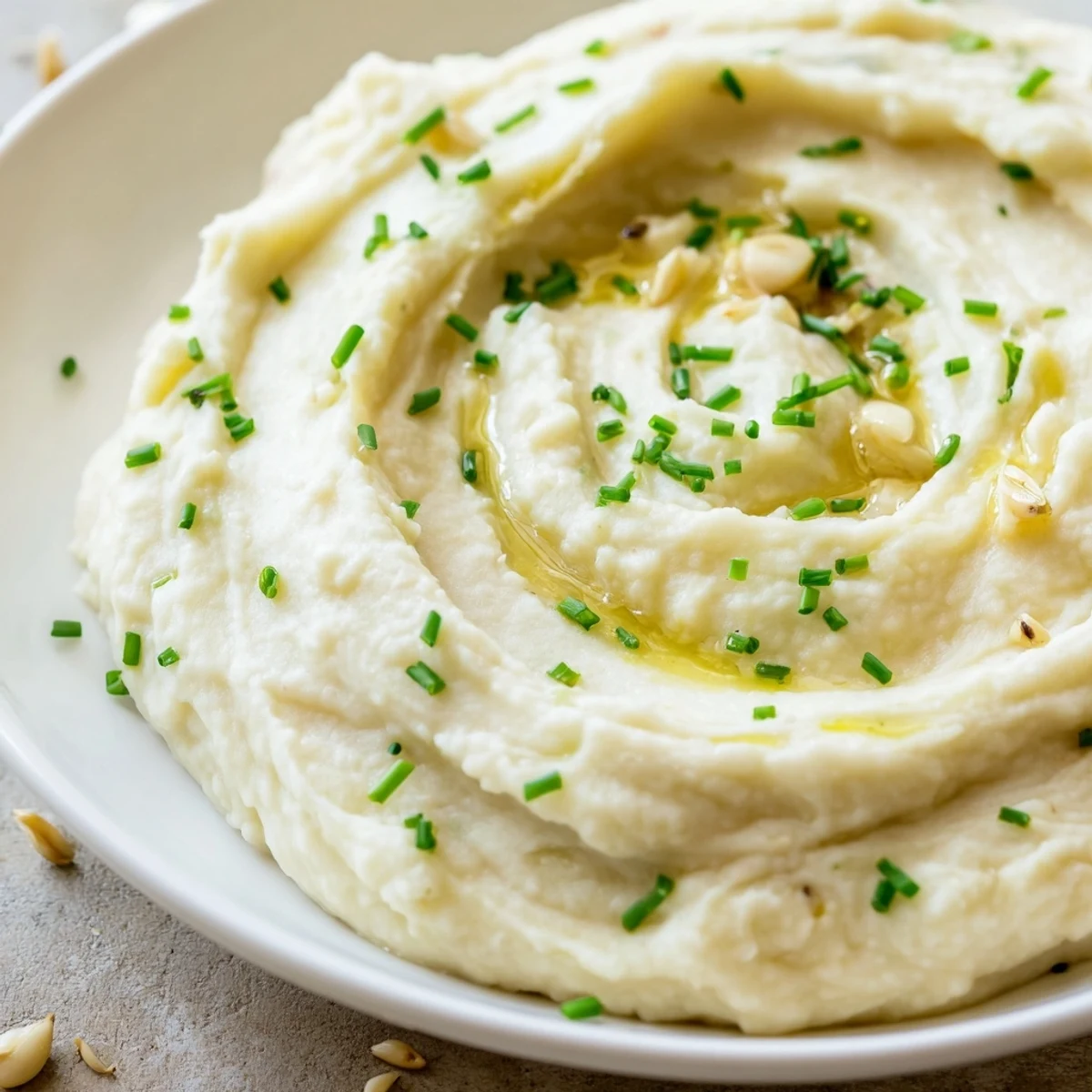
 This dish highlights cauliflower mashed to a smooth, creamy texture, enhanced by the sweetness of slow-roasted garlic and the fresh bite of chopped chives. Roasting garlic softens and deepens its flavor while steaming the cauliflower preserves its tenderness. Butter and cream add richness, balanced by seasoning with salt and pepper. Ideal as a light, flavorful side, it offers a low-carb, vegetarian option full of delicate aromas and that velvety mouthfeel.
Last winter, I was trying to cut back on carbs but desperately craving that comfort food feeling. My sister suggested mashed cauliflower, and I was skeptical until I smelled roasted garlic wafting through the kitchen. Now its become the one dish even potato purists request at family dinners.
I first made this for a dinner party where two guests were doing keto and another was gluten-free. Everyone kept asking what I'd done to the cauliflower to make it taste so rich. That night I learned that the right technique can make any vegetable feel indulgent.
Ingredients
- 1 large head cauliflower: Look for tight, white florets without any brown spots
- 1 whole head garlic: Roasting mellows the sharpness into something sweet and creamy
- 2 tablespoons fresh chives: Their mild onion flavor brightens everything
- 3 tablespoons unsalted butter: Adds that velvety richness we all crave
- 1/4 cup whole milk or heavy cream: The secret to ultra smooth texture
- 1/2 teaspoon salt: Start with this and adjust to your taste
- 1/4 teaspoon freshly ground black pepper: Freshly cracked makes all the difference
- 1 tablespoon olive oil: For roasting the garlic to golden perfection
Instructions
- Roast the garlic:
- Cut the top off your garlic head, drizzle with olive oil, and wrap it tightly in foil. Let it roast at 400°F for 30 to 35 minutes until the cloves are soft and golden.
- Cook the cauliflower:
- While the garlic roasts, steam or boil your florets until theyre fork tender, about 10 to 12 minutes. Drain them thoroughly to avoid watery mash.
- Mash everything together:
- Squeeze the roasted garlic cloves into a bowl, add the cauliflower, butter, milk, salt, and pepper. Mash until smooth or use an immersion blender for extra creaminess.
- Add the finishing touch:
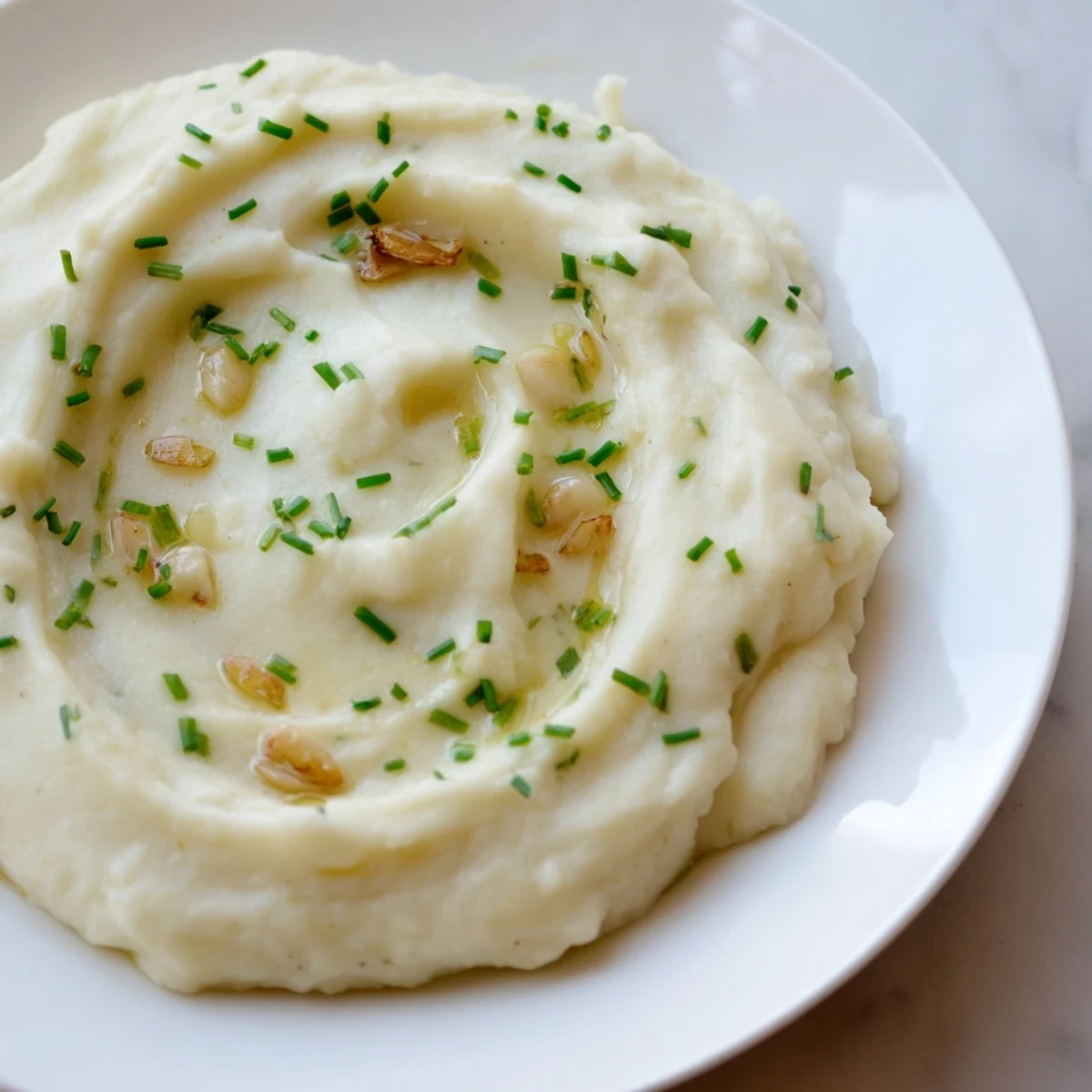
- Fold in the chopped chives, taste, and adjust the seasoning. Serve hot with a few extra chives scattered on top.
 Pin it
 My dad actually asked for seconds before realizing it wasnt potatoes. Watching someone genuinely enjoy something healthy has become one of my favorite feelings.
Making It Your Own
Sometimes I add a pinch of garlic powder or onion powder for extra depth. A tablespoon of grated Parmesan creates this incredible savory umami note that nobody can quite put their finger on.
Texture Tips
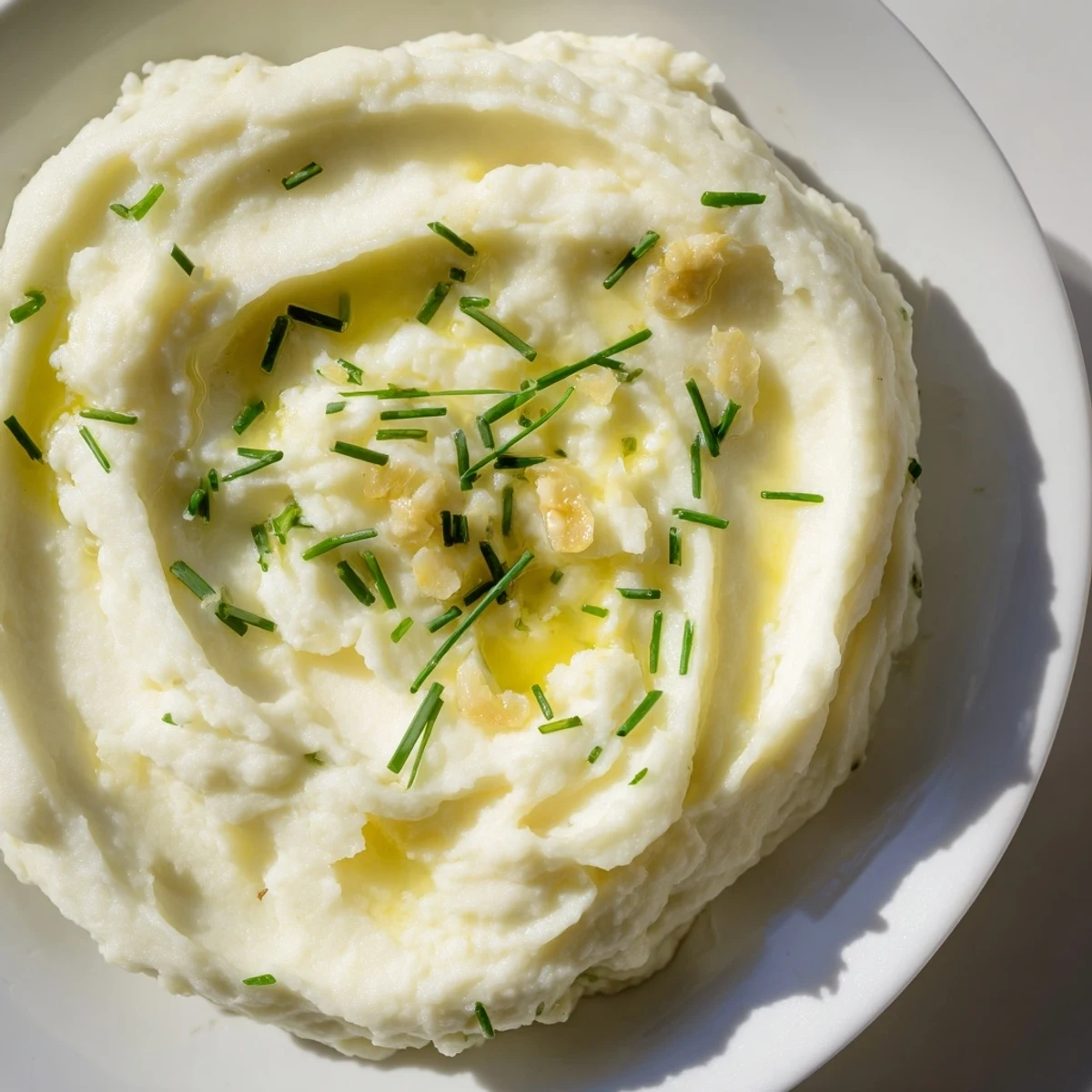
If you want it silky smooth, an immersion blender is worth the extra dish. For a rustic texture, a simple potato masher keeps it satisfyingly chunky. Either way, the key is draining the cauliflower really well.
Make Ahead Magic
This reheats beautifully, so I often roast extra garlic and prep the cauliflower the day before. Just add a splash more milk when warming it up.
- Store in an airtight container for up to 4 days
- Reheat gently on the stove with a little extra cream
- Freeze portions for quick weeknight sides
 Pin it
 Side dishes should never feel like an afterthought. This one has earned its permanent place at my table.
Recipe FAQs
- → How do I roast garlic properly?
-
Slice the top off the garlic head, drizzle with olive oil, wrap in foil, and roast at 400°F (200°C) for 30-35 minutes until soft and golden.
- → What’s the best way to cook cauliflower for mashing?
-
Steam or boil cauliflower florets for about 10-12 minutes until fork-tender, then drain thoroughly to avoid excess moisture.
- → Can I make this dish dairy-free?
-
Yes, substitute butter and milk with plant-based alternatives to maintain creaminess without dairy.
- → How can I adjust the texture of the mash?
-
For a chunkier texture, mash with a potato masher; for a smoother, creamier finish, use an immersion blender.
- → What herbs complement roasted garlic mashed cauliflower?
-
Fresh chives are classic, but parsley or thyme can be added to vary the flavor profile and add freshness.