
 Pin it
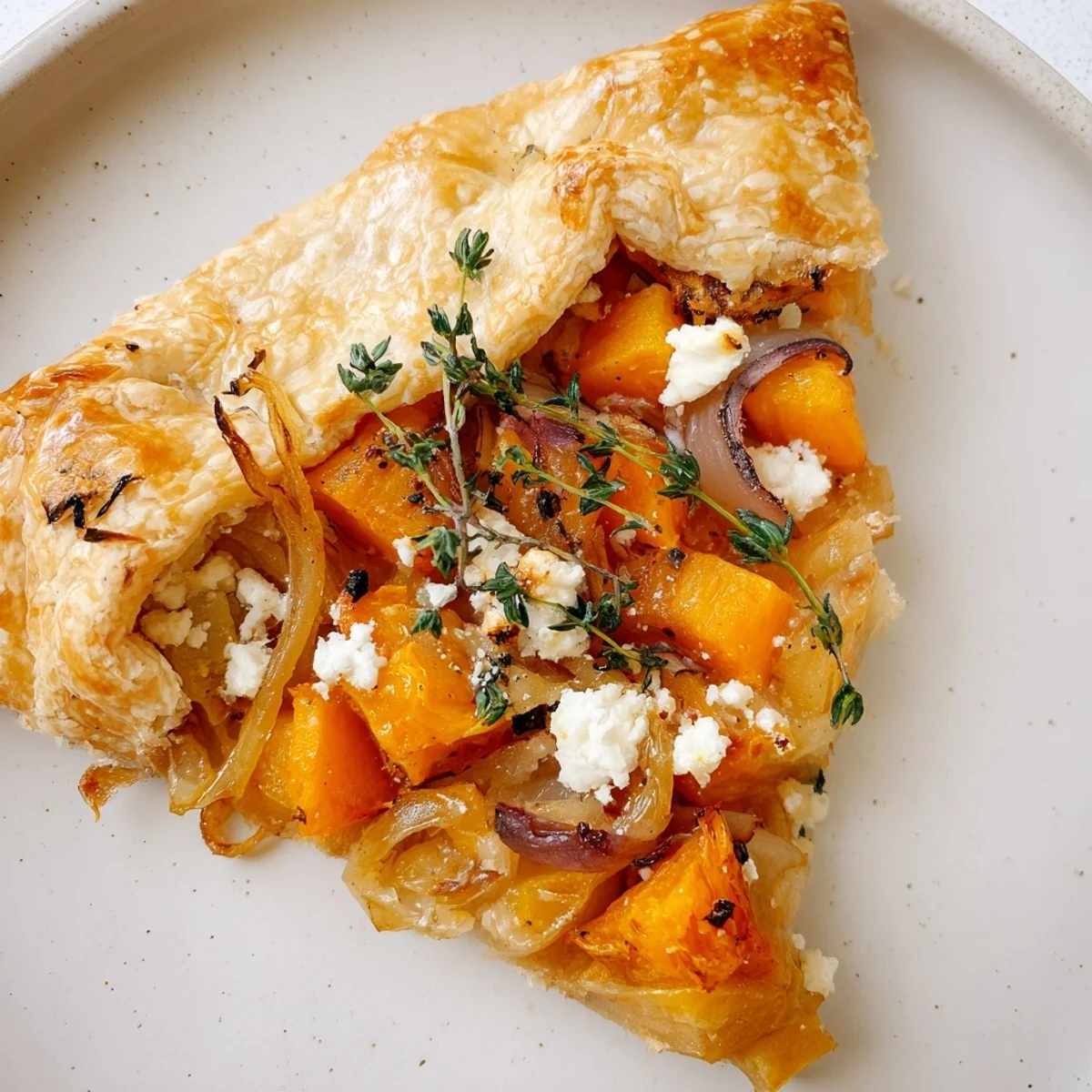
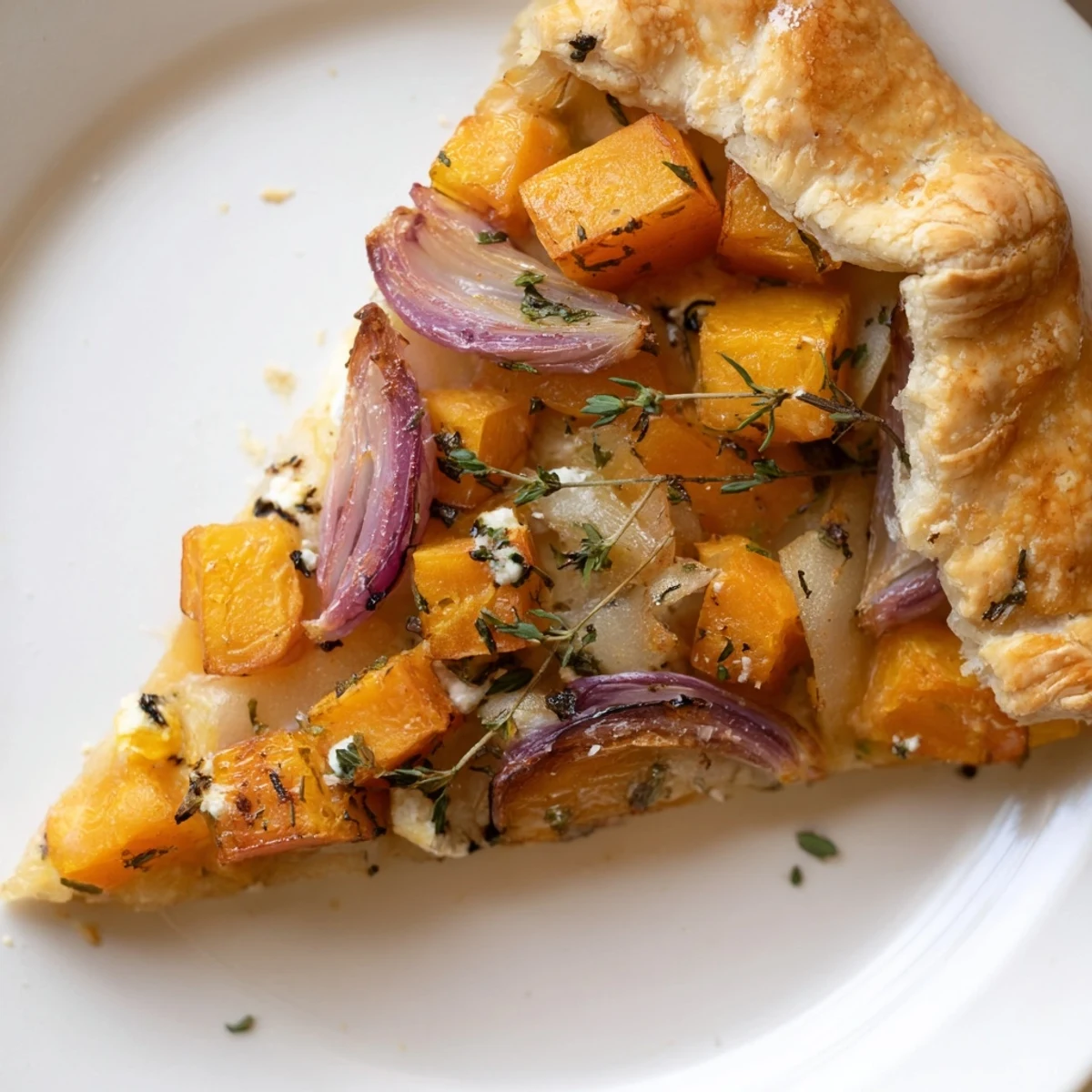
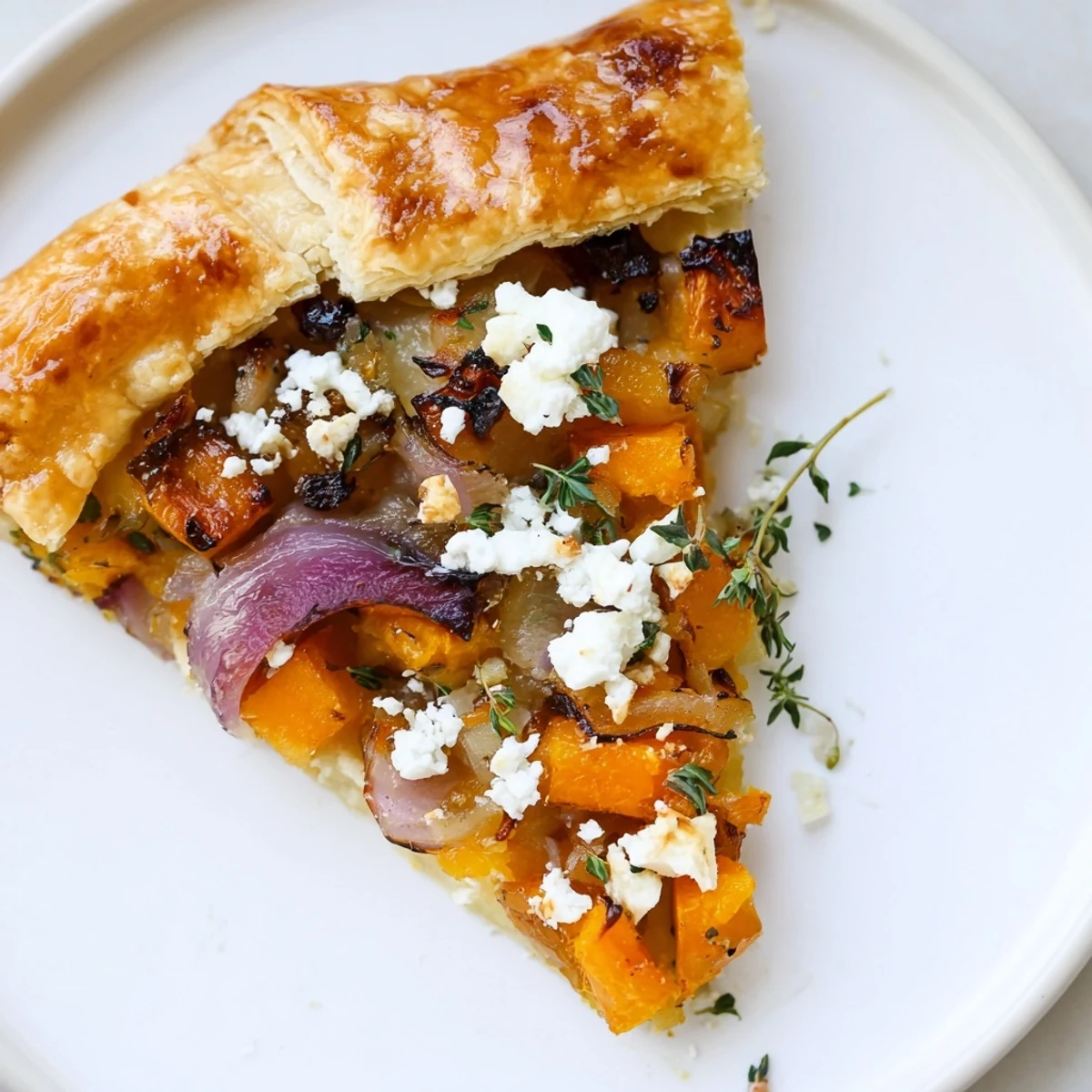
 This galette combines tender roasted butternut squash with tart apple slices and caramelized onions, all seasoned with thyme, nutmeg, and black pepper for a fragrant depth of flavor. The flaky buttery crust envelops a filling topped with creamy goat cheese and fresh parsley, baked to golden perfection. Perfect as a main dish for a vegetarian meal, it brings a balance of savory and subtle sweetness with every bite.
Preparation involves roasting the vegetables, rolling out a simple flour and butter crust, assembling the galette with the layered filling, and baking until crisp. Optional toppings like toasted nuts or a fresh salad complement this hearty dish well.
The first time I made a galette, I was determined to impress someone with homemade pastry, and somewhere between the butter cubes and the ice water, I realized I'd been overthinking it. What started as an anxious Saturday afternoon in the kitchen became this beautiful, rustic moment where imperfection actually looked intentional. Now whenever I roast butternut squash and apples together, that warm, slightly sweet-savory smell takes me right back to that day, and I smile at how much simpler things became once I stopped worrying about perfection.
I made this for a dinner party once where everyone arrived hungry and skeptical about a vegetarian main, but the galette came out of the oven golden and crackling, and something shifted. People went back for seconds, and the conversation around that table felt different, slower, more genuine. It's one of those dishes that looks complicated enough to impress but tastes like it came from a place of genuine care rather than stress.
Ingredients
- All-purpose flour (1 1/4 cups): Cold hands and cold butter matter more than the flour itself, but good flour gives you a structure that forgives small mistakes.
- Cold unsalted butter (1/2 cup): Cut it into cubes before you start and keep it cold until the last moment, otherwise you'll end up with a dense crust that tastes more like shortbread than pastry.
- Ice water (3-4 tablespoons): Add it slowly and stop as soon as the dough comes together; extra water is the enemy of a flaky crust.
- Butternut squash (2 cups, diced): The smaller you cut it, the faster it roasts and the better it caramelizes at the edges.
- Granny Smith apple (1 medium): Tart apples hold their shape during roasting and cut through the richness without turning to mush.
- Red onion (1 medium): The natural sugars in onions concentrate in the oven and become almost caramel-like, adding a gentle sweetness without any sharpness.
- Fresh thyme (1 tablespoon): Dried thyme works, but fresh thyme releases oils as it roasts and smells incredible.
- Ground nutmeg (1/4 teaspoon): Just a whisper of nutmeg bridges squash and apple; too much and it tastes like dessert instead of dinner.
- Goat cheese (3 oz): Crumble it by hand and scatter it just before folding the edges so it melts into small pockets rather than spreading into one large mass.
Instructions
- Make the dough early and chill it:
- Whisk flour and salt together, then work in cold butter until the mixture looks like coarse breadcrumbs with some pea-sized pieces still visible. Add ice water one tablespoon at a time until everything just holds together, then shape it into a disc, wrap it, and refrigerate for at least 30 minutes while you handle the filling.
- Roast the squash and onion first:
- Toss diced squash and sliced onion with olive oil, thyme, nutmeg, salt, and pepper, then spread on a parchment-lined baking sheet and roast at 400°F for 20 minutes. The edges should start to caramelize and the house should smell amazing.
- Add the apples and roast again:
- Remove the pan from the oven, scatter apple slices over the squash and onions, toss gently, and roast for another 15 minutes until the squash is tender and the apples have softened but still hold their shape. Let everything cool for a few minutes so you can handle it without burning yourself.
- Roll out your crust with confidence:
- On a lightly floured surface, roll the chilled dough into a 12-inch circle, working from the center outward and rotating it occasionally. Transfer it to a parchment-lined baking sheet and don't worry if it tears slightly; galettes are meant to be rustic.
- Build the galette:
- Spread the cooled squash, onion, and apple filling evenly over the dough, leaving a 2-inch border, then scatter goat cheese and parsley over the top. Fold the edges of the dough up and over the filling, pleating as you go and letting it settle naturally into folds.
- Finish and bake:
- Brush the exposed crust with beaten egg wash and sprinkle with coarse sea salt if you like, then bake at 400°F for 30 to 35 minutes until the crust is golden brown and the filling is bubbling slightly at the edges. Let it rest for a few minutes before slicing so the filling sets just enough to hold together.
 Pin it
 There's something about a galette that feels like it belongs on a wooden table in the middle of nowhere, maybe with a knife and a glass of wine and someone you actually want to talk to. It's the kind of dish that doesn't need to prove anything, and that's exactly why it works.
Why This Works as a Main Course
The pastry crust is substantial enough to carry the meal, and the combination of roasted vegetables with goat cheese creates a balance between savory, sweet, and tangy that feels complete without any animal protein. Butternut squash and apples have always made sense together, but roasting them concentrates their natural sugars and adds depth that transforms them from side dish material into something that can anchor a table. Thyme and nutmeg tie everything together with warmth, while the acidity of goat cheese keeps the dish from feeling heavy or one-dimensional.
Variations to Explore
Once you've made this version, the formula becomes flexible and fun. You can swap the apples for pears in the fall, use roasted Brussels sprouts instead of squash in spring, or add toasted walnuts for crunch and earthiness. Some people brush the finished galette with a light glaze of honey and whole grain mustard, others add caramelized garlic or fresh rosemary, and honestly, all of it works.
Serving and Pairing
Serve this warm or at room temperature with a crisp green salad that has a sharp vinaigrette to cut through the richness, and if you're opening wine, a dry Sauvignon Blanc or a light Pinot Grigio sits beautifully alongside it. Leftovers are good cold the next day, which is rare for pastry but happens because the flavors continue to blend and mellow overnight. This is the kind of dish that works for a casual dinner with friends, a light lunch when you want something more interesting than a sandwich, or a centerpiece for a vegetarian feast.
- Let the galette rest for at least 5 minutes after baking so the filling firms up slightly and cutting it becomes easy instead of messy.
- If you want to make the crust ahead, prepare it the day before and keep it wrapped in the refrigerator, or even freeze it for up to a month.
- For a vegan version, use vegan butter for the crust, replace goat cheese with a plant-based alternative, and brush the crust with plant milk instead of egg wash.
 Pin it
 This galette became my answer to the question of what to make when I wanted to cook something that felt special but didn't require hours of anxiety or a technique I hadn't mastered yet. If you make one today, I hope it tastes like discovery.
Recipe FAQs
- → What type of flour works best for the crust?
-
All-purpose flour provides the right structure and flakiness for the crust, balancing tenderness and sturdiness.
- → Can I prepare the filling ahead of time?
-
Yes, roasting the butternut squash, apples, and onions in advance can save time and enhance flavors before assembling.
- → How do I achieve a flaky crust?
-
Keep the butter cold and work quickly when mixing the dough. Adding ice water gradually helps form a tender, flaky crust.
- → What herbs complement the squash and apple flavors?
-
Fresh thyme is recommended for its subtle earthiness, and parsley adds a bright, fresh note when sprinkled on top.
- → Any suggestions for dietary substitutions?
-
For a vegan version, use plant-based butter and cheese, and replace the egg wash with plant milk to maintain the crust’s texture.