
 Pin it
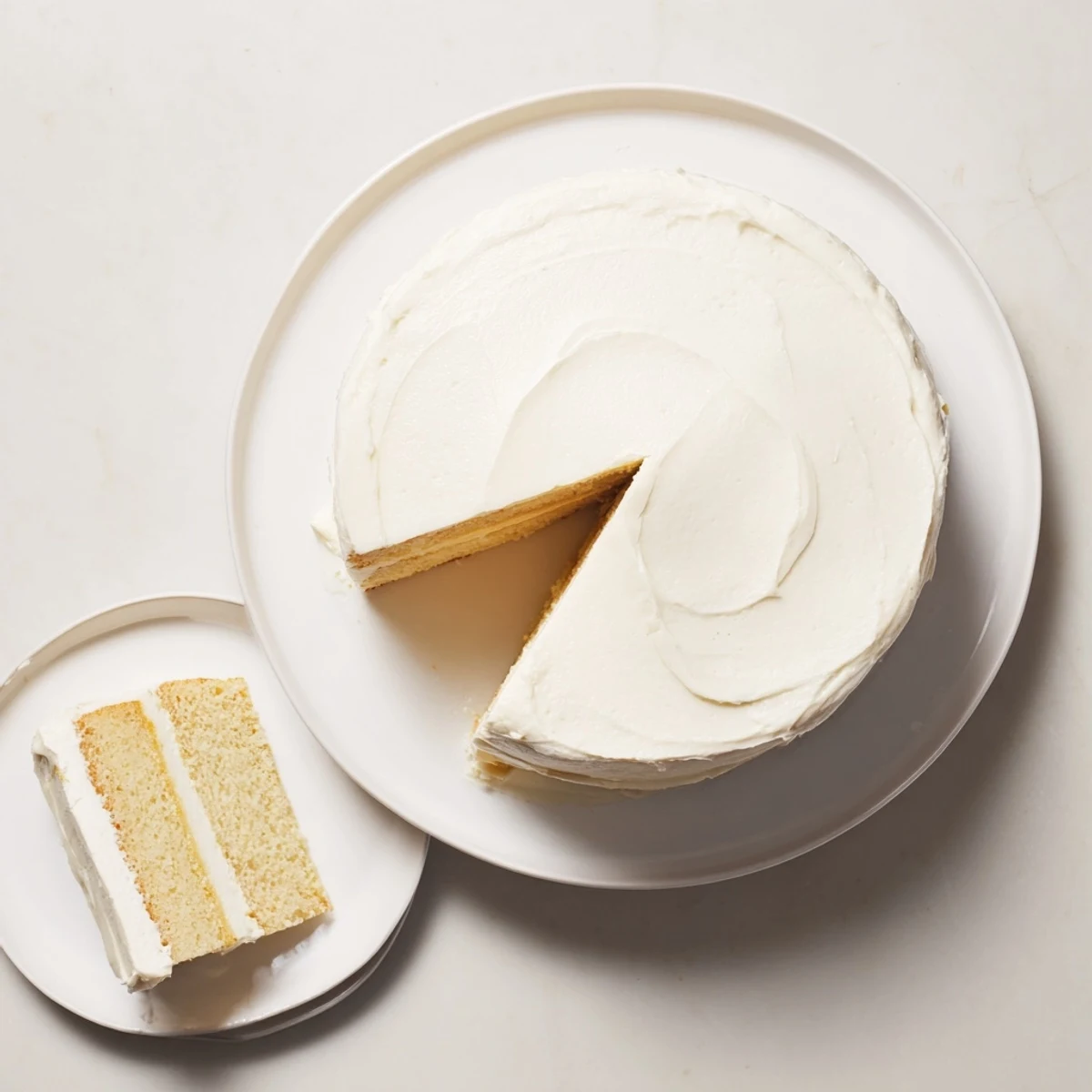
 Create a classic vanilla cake with a tender crumb and rich buttercream frosting. This beloved American dessert features layers of moist sponge, perfectly balanced with sweet creamy icing. The straightforward method yields professional results ideal for birthdays, holidays, or weekend baking.
There's something magical about the smell of vanilla cake drifting through the house. It reminds me of weekend afternoons when my mom would let me lick the buttercream beaters while she worked on perfecting those swooping frosting swirls. Now I understand why she took such care with this simple recipe. A really good vanilla cake isn't just about following steps, it's about patience and paying attention to the small moments.
I made this cake for my daughter's seventh birthday after she declared it was the only cake she'd ever want again. She stood on a step stool next to me, carefully measuring each cup of flour like it was precious gold. When we pulled those golden layers from the oven, she looked so proud I thought her heart might burst. That's the thing about vanilla cake, it's not just dessert, it's a memory waiting to happen.
Ingredients
- All purpose flour: This creates the structure, so spoon and level it gently instead of scooping directly
- Baking powder: The lift that makes each layer tall and proud, check the expiration date first
- Salt: Just a pinch wakes up all the other flavors and keeps the cake from tasting flat
- Unsalted butter: Use it completely softened but not melting, about 65-70°F works perfectly
- Granulated sugar: Cream this thoroughly with the butter until it looks pale and fluffy, this step creates air pockets
- Large eggs: Room temperature eggs blend into the batter better and create a more even crumb
- Pure vanilla extract: Don't skimp here, this is the star of the show so use the good stuff
- Whole milk: Also at room temperature, keeps the batter from seizing and creates tenderness
- Softened butter for frosting: The same temperature rules apply here for silky smooth results
- Powdered sugar: Sifting it first prevents lumpy frosting and saves your arms some work
- Milk for buttercream: Adjust this to get your perfect frosting consistency
- Vanilla extract for frosting: This is what makes it taste like buttercream instead of just sweet butter
Instructions
- Getting your space ready:
- Preheat your oven to 350°F and take time to properly grease and line those pans with parchment circles. This is the secret to cakes that release cleanly without any drama.
- Building your foundation:
- Whisk together the flour, baking powder, and salt in a medium bowl. Set this aside while you work on the wet ingredients, giving everything time to aerate.
- Creating the base:
- Beat the softened butter and sugar until it's noticeably lighter and fluffier, usually about 3-4 minutes of patient mixing. The texture should look like whipped cream.
- Adding the eggs:
- Drop in the eggs one at a time, beating well after each one disappears into the batter. Pour in the vanilla and watch the mixture become beautifully smooth.
- Bringing it together:
- Add the flour mixture in three parts, alternating with the milk in two parts, always starting and ending with the dry ingredients. Mix only until you see the last streak of flour disappear.
- Baking to perfection:
- Divide the batter equally between your prepared pans and smooth the tops. Bake for 28-32 minutes until a toothpick comes out clean and the layers are golden brown.
- The waiting game:
- Let the cakes rest in their pans for exactly 10 minutes before turning them out. This brief pause helps them set without crumbling or falling apart.
- Making the frosting:
- Beat the butter until creamy, then gradually add the powdered sugar, milk, vanilla, and pinch of salt. Whip it for about 3 minutes until it's light enough to spread but holds its shape.
- The final assembly:
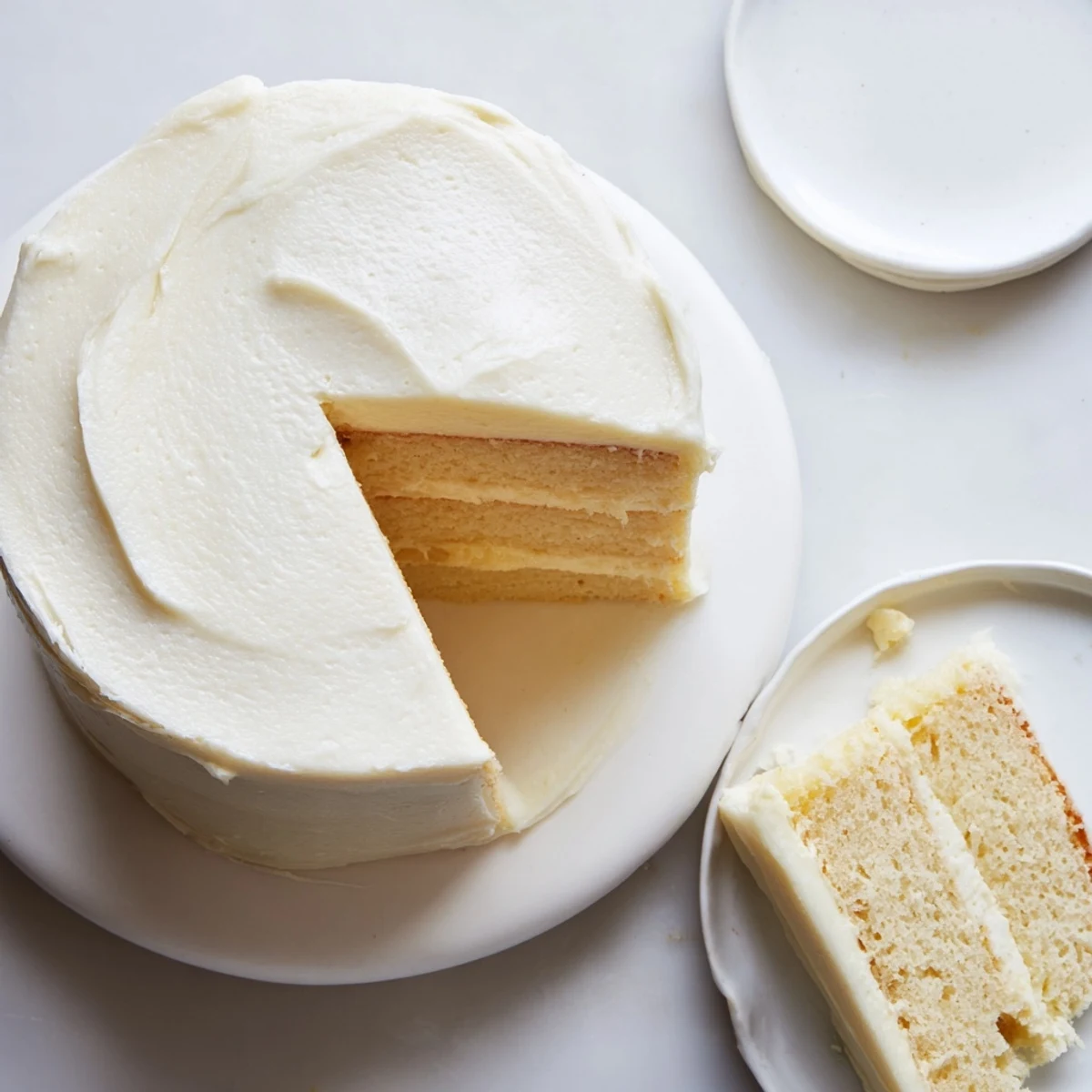
- Once the cakes are completely cool, spread buttercream between the layers and frost the top and sides. Take your time and enjoy the process, this is where it becomes yours.
 Pin it
 That birthday cake became the one my daughter requested every single year after. Now she's old enough to make it herself, and I watch her repeat the same careful steps I taught her. Some days she calls just to ask how long to cream the butter and sugar, and I smile knowing she's carrying this forward.
Making It Ahead
I've learned that vanilla cake layers freeze beautifully when wrapped tightly in plastic and then foil. Thaw them overnight in the refrigerator before frosting, and they'll taste just as fresh as the day you baked them. This trick saved me more times than I can count when planning parties.
Customizing Your Creation
While vanilla is beautiful on its own, sometimes I tuck fresh berries between the layers or spread a thin layer of raspberry jam under the frosting. A sprinkle of vanilla bean seeds transforms it into something extra special without changing the recipe at all. Trust what feels right for your occasion.
Serving Suggestions
This cake needs nothing more than a cold glass of milk or a hot cup of coffee. It's rich enough that small slices satisfy everyone, which means this recipe serves more people than you might expect. Let it sit at room temperature for about 30 minutes before serving so the buttercream softens slightly.
- Use a hot knife to get those perfectly clean frosting slices
- Store any leftovers covered at room temperature for up to 3 days
- The frosting alone works beautifully on cupcakes or sandwich cookies
 Pin it
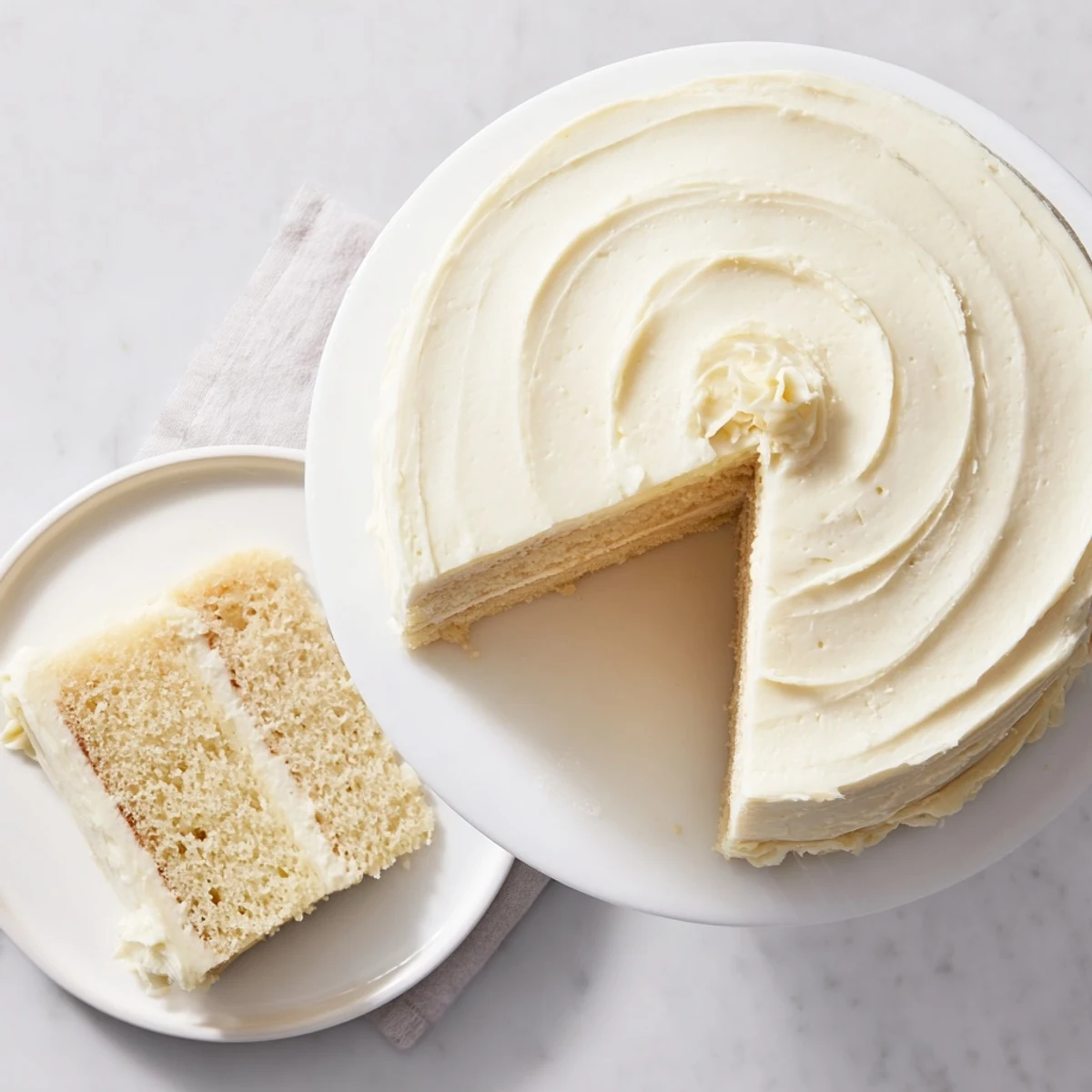
 There's a reason vanilla cake has remained a classic through all the food trends that come and go. Some things just work, and this recipe works beautifully every single time.
Recipe FAQs
- → How do I know when the cake is done baking?
-
Insert a wooden toothpick into the center of the cake. If it comes out clean or with just a few moist crumbs, the cake is ready. The edges should also pull slightly away from the pan.
- → Can I make this cake ahead of time?
-
Yes, bake the layers up to 2 months in advance. Wrap cooled cakes tightly in plastic wrap and freeze. Thaw overnight at room temperature before frosting.
- → Why is my cake dense or dry?
-
Overmixing the batter can create a dense texture. Mix until just combined. Using cold ingredients can also affect the result, so ensure butter, eggs, and milk are at room temperature.
- → How should I store the finished cake?
-
Keep the frosted cake at room temperature under a cake dome or covered for up to 3 days. For longer storage, refrigerate for up to a week, though bring to room temperature before serving.
- → Can I use cake flour instead of all-purpose?
-
Yes, cake flour will produce an even lighter, more tender crumb. Use the same amount by weight or volume for substitution.
- → What's the best way to get flat cake layers?
-
Smooth the batter evenly in the pans and tap gently on the counter to release air bubbles. Avoid overfilling pans—each pan should be no more than two-thirds full.