
 Pin it
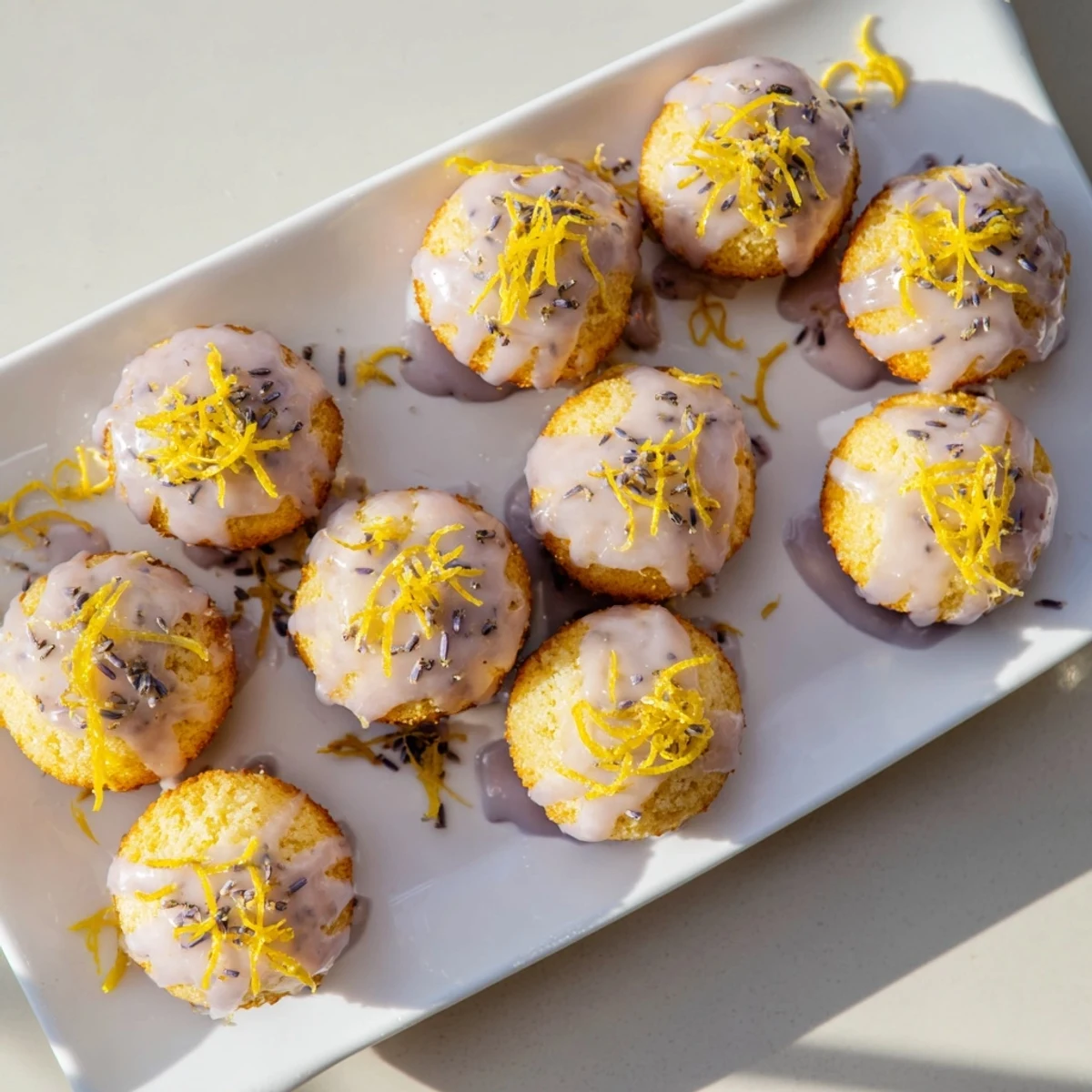
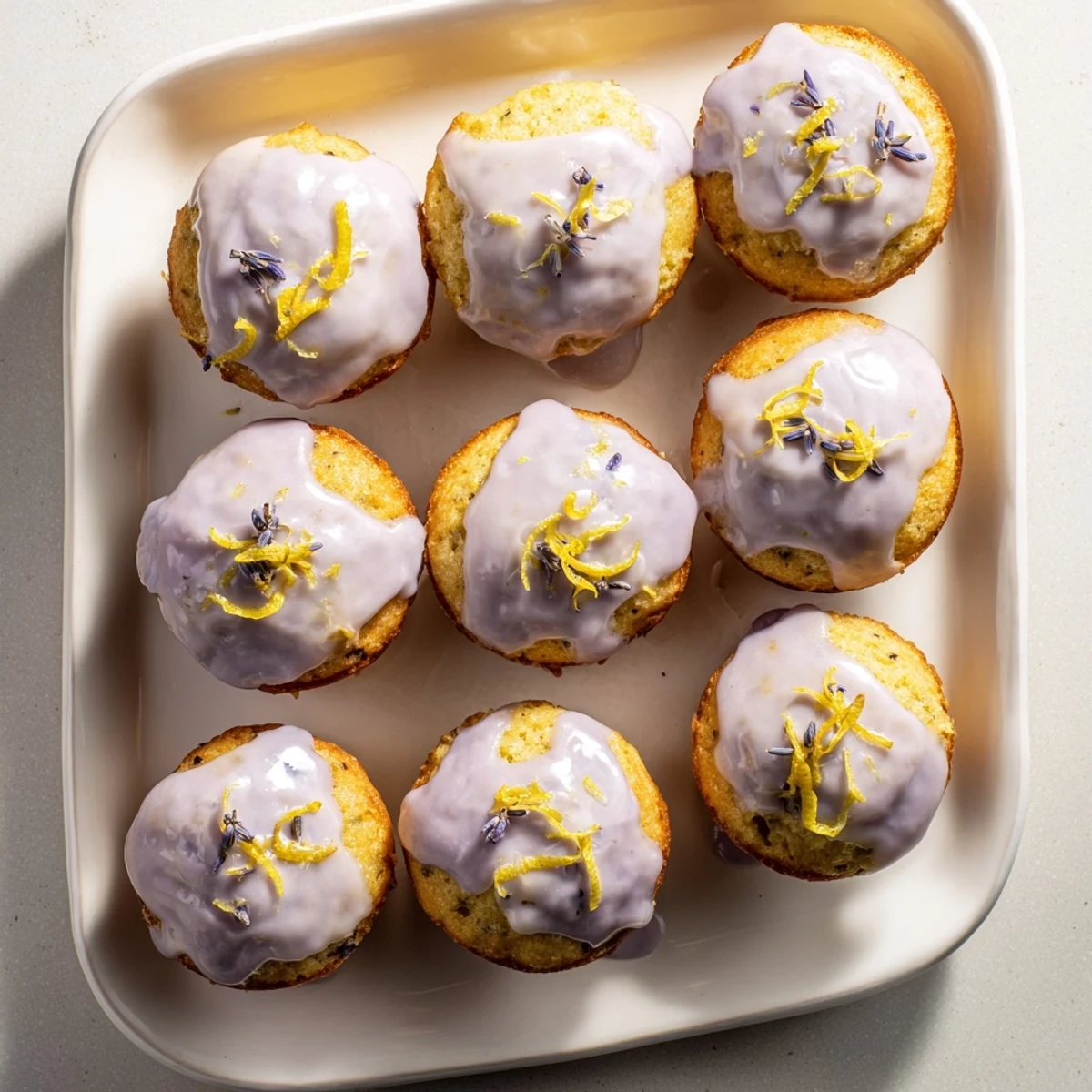
 These delicate mini cakes combine bright lemon flavor with the subtle floral notes of lavender. The tender crumb comes from proper creaming technique and careful folding of ingredients, while the fragrant glaze adds both sweetness and visual appeal. Each bite offers a perfect balance of citrus brightness and gentle floral essence.
The first time I made these mini lemon cakes, my tiny apartment smelled like a French bakery in spring. I had bought culinary lavender on impulse and spent weeks wondering what to actually do with it until a rainy Sunday convinced me to experiment. When I pulled that first batch from the oven, the combination of bright citrus and soft floral perfume felt like discovering something ancient and familiar all at once. Now they are my go-to when I need to make something that says I put real thought into this.
I brought these to a friend's garden party last summer and watched her grandmother close her eyes after the first bite. She told me it reminded her of the lemon cakes her mother made for special occasions in Provence, and honestly that moment made the whole afternoon. The way sunlight caught the little glaze drips while we sat around her patio table is a memory I keep coming back to whenever I zest lemons now.
Ingredients
- 1 1/2 cups all-purpose flour: The foundation that gives these cakes their tender crumb without becoming dense or heavy
- 1/2 teaspoon baking powder: Works with the baking soda to create just the right amount of lift for mini cakes that puff up beautifully
- 1/4 teaspoon baking soda: Balances the acidity from the lemon juice while helping the cakes rise
- 1/4 teaspoon salt: Essential for enhancing all the flavors and preventing the cakes from tasting flat
- 1/2 cup unsalted butter: Room temperature butter creates the perfect texture when creamed with sugar
- 1 cup granulated sugar: Sweetens the cakes while helping create that lovely golden crust
- 2 large eggs: Bind everything together and add structure and richness
- 2 tablespoons lemon zest: This is where all that bright citrus flavor lives, so zest generously
- 1/4 cup fresh lemon juice: Adds tanginess and activates the baking soda for extra tenderness
- 1/2 teaspoon pure vanilla extract: Rounds out the citrus and adds warmth
- 1/2 cup whole milk: Creates moisture and helps create a tender batter
- 1/4 cup whole milk for glaze: Steeped with lavender to infuse the frosting with floral flavor
- 1 teaspoon culinary lavender buds: Make absolutely sure these are labeled culinary grade and not meant for sachets
- 1 cup powdered sugar: Sifted to prevent lumps in your glaze
- 1/2 teaspoon lemon juice: Just enough to thin the glaze while adding brightness
Instructions
- Get your oven ready:
- Preheat to 350°F and grease your mini bundt pan or muffin tin thoroughly because these little cakes love to stick if you are not careful
- Whisk the dry ingredients:
- In a medium bowl, combine the flour, baking powder, baking soda, and salt until everything is evenly distributed
- Cream butter and sugar:
- Beat the butter and sugar together for 2 to 3 minutes until the mixture is pale and fluffy, which is absolutely crucial for tender cakes
- Add the eggs and flavor:
- Beat in the eggs one at a time, then stir in that bright lemon zest, fresh juice, and vanilla until fragrant
- Combine everything:
- Add the flour mixture in three parts, alternating with the milk, starting and ending with flour, and mix until just combined
- Fill and bake:
- Divide the batter among your prepared cups, filling them about two thirds full, and bake for 17 to 20 minutes until a toothpick comes out clean
- Cool completely:
- Let the cakes rest in the pan for 10 minutes before moving them to a wire rack, because patience prevents breakage
- Infuse the milk:
- Heat the glaze milk until it just simmers, add the lavender buds, and let it steep for 10 minutes to extract all that floral goodness
- Strain and mix:
- Strain out the lavender buds and whisk the infused milk with powdered sugar and lemon juice until smooth and pourable
- Finish beautifully:
- Drizzle the glaze over the completely cooled cakes and add a sprinkle of zest or edible lavender if you are feeling fancy
 Pin it
 These became my signature at our monthly book club meetings after everyone voted them the best thing I had ever made. There is something about serving individual cakes that makes people feel especially cared for, like each person got their own little present.
Making Them Ahead
I have learned that the cakes actually taste better on day two because the lemon flavor has time to settle into every crumb. Bake them a day in advance and store them in an airtight container, then add the glaze right before serving so they stay fresh and lovely.
Serving Suggestions
These pair beautifully with Earl Grey tea or a glass of sparkling wine if you want to feel especially fancy. I have also served them alongside fresh berries and whipped cream for an elegant dessert that never fails to impress.
Little Details That Matter
The secret to really bright lemon flavor is zesting your lemons before you juice them, so plan accordingly. Room temperature ingredients make a huge difference in how well the batter comes together.
- Use a microplane for the finest, most aromatic zest
- Brush the cooled cakes with a little extra lemon juice before glazing for an extra punch
- Sift the powdered sugar to avoid any lumps in your beautiful glaze
 Pin it
 There is something profoundly satisfying about serving something so small and pretty that tastes this good. Hope these little cakes find their way into your kitchen and onto your table.
Recipe FAQs
- → Can I make these ahead of time?
-
Yes, bake the cakes up to 2 days in advance. Store in an airtight container and glaze shortly before serving for the freshest appearance and texture.
- → What if I don't have culinary lavender?
-
You can substitute dried rose petals, elderflowers, or simply make a classic lemon glaze without the floral element. The citrus flavor remains delicious on its own.
- → Can I use regular-sized muffin pans?
-
Absolutely. Fill standard muffin cups about 2/3 full and increase baking time to 20-25 minutes. You'll get about 8-10 standard-sized cakes instead of 12 minis.
- → How do I know when the cakes are done?
-
Insert a toothpick into the center of a cake. If it comes out clean or with just a few moist crumbs, they're ready. The tops should spring back lightly when touched.
- → Can I freeze these unglazed?
-
Yes, wrap cooled unglazed cakes tightly in plastic wrap and freeze for up to 3 months. Thaw at room temperature and add glaze before serving.