
 Pin it
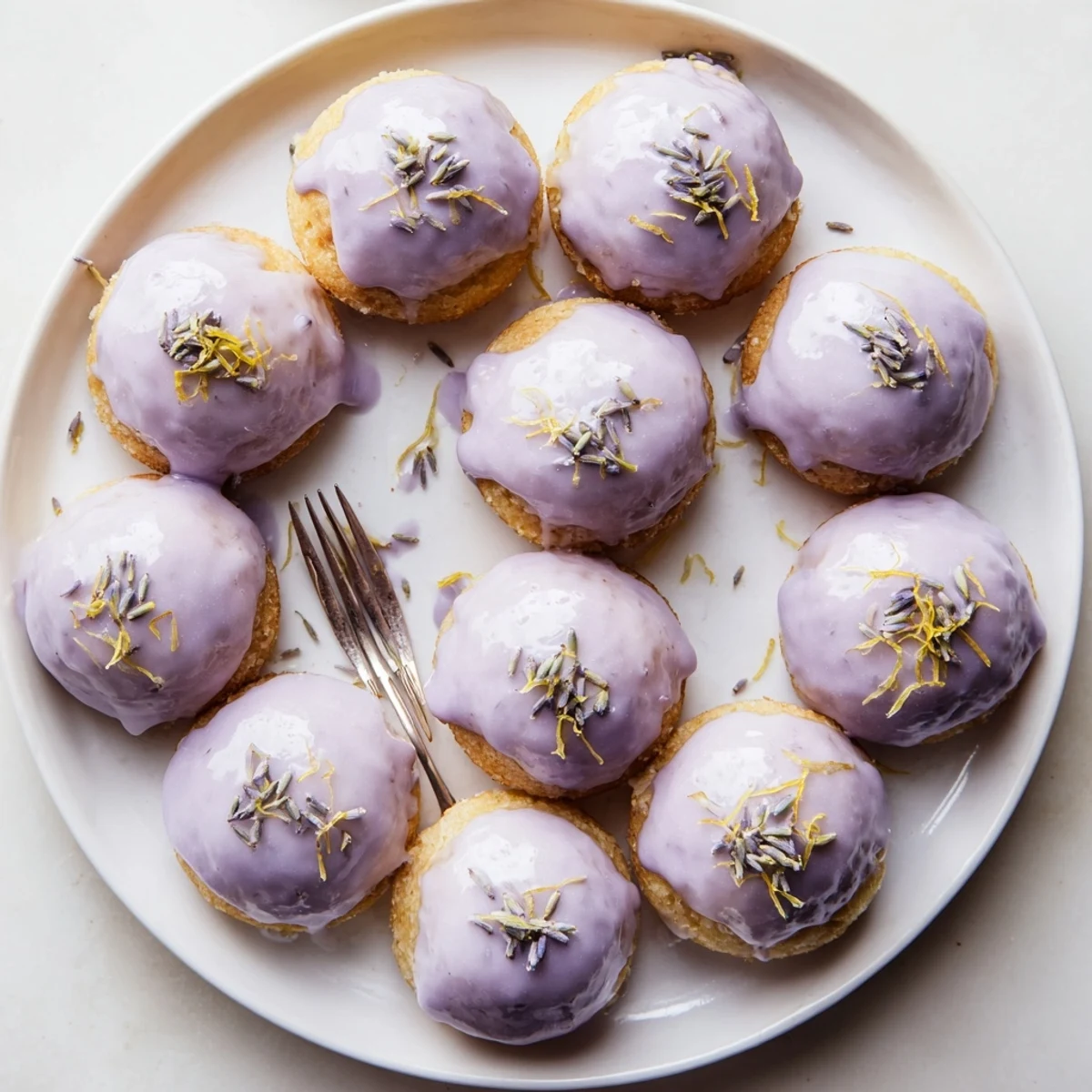
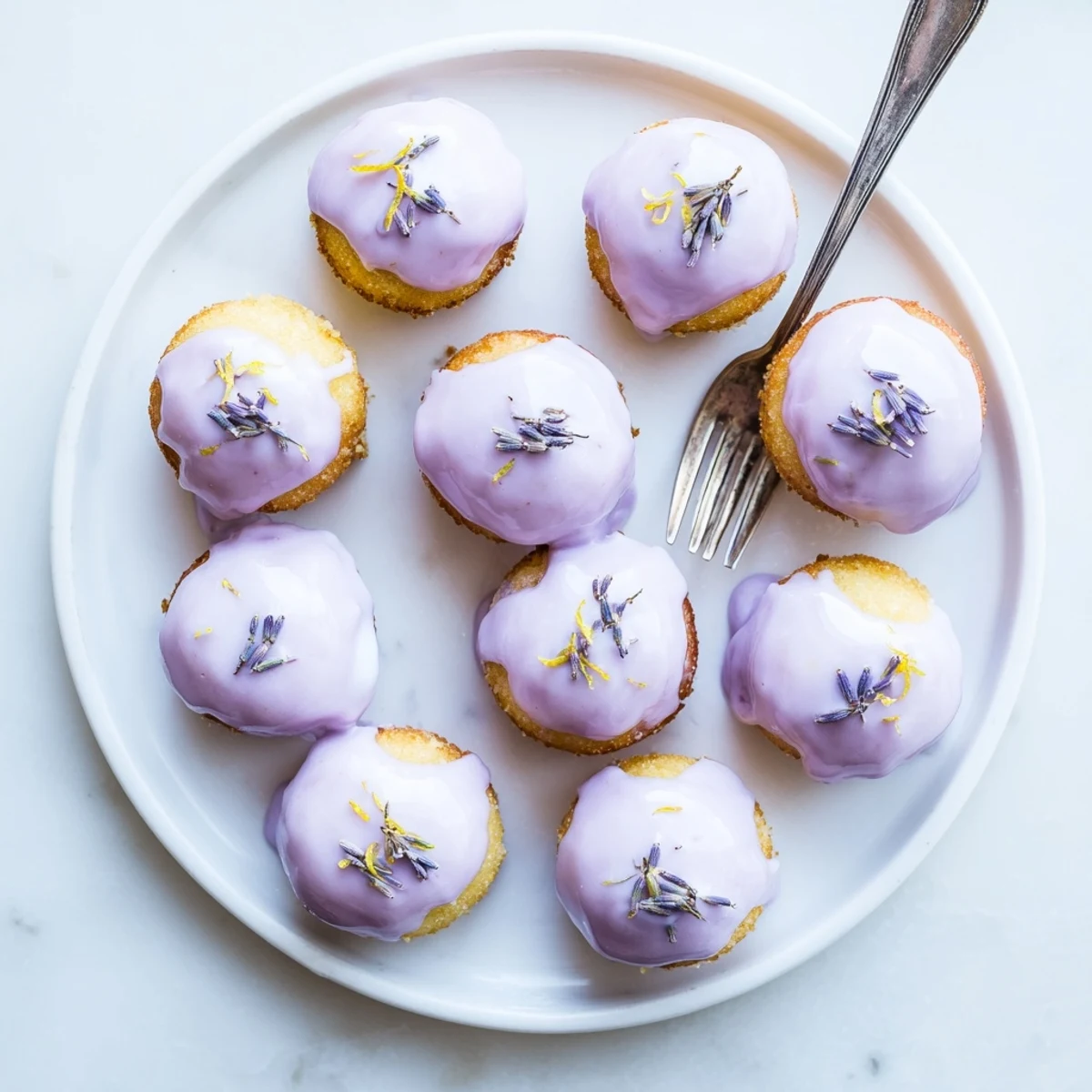
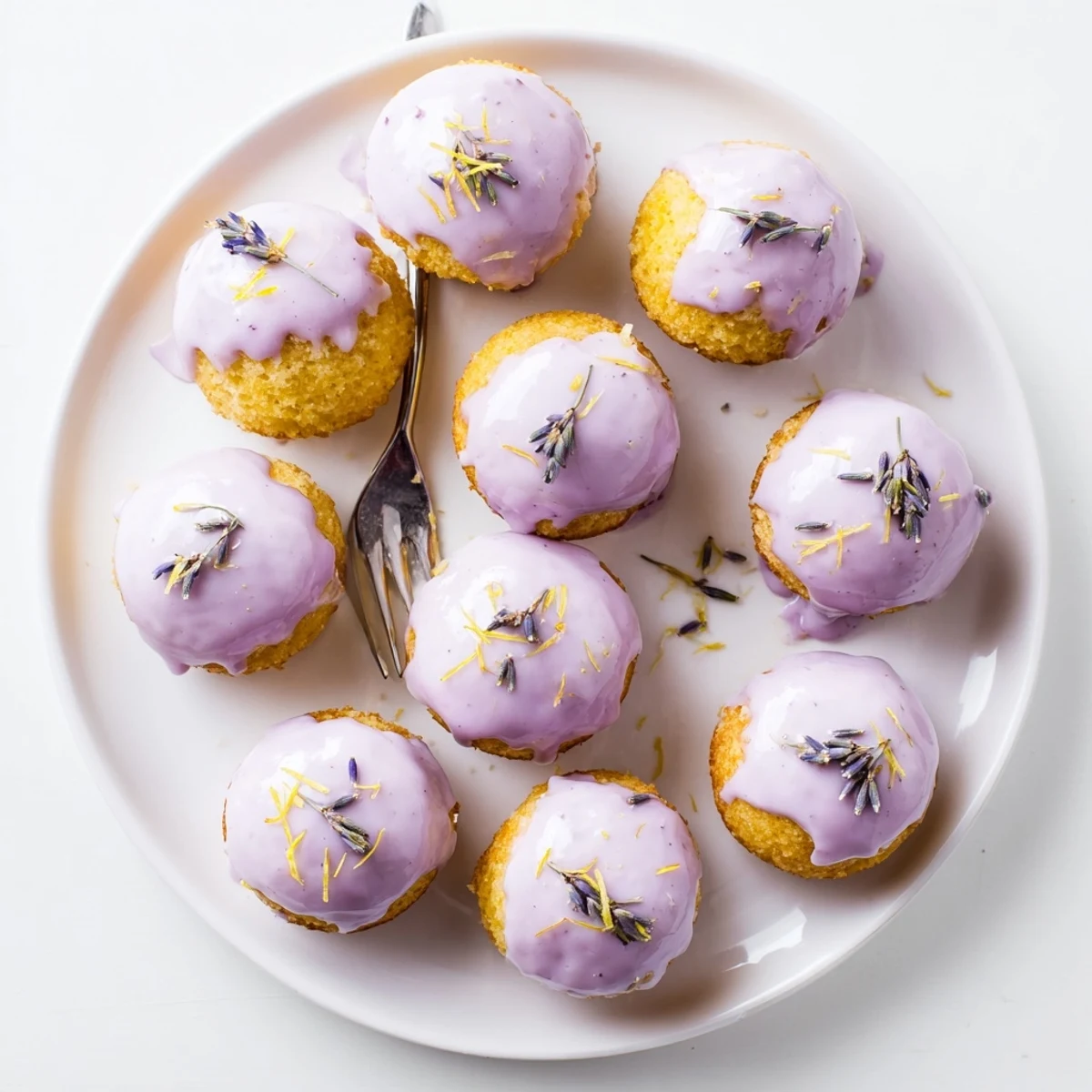
 These mini lemon cakes deliver a bright citrus flavor in a tender, buttery crumb, finished with a fragrant lavender-infused glaze that adds a floral elegance. Ready in under 40 minutes, they bake up golden in a standard muffin tin and cool quickly before receiving their sweet, aromatic topping. The glaze balances powdered sugar with ground culinary lavender and fresh lemon juice for a pourable consistency that sets beautifully. Serve them alongside hot tea or sparkling wine for a refined afternoon treat. You can strengthen the lavender note by infusing the glaze milk ahead of time, and unglazed cakes keep well for two days in an airtight container.
I bought a tiny jar of culinary lavender on a whim at a farmers market and had no idea what to do with it until a rainy Sunday pushed me into the kitchen. Something about that gray afternoon made me want to bake something small and fragrant, the kind of treat that makes you slow down without meaning to.
I brought a plate of these to a friend's porch that same evening and watched her eyes close when she took the first bite. She said it tasted like spring got compressed into something you could hold in your hand, which honestly felt like the best review I have ever received.
Ingredients
- All-purpose flour (130 g): The base that gives these cakes their tender crumb without making them heavy
- Granulated sugar (100 g): Sweetens just enough to balance the tart lemon and floral lavender
- Unsalted butter, softened (60 g): Room temperature butter is nonnegotiable here or your batter will look curdled and sad
- Large eggs (2): Adds structure and richness so the cakes hold their shape in those small molds
- Whole milk (60 ml): Keeps the crumb soft and helps bridge the wet and dry ingredients
- Fresh lemon juice (2 tbsp): Brightens every single bite and reacts with the baking soda for extra lift
- Lemon zest (1 tbsp): This is where most of the lemon flavor actually lives so do not skip it
- Baking powder (1/2 tsp): Gives the cakes their gentle dome
- Baking soda (1/4 tsp): Pairs with the lemon juice for a little extra rise
- Fine salt (1/4 tsp): Wakes up all the other flavors
- Vanilla extract (1/2 tsp): Rounds out the lemon and lavender so nothing feels sharp
- Powdered sugar, sifted (120 g): Creates that smooth glaze texture without any grit
- Whole milk for glaze (1 1/2 tbsp): Thins the glaze to just the right pouring consistency
- Culinary lavender buds, finely ground (1/2 tsp): Make sure it says culinary or you will end up with potpourri flavor
- Fresh lemon juice for glaze (1 tbsp): Keeps the glaze from tasting flat and too sweet
Instructions
- Get your oven and pan ready:
- Preheat to 350°F (175°C) and grease every crevice of a 12-mold mini cake pan. Missing a spot means stuck cakes and a miserable time.
- Cream the butter and sugar:
- Beat them together until the mixture turns pale and fluffy, about two full minutes of patience.
- Add the eggs slowly:
- Drop them in one at a time, mixing until each disappears before adding the next. Then stir in the lemon zest, lemon juice, and vanilla.
- Whisk the dry ingredients:
- Combine the flour, baking powder, baking soda, and salt in a separate bowl so everything distributes evenly.
- Bring the batter together:
- Alternate adding the dry mix and milk, starting and ending with the flour. Stop mixing the moment you see no more dry streaks.
- Fill the molds:
- Divide the batter evenly among all 12 molds, filling each about three quarters full.
- Bake until done:
- Slide them in for 16 to 18 minutes until a toothpick comes out clean. Let them rest in the pan for 5 minutes before moving to a wire rack.
- Make the lavender glaze:
- Whisk the sifted powdered sugar, milk, ground lavender, and lemon juice until smooth and just pourable.
- Finish with flair:
- Drizzle the glaze over completely cooled cakes and scatter a few extra lavender buds or lemon zest on top if you feel like it.
 Pin it
 My mother in law tried one of these and immediately asked for the recipe, which in my family is the highest form of currency. I wrote it on the back of a grocery receipt and she still has it taped inside her kitchen cabinet.
Getting the Lavender Right
Too much lavender turns these cakes into something that tastes like soap and perfume had a baby. Start with the half teaspoon called for and taste the glaze before you commit. You can always add more but you cannot undo it once it is in there.
Make Ahead Strategy
Bake the cakes a day or two before you need them and keep them unglazed in an airtight container on the counter. The glaze goes on in about three minutes right before serving, which means you get that fresh-made feeling without the last minute panic.
Serving Suggestions
A hot cup of Earl Grey is the most natural pairing because the bergamot echoes the floral lavender without competing with it. A crisp sparkling wine works beautifully if you are leaning into the fancy afternoon angle.
- Arrange them on a tiered stand if you want that proper tea service look
- Sprinkle a tiny pinch of flaky salt on the glaze for a sweet and salty surprise
- Keep a few unglazed in the freezer for unexpected guests
 Pin it
 These little cakes have a way of making an ordinary Tuesday feel like a small occasion worth celebrating. Sometimes that is exactly what you need.
Recipe FAQs
- → Can I use dried lavender from my garden instead of culinary lavender?
-
Only use lavender that is specifically labeled culinary or food-grade. Garden lavender may contain pesticides or varieties with overly strong, soapy flavors that don't work well in baking.
- → How do I prevent the mini cakes from sticking to the pan?
-
Generously grease each mold with softened butter or nonstick spray. For extra insurance, dust the greased molds lightly with flour before adding the batter.
- → Can I make the batter ahead of time?
-
It's best to bake the batter right after mixing, as the leavening agents begin working immediately. However, you can bake the cakes fully and store them unglazed for up to two days.
- → What's the best way to grind lavender buds finely?
-
Use a mortar and pestle or a clean coffee grinder reserved for spices. Pulse briefly until the buds break down into a fine powder, which ensures the glaze is smooth.
- → Can I substitute the all-purpose flour with a gluten-free blend?
-
A 1:1 gluten-free baking flour blend should work, though the texture may be slightly denser. Check that your blend includes xanthan gum for proper structure.
- → How should I store leftover glazed cakes?
-
Keep glazed cakes in a single layer in an airtight container at room temperature for one day, or refrigerate for up to three days. The glaze may soften slightly in the fridge.