
 Pin it
 This delicate lavender-infused glaze brings subtle floral elegance to your favorite baked treats. The process begins by gently heating whole milk with dried culinary lavender, creating a fragrant infusion that steeps for maximum flavor extraction. After straining, the aromatic milk blends seamlessly with powdered sugar, creating a smooth, pourable topping that sets beautifully on cooled confections. The optional lemon juice adds bright complexity that enhances the natural lavender essence.
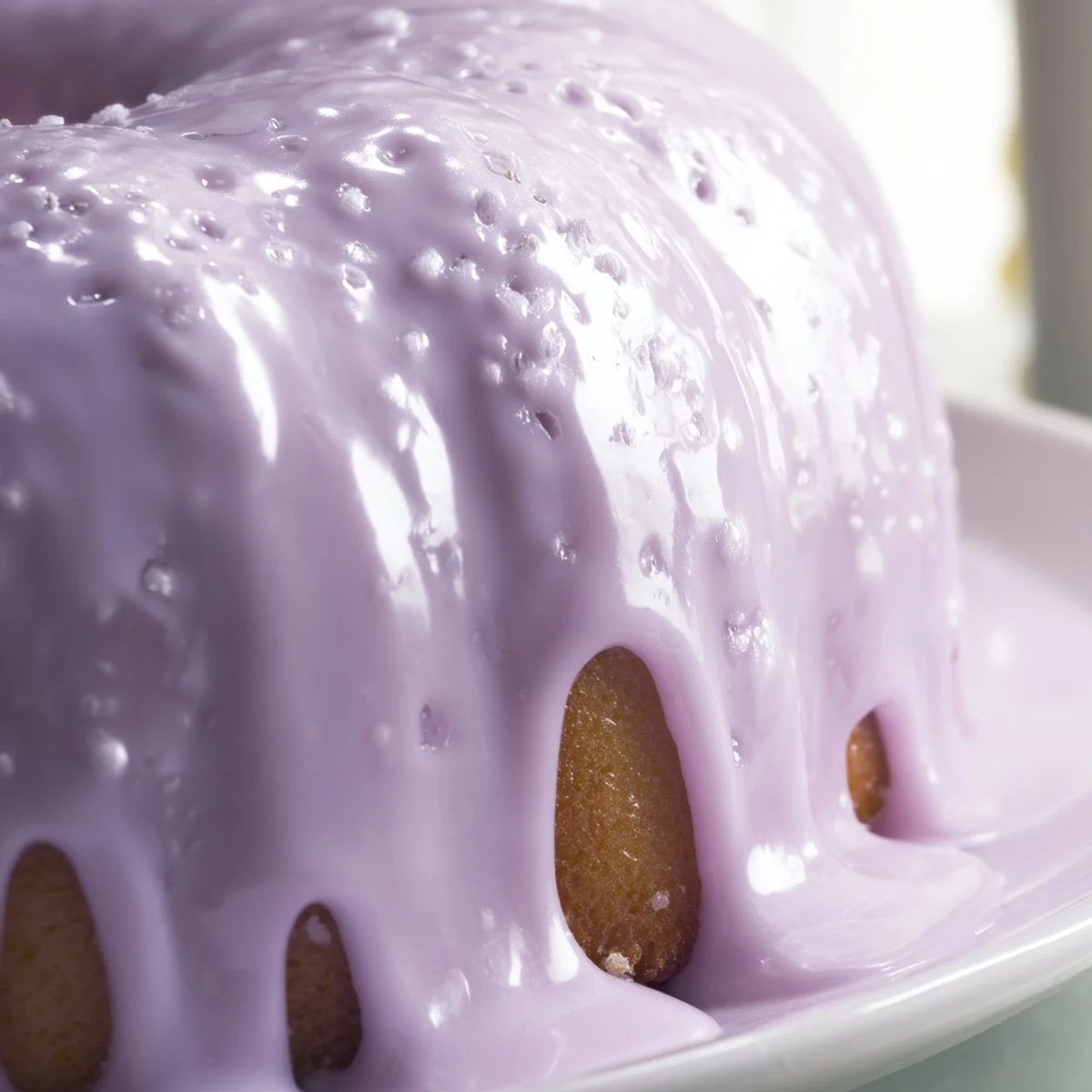
Perfect for drizzling over pound cake, scones, sugar cookies, or bundt cakes, this versatile topping adds sophistication to any dessert spread. Adjust the consistency easily by varying the milk quantity for thicker spreads or thinner glazes. For a stunning visual presentation, consider adding a single drop of natural food coloring to achieve a soft purple hue that hints at the floral flavor within.
The first time I made lavender glaze, I was running late for a garden party and needed something elegant fast. My grandmother had given me a jar of culinary lavender from her trip to Provence, and I'd been looking for the perfect excuse to use it. The moment that floral scent hit the warm milk, my entire kitchen smelled like walking through a French herb garden at dusk. Now I keep a small jar of dried lavender in my pantry just for moments like this.
Last spring, I drizzled this over a simple vanilla bundt cake for my book club meeting. Everyone kept asking where I bought it, genuinely surprised I'd made it myself in under ten minutes. There's something magical about watching that silky, fragrant glaze cascade down the sides of a cake, pooling in pretty patterns at the bottom. My friend Sarah now makes it every time she bakes scones for weekend brunch.
Ingredients
- Dried culinary lavender: Only use food-grade lavender since ornamental varieties can be treated with chemicals or taste harsh and bitter
- Whole milk: Creates a richer base that carries the floral flavor beautifully, though any milk works in a pinch
- Powdered sugar: Essential for that smooth, glossy finish that regular granulated sugar just can't achieve
- Lemon juice: Brightens the lavender and prevents the glaze from becoming cloyingly sweet
Instructions
- Steep the lavender:
- Combine milk and lavender in a small saucepan over low heat, watching carefully until you see the first wisps of steam rising, then remove immediately to prevent scalding the delicate floral oils.
- Infuse and strain:
- Let the mixture sit undisturbed for about five minutes so the lavender fully releases its fragrance, then pour through a fine-mesh strainer to catch all the little buds.
- Mix the glaze:
- Whisk powdered sugar with the lavender milk, starting with less liquid than you think you need, until the mixture becomes silky and ribbons off the whisk.
- Perfect the texture:
- Add milk one teaspoon at a time if it's too thick, or sift in more sugar if it's too runny, aiming for something that flows slowly like warm honey.
- Finish with flair:
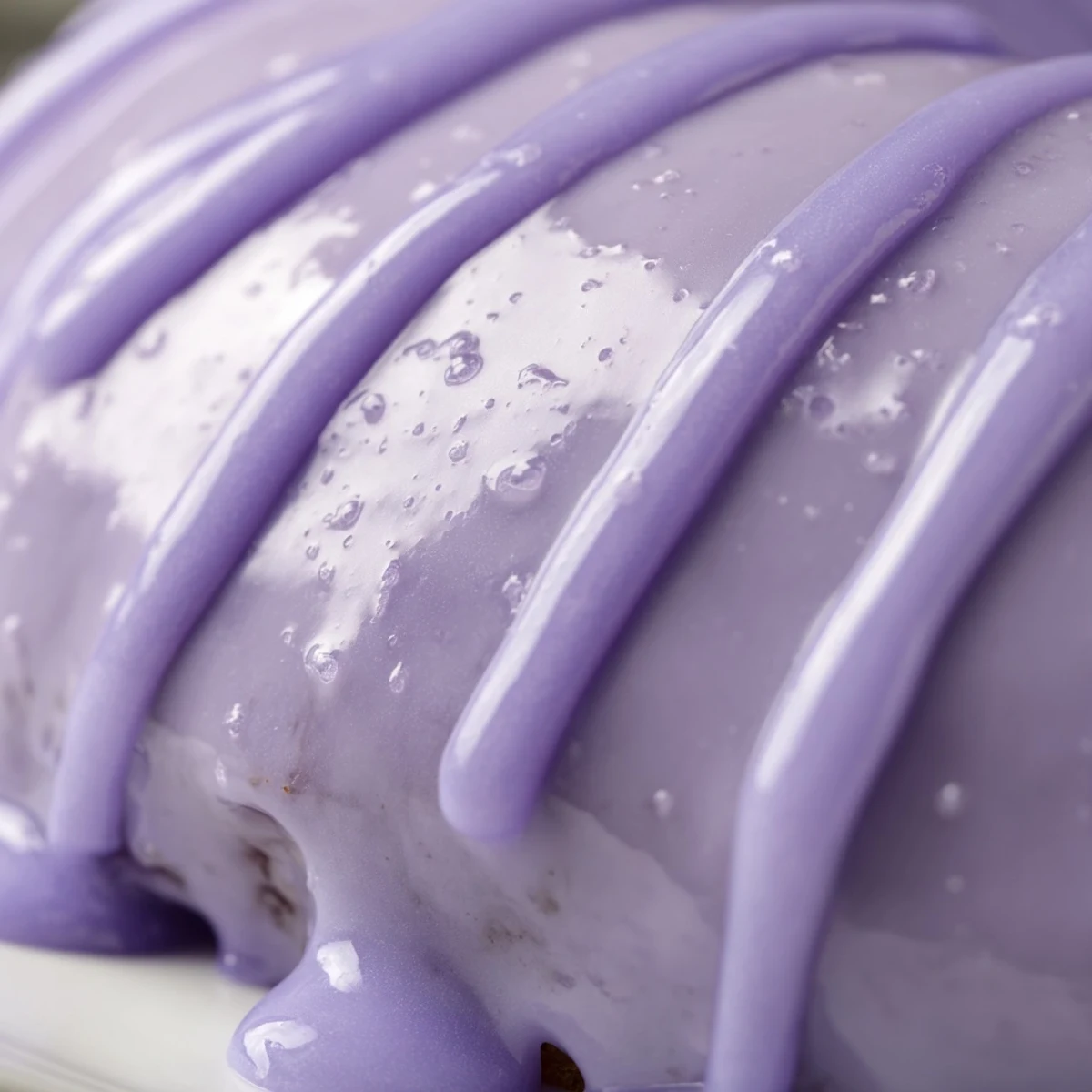
- Pour over completely cooled baked goods and let gravity do the work, giving the pan a gentle tilt to help the glaze reach all the edges.
 Pin it
 Something about this glaze makes any weekday dessert feel special, like a little gift to yourself. My daughter now requests it on her birthday cupcakes every year, saying the regular buttercream is 'too boring' compared to the pretty lavender one.
Getting The Consistency Right
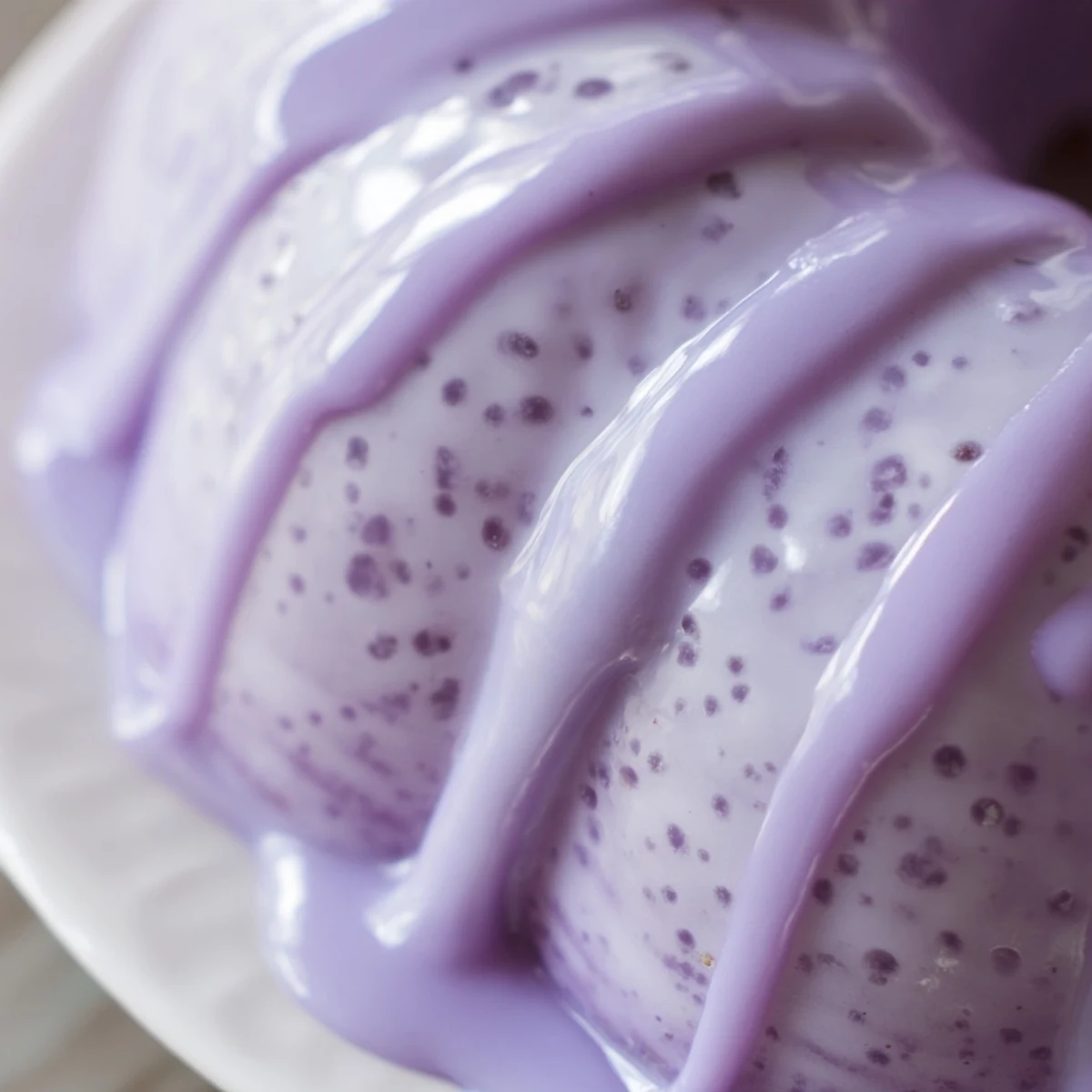
I've learned that different brands of powdered sugar absorb liquid differently, so start with less milk than the recipe calls for. The glaze should pour off a spoon in a steady stream but not spread thin like water. If you accidentally make it too thin, just sift in more powdered sugar a tablespoon at a time until it thickens back up.
Flavor Variations
Sometimes I swap the lemon juice for a drop of vanilla extract or a pinch of honey for a warmer, more rounded flavor profile. You can also mix in a tiny bit of lemon zest for extra brightness, or add a few drops of natural food coloring if you want that dreamy purple hue.
Serving Suggestions
This glaze works beautifully on anything that needs a touch of elegance, from simple sugar cookies to elaborate layer cakes. I especially love it over vanilla or lemon-flavored baked goods where the lavender can really shine through.
- Try it over warm scones fresh from the oven for a cozy morning treat
- Drizzle over a plain pound cake and let it set before serving for the most beautiful presentation
- Keep leftover glaze covered in the fridge for up to three days and gently reheat to use again
 Pin it
 There's something deeply satisfying about turning a few simple ingredients into something so unexpectedly lovely. Happy baking.
Recipe FAQs
- → Can I use fresh lavender instead of dried?
-
Fresh lavender can be used, but dried culinary lavender provides more consistent flavor. If using fresh, increase the amount to 3 tablespoons and ensure the flowers are pesticide-free and intended for culinary use. The essential oils are more concentrated in dried buds, giving better results.
- → How long will this glaze stay fresh?
-
The glaze will keep in an airtight container in the refrigerator for up to one week. Allow it to come to room temperature and whisk briefly before using, as it may thicken when chilled. For longer storage, you can freeze the base for up to three months.
- → What can I substitute for whole milk?
-
Any milk variety works well, including skim, almond, oat, or coconut milk. Non-dairy alternatives may slightly alter the flavor profile but won't affect the glazing properties. Coconut milk pairs particularly well with the floral lavender notes.
- → Why did my glaze turn out too thick or thin?
-
The glaze consistency depends on humidity, temperature, and exact liquid measurements. If too thick, add additional lavender-infused milk one teaspoon at a time. If too thin, gradually incorporate more powdered sugar until reaching the desired spreading consistency.
- → Can I make this glaze ahead of time?
-
Yes, prepare the lavender-infused milk up to 24 hours in advance and store it refrigerated. Complete the glaze by whisking in powdered sugar just before serving. This timing ensures the lavender flavors fully develop while maintaining the fresh, smooth texture.
- → What types of desserts work best with this glaze?
-
Delicate baked goods that won't overpower the subtle floral notes are ideal. Classic choices include lemon pound cake, vanilla scones, sugar cookies, and angel food cake. The glaze also complements lavender-flavored baked items, creating a layered floral experience.