
 Pin it
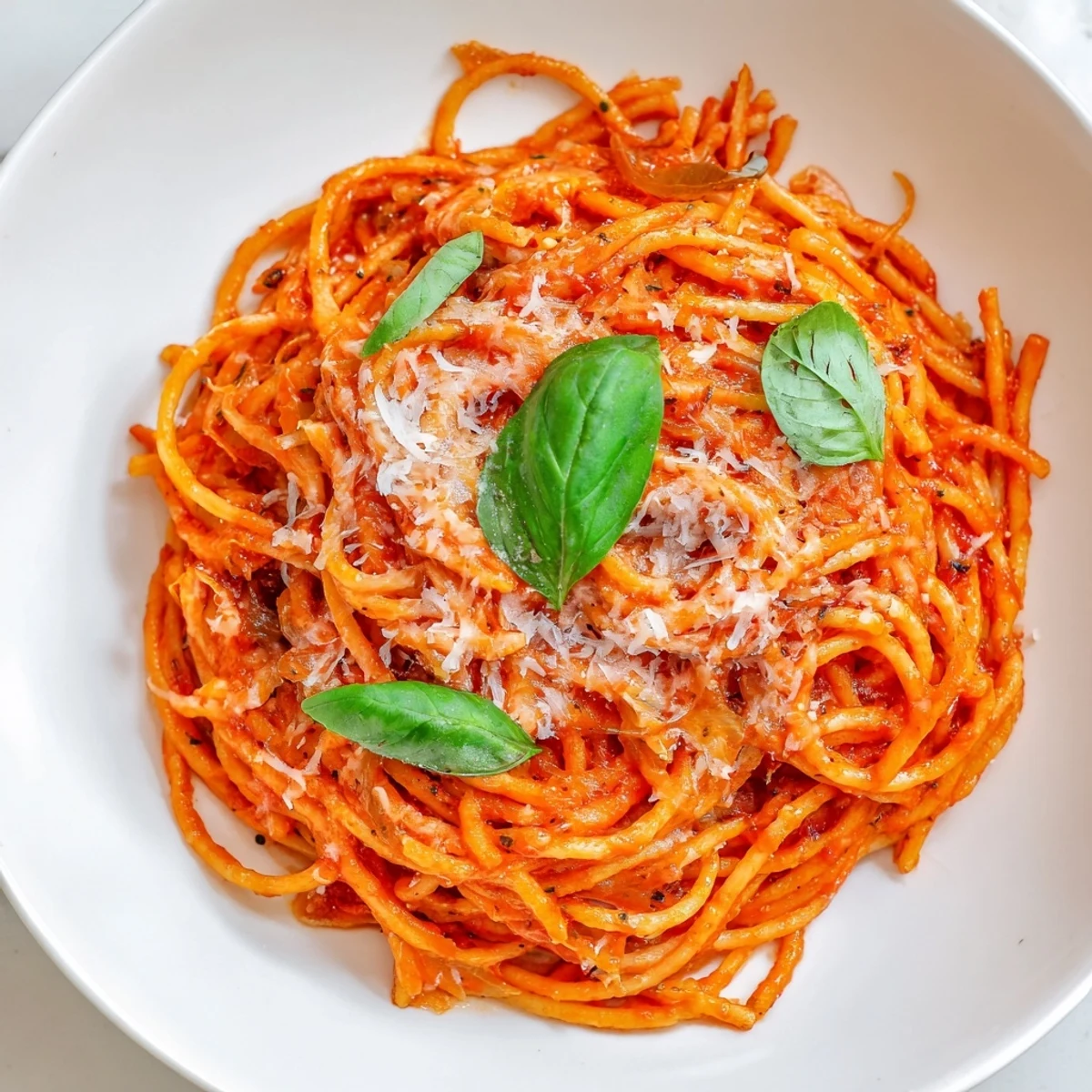
 This classic Italian pasta features tender noodles coated in a vibrant tomato sauce. The sauce starts with aromatic onions and garlic, simmers with crushed tomatoes and dried herbs, and creates a perfectly balanced flavor profile. Ready in just 30 minutes, this vegetarian main dish yields four satisfying servings and can be customized with a sprinkle of Parmesan or fresh basil garnish.
The rain was hammering against the kitchen window and I had nothing planned for dinner, so I grabbed a box of spaghetti and a can of tomatoes and decided to figure it out. That night turned into one of those meals where nobody speaks much because everyone is too busy eating. It took me maybe twenty attempts before I stopped overcomplicating the sauce and let the ingredients do their thing. This is that version, the one I make when I want something honest and deeply satisfying.
My neighbor Luca once knocked on my door holding a bag of San Marzano tomatoes and told me I had been using the wrong canned tomatoes for years. He was right, and I think about him every single time I open a can now.
Ingredients
- Dried pasta (400 g): Spaghetti is classic but penne holds the sauce beautifully in every bite, so choose whatever shape makes you happy.
- Olive oil (2 tbsp): Use the good stuff here because you will taste it, and a fruity olive oil changes everything.
- Garlic (2 cloves, minced): Fresh is nonnegotiable and the jarred version simply does not carry the same punch.
- Onion (1 medium, finely chopped): A yellow onion gives sweetness while a white one stays sharper, and either works depending on your mood.
- Canned crushed tomatoes (800 g): San Marzano tomatoes are worth the extra dollar because their natural sweetness means less sugar needed.
- Sugar (1 tsp): This little bit tames the acidity of the tomatoes and I learned this trick from an Italian grandmother at a farmers market.
- Dried oregano (1 tsp): Rub it between your palms before adding to release the oils and wake up the flavor.
- Dried basil (1 tsp): It melts into the sauce as it simmers and adds an earthy layer fresh basil cannot quite replicate.
- Salt and black pepper: Season gradually and taste as you go because you can always add more but never take it away.
- Freshly grated Parmesan (30 g): Grate it yourself from a wedge because the pre shredded kind contains anti caking agents that ruin the melt.
- Fresh basil leaves: Tear them by hand right before serving because a knife bruises the edges and turns them dark.
Instructions
- Boil the pasta with purpose:
- Fill your largest pot with water, salt it until it tastes like the sea, and bring it to a rolling boil before dropping in the pasta. Cook until just tender with a slight bite left in the center, then drain but save half a cup of that starchy water.
- Build the flavor base:
- Warm the olive oil in a wide skillet over medium heat and let the onion soften until it goes translucent and sweet. Add the garlic and stir for about a minute until your kitchen smells like an Italian kitchen should.
- Simmer the sauce:
- Pour in the crushed tomatoes along with the sugar, oregano, basil, salt, and pepper, then let it bubble uncovered for ten to twelve minutes. Stir it every few minutes and watch it thicken into something rich and glossy.
- Marry the pasta and sauce:
- Toss the drained pasta directly into the skillet with the sauce and stir vigorously so every strand or tube gets coated. Splash in a little of that reserved pasta water if the sauce feels too thick, because the starch helps it cling.
- Finish and serve:
- Plate it immediately while steaming hot and shower with grated Parmesan and torn basil leaves. Eat it standing in the kitchen if you cannot wait, because that first bite is always the best one.
 Pin it
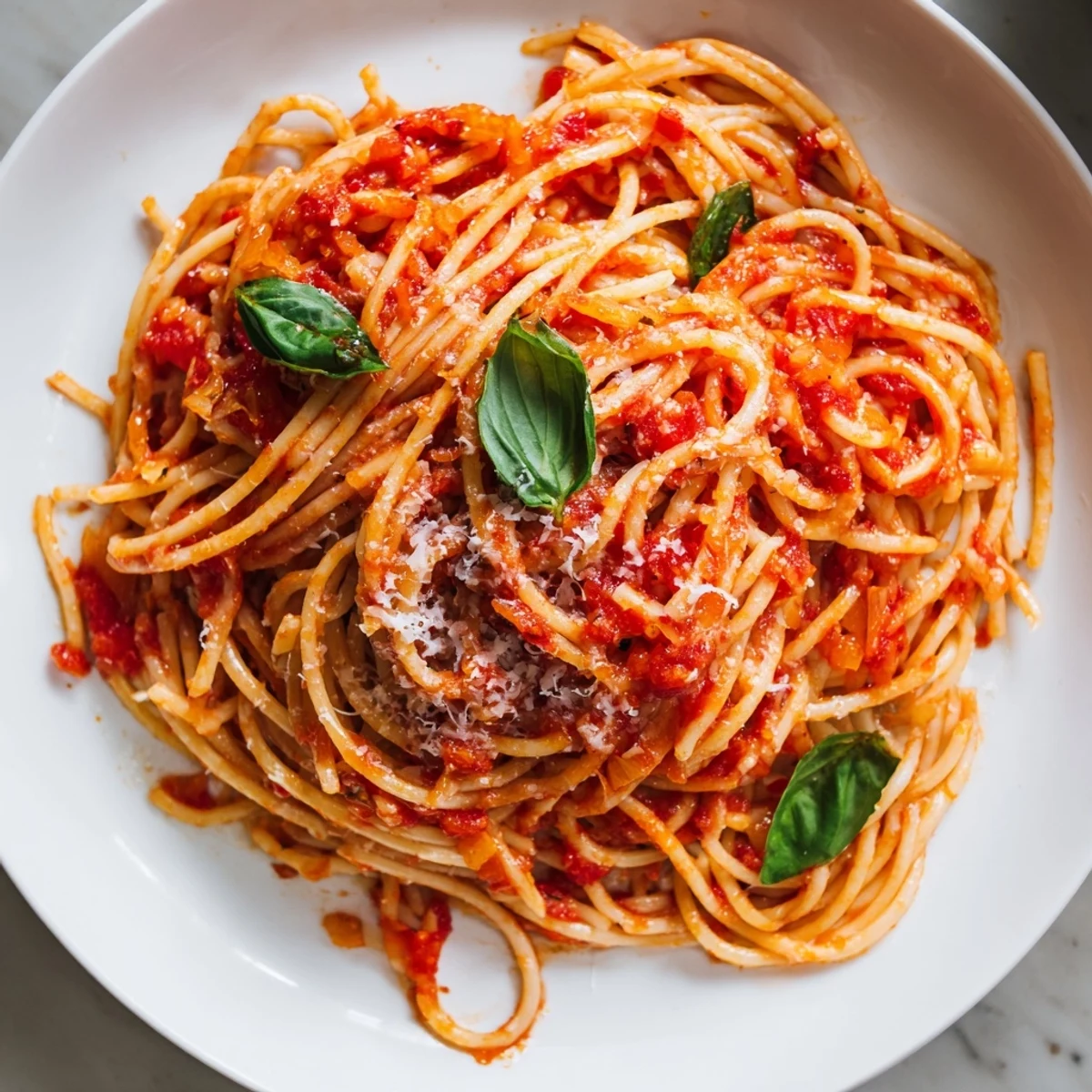
 I made this for my daughter the night she came home from her first semester of college, and she sat on the kitchen counter eating straight from the pan. Some recipes just become the backdrop for the moments you did not plan.
What to Serve Alongside
A simple arugula salad with lemon juice and a drizzle of olive oil cuts through the richness of the sauce perfectly. Crusty bread for soaking up whatever is left on the plate is never a bad idea. A glass of Chianti or any medium bodied red wine turns a weeknight dinner into something that feels like a small celebration.
Making It Your Own
Once you have the base sauce down it becomes a canvas for whatever you are craving. A pinch of chili flakes wakes everything up with gentle warmth that does not overpower the tomatoes. You can also stir in a handful of olives or capers for a puttanesca vibe, or fold in sauteed vegetables to bulk it out for a crowd.
Storage and Reheating
Leftovers keep well in the refrigerator for up to three days and the sauce actually tastes better the next day when the flavors have settled. Reheat gently in a pan with a splash of water rather than using the microwave, which can make the pasta gummy. The sauce freezes beautifully on its own for up to three months, so I always make a double batch.
- Store pasta and sauce separately if you have the discipline, because combined they get mushy overnight.
- Freeze sauce in individual portions using freezer bags laid flat for quick thawing.
- Label everything with the date because that mystery container in the back of the freezer is always a gamble.
 Pin it
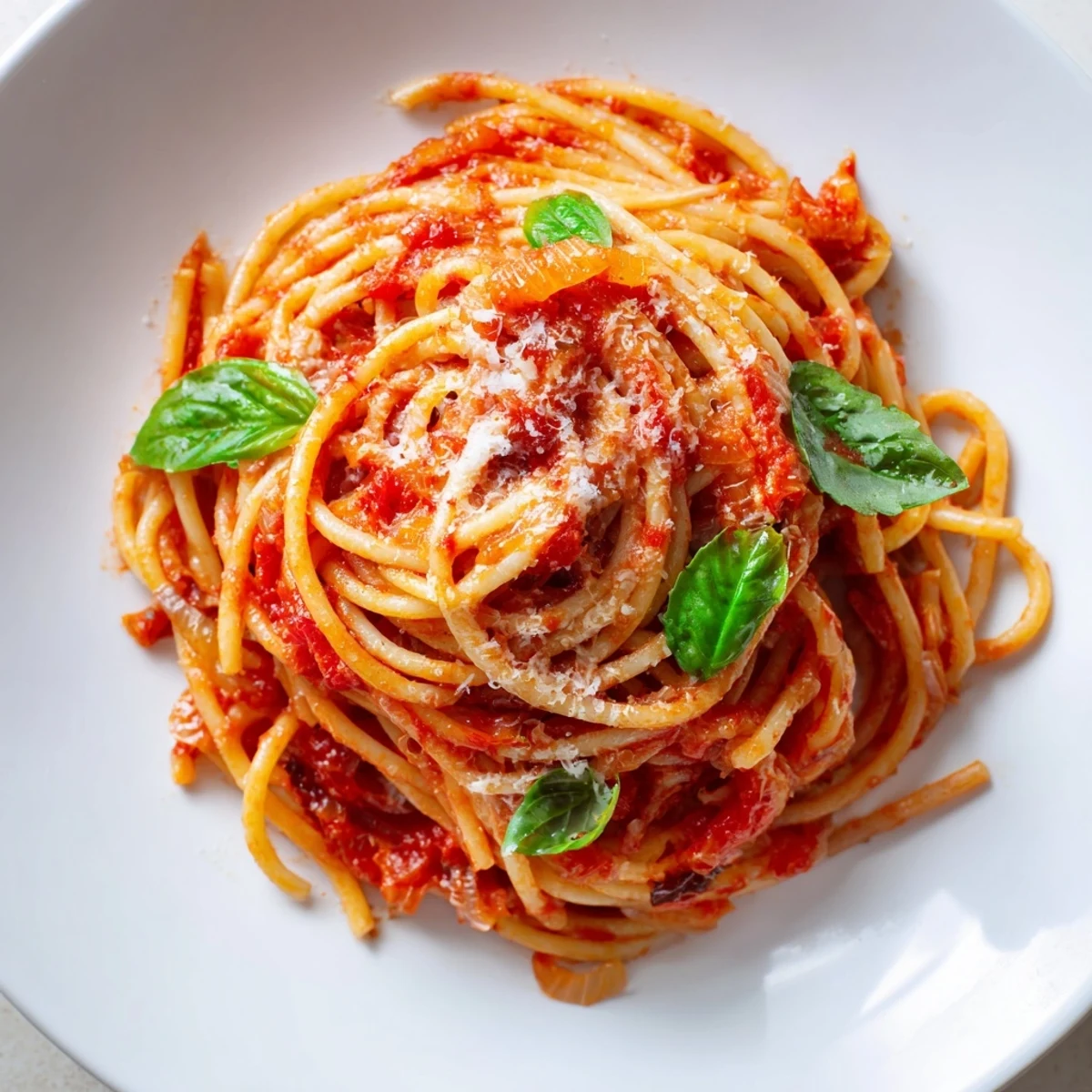
 Keep it simple, trust the tomatoes, and let the kitchen smell like home. That is really all Italian cooking asks of you.
Recipe FAQs
- → What pasta shapes work best with tomato sauce?
-
Spaghetti and penne are excellent choices as the sauce clings well to their surfaces. Other suitable options include rigatoni, fusilli, or farfalle - essentially any shape with texture that helps hold the sauce.
- → Can I use fresh tomatoes instead of canned?
-
Absolutely. Use about 1.5 kg of fresh ripe tomatoes, blanched, peeled, and crushed. Simmer slightly longer to achieve the desired consistency as fresh tomatoes release more liquid.
- → Why add sugar to the tomato sauce?
-
A small amount of sugar balances the natural acidity of canned tomatoes, creating a more rounded and pleasant flavor profile without making the sauce taste sweet.
- → How do I store leftovers?
-
Store cooled pasta and sauce separately in airtight containers in the refrigerator for up to 3 days. Reheat gently with a splash of water, adding fresh basil just before serving.
- → Can I make this vegan?
-
Simply omit the Parmesan cheese or replace it with a plant-based alternative. The pasta and tomato sauce base are naturally vegan-friendly.
- → What can I serve with this pasta?
-
A crisp green salad with vinaigrette balances the richness perfectly. Crusty bread for dipping, roasted vegetables, or a light soup also make excellent accompaniments.