
 Pin it
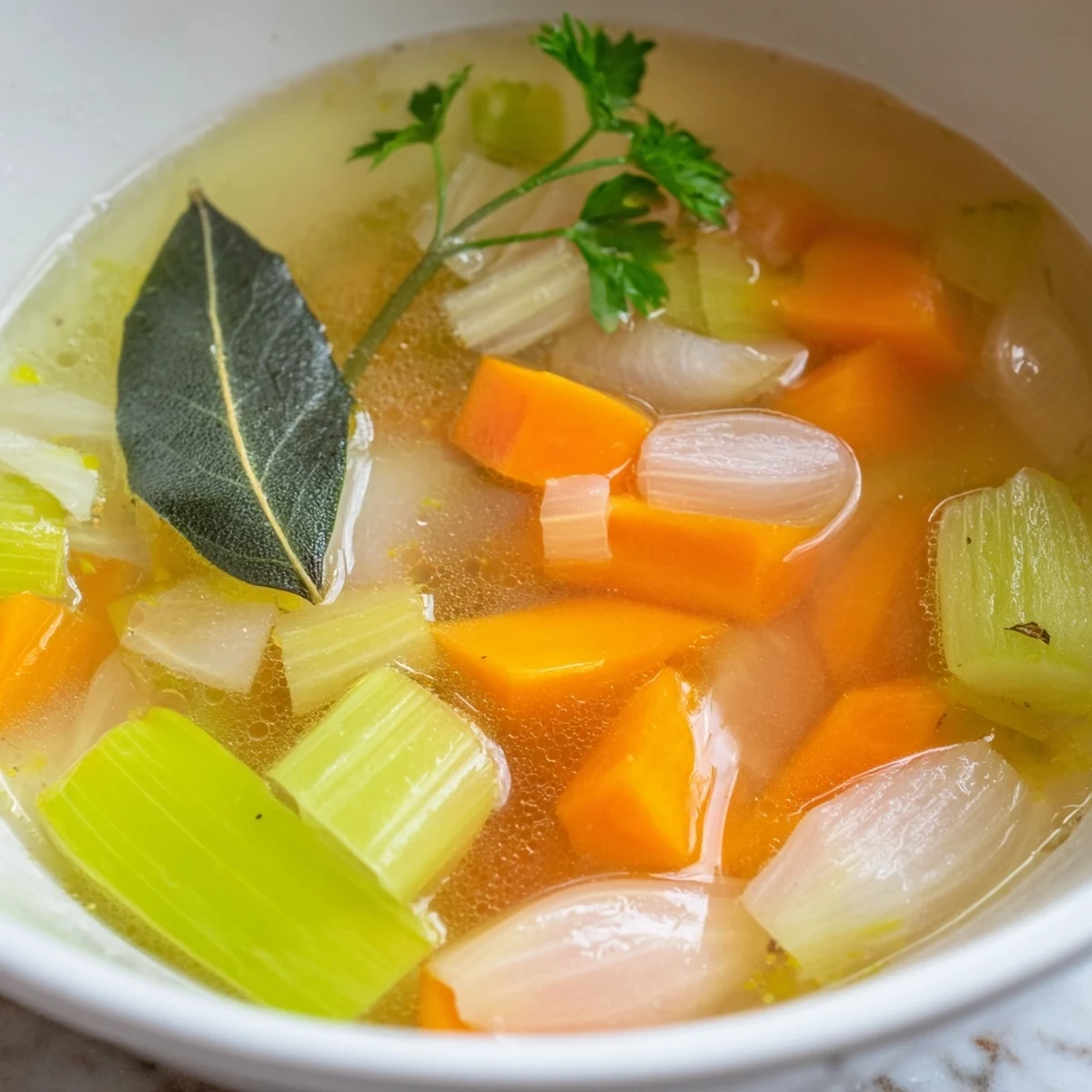
 This wholesome broth combines fresh carrots, celery, onion, leek, and optional parsnip with fragrant herbs such as parsley, thyme, dill, and bay leaves. Simmered gently for an hour, it develops rich, layered flavors perfect for enhancing soups, risottos, or enjoyed warm on its own. Preparation is simple: chop the vegetables, add herbs and spices, simmer, then strain to yield a clear, aromatic liquid base. Roasting the vegetables first adds extra depth. Ideal for vegan, gluten-free, and low-fat diets, this broth can be stored refrigerated or frozen for future use.
There's something magical about watching a pot of vegetables and herbs slowly transform into liquid gold over the course of an hour. I discovered the power of homemade broth by accident, really—I'd bought groceries for a soup and had vegetable scraps left over, so I tossed them into a pot with water and herbs just to see what would happen. What emerged was so much more fragrant and alive than anything from a carton that I never went back. Now, making broth is one of my favorite kitchen rituals, a quiet moment where the stove does most of the work and I get to smell something wonderful while I'm doing other things.
I made this broth once on a rainy Sunday morning when my neighbor stopped by with tomato seedlings she'd grown. We ended up in my kitchen with mugs of the still-warm broth, talking about gardens and recipes, and she said it was the best thing she'd tasted in weeks. That's when I realized broth isn't just an ingredient—it's the kind of thing that makes people feel cared for.
Ingredients
- Carrots: They're the backbone of any good broth, bringing natural sweetness and color. I always use at least 2 large ones because they dissolve slightly and give the broth body.
- Celery: This is what gives broth its savory backbone—don't skip it, even if you're not a celery person. It mellows into the background and becomes something necessary.
- Onion: Quartered skin-on, if you can manage it, because the papery layers add color and depth without extra effort.
- Leek: This brings a subtle sweetness that carrots alone can't achieve. I clean mine carefully since sand hides between the layers.
- Garlic: Smashed cloves release their oils faster and infuse the broth more evenly than chopped pieces.
- Fresh herbs: Parsley is the workhorse, thyme adds earthiness, and bay leaves tie everything together. Dill is my secret when I want something lighter, rosemary when I want something bolder.
- Peppercorns: Whole ones release flavor slowly during simmering and don't cloud the broth like ground pepper would.
- Cold water: Starting with cold water lets the vegetables release their flavors gradually as everything heats up together.
Instructions
- Prep your vegetables with intention:
- Wash everything well, peel the carrots and parsnip, and chop into roughly equal pieces so they cook evenly. There's no need for precision here—this isn't pastry. I spend about 10 minutes on this step while half-listening to music.
- Build your broth base:
- Dump the vegetables, herbs, peppercorns, and salt into your largest pot. This is the moment where you can taste your setup—if it smells good now, it'll taste good later.
- Begin with cold water and gentle heat:
- Pour in the cold water, then turn the heat to medium-high and watch it come to a gentle boil. This slow starting point matters because it gives vegetables time to release flavor instead of sealing shut.
- Simmer low and patient:
- Once it boils, drop the heat to low and partially cover the pot. You want a bare whisper of movement in the broth, not an aggressive bubble. Let it sit undisturbed for about 45 minutes before you start paying attention.
- Skim and adjust:
- Around the 45-minute mark, you might see a thin layer of foam or sediment on top. Skim this off gently with a spoon if it bothers you—some cooks do, some don't. I usually do because it makes the final broth clearer and cleaner tasting.
- Strain with care:
- Pour the broth through a fine-mesh sieve lined with cheesecloth if you have it. Let it drip naturally rather than pressing the vegetables—pressing releases cloudiness and bitter flavors you don't want. This patience takes about 10 minutes but makes a real difference.
- Taste and season:
- Once it's strained, taste it. You might need a pinch more salt, or you might find it's already perfect. Trust your palate, not the recipe.
 Pin it
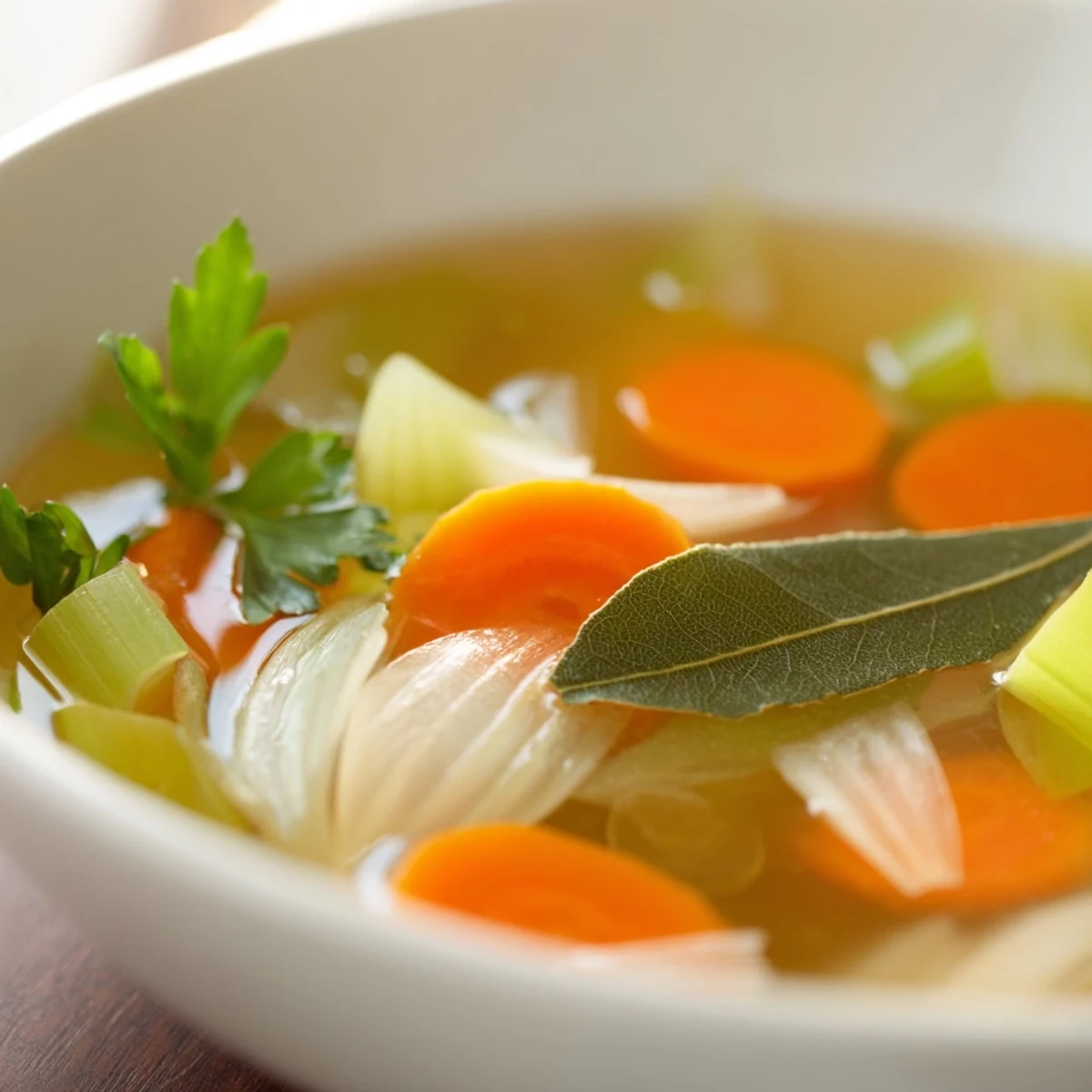
 I keep a container of this broth in my freezer at all times now, and it's become the answer to "I don't know what to cook tonight." Rice cooked in this broth instead of water becomes something special. A simple bowl of it with a slice of good bread feels like comfort when nothing else does.
Making Broth Your Way
The beauty of vegetable broth is that it's endlessly flexible—this is a template, not a rule. Once you make it once, you'll start seeing possibilities in your vegetable scraps. Some cooks save their onion skins, celery ends, and carrot peels in the freezer, then make broth whenever the container gets full. Others add mushroom stems for earthiness, fennel for brightness, or a handful of sun-dried tomatoes for depth. I've even added a strip of kombu for umami when I wanted something richer without meat.
Storage and Uses
Once it's cooled completely, pour the broth into containers and refrigerate—it keeps for up to 5 days, developing slightly deeper flavor as it sits. Freezing is even better for long-term storage. I use ice cube trays to freeze single-serving portions, then pop them into a bag so I always have small amounts ready to go.
When to Roast Your Vegetables First
If you want broth that's deeper, richer, and more complex, try roasting the vegetables before simmering. Spread them on a baking sheet with the garlic, herbs, and peppercorns, roast at 400°F for 30 minutes until they're lightly caramelized, then proceed as normal. This adds maybe 30 minutes to the total time but transforms the broth into something that feels restaurant-quality. It's the kind of small step that makes people ask what you did differently.
- Roasting works best when you're making broth for special soups or to drink on its own.
- Skip roasting if you want something light and vegetable-forward—both versions are completely valid.
- You can partially roast for 15 minutes if you want a middle ground between light and rich.
 Pin it
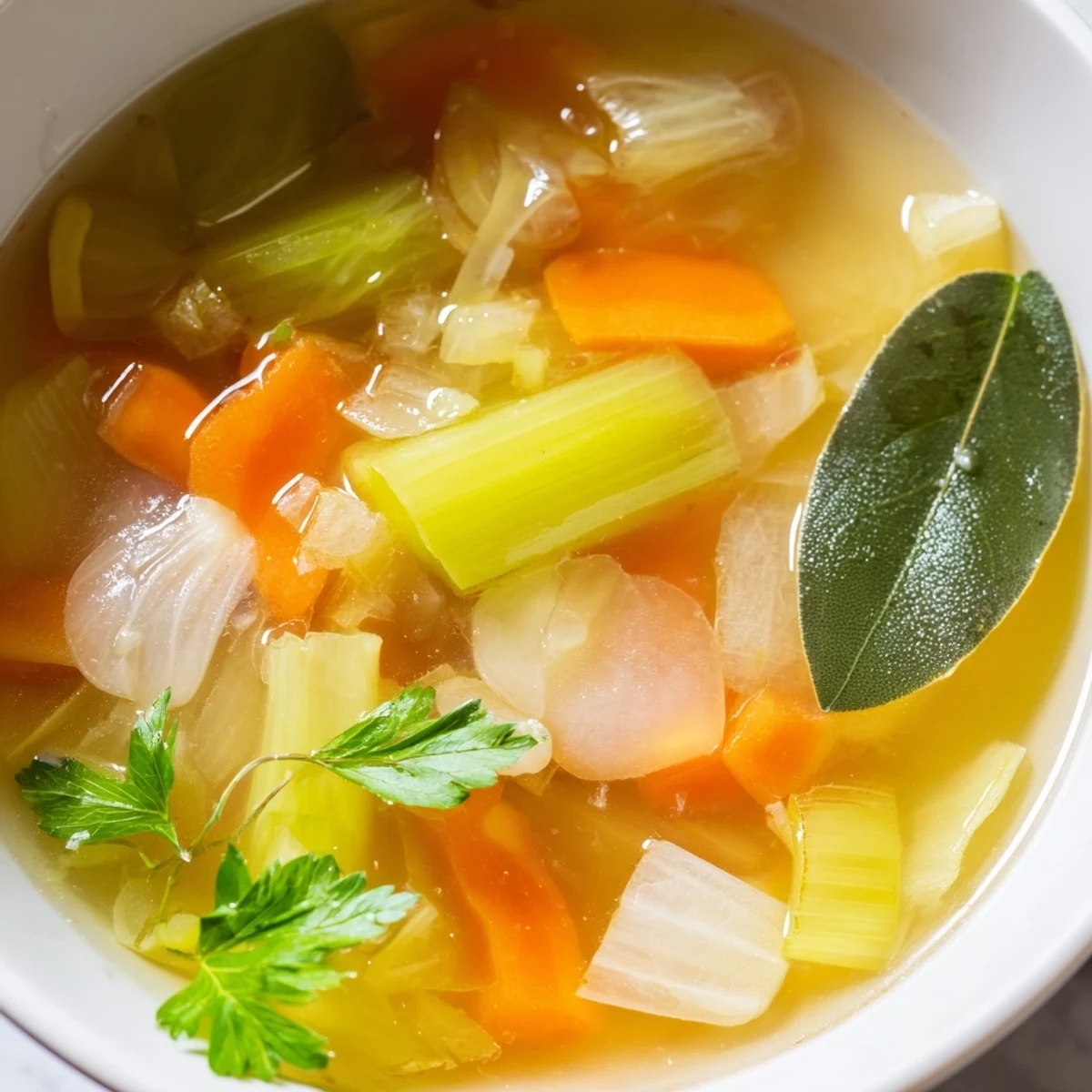
 Homemade broth is one of those things that seems small until you taste it, and then it becomes something you never want to make any other way. Make a batch this week.
Recipe FAQs
- → What vegetables are used for this broth?
-
The broth features carrots, celery, onion, leek, and optionally parsnip for a robust flavor.
- → Which herbs enhance the flavor best?
-
Fresh parsley, thyme, dill or rosemary, and bay leaves provide aromatic complexity to the broth.
- → How long should the broth simmer?
-
Simmer gently for one hour to extract maximum flavor without cloudiness.
- → Can I roast the vegetables before simmering?
-
Yes, roasting at 400°F for 30 minutes intensifies sweetness and depth in the broth.
- → How should the broth be stored?
-
Keep refrigerated up to five days or freeze for up to three months to maintain freshness.
- → Is this broth suitable for special diets?
-
It is vegan, gluten-free, and low-fat, perfect for many dietary needs.