
 Pin it
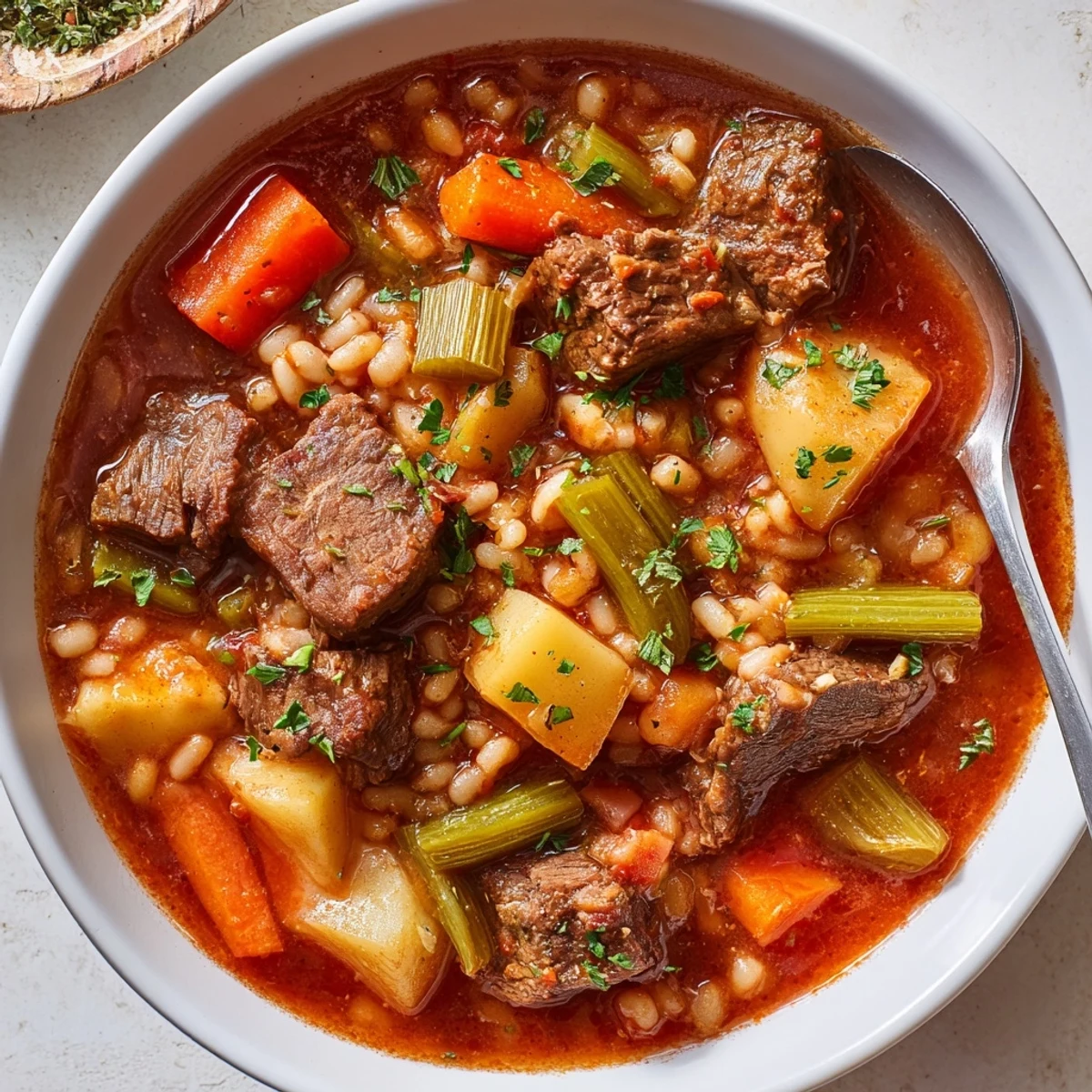
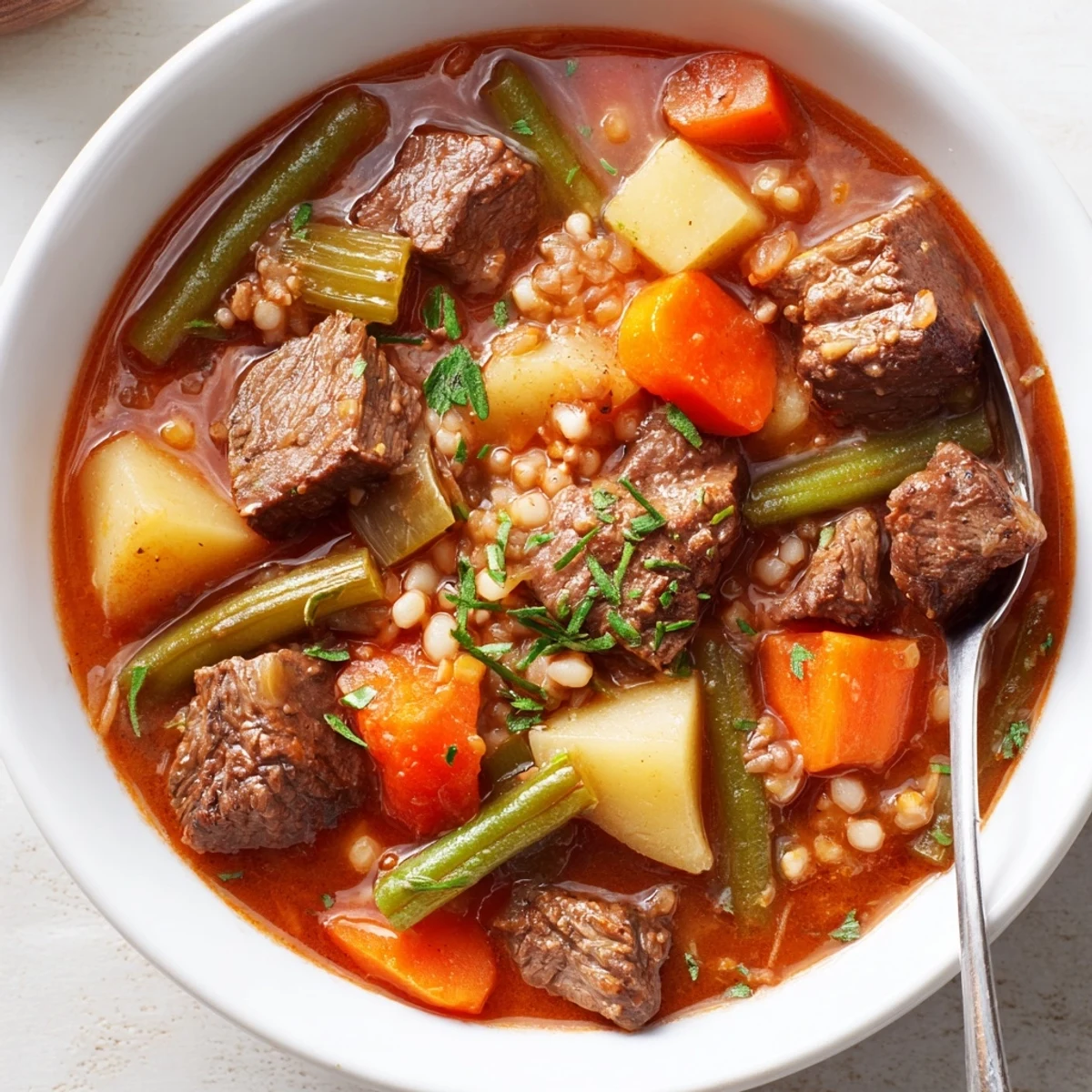
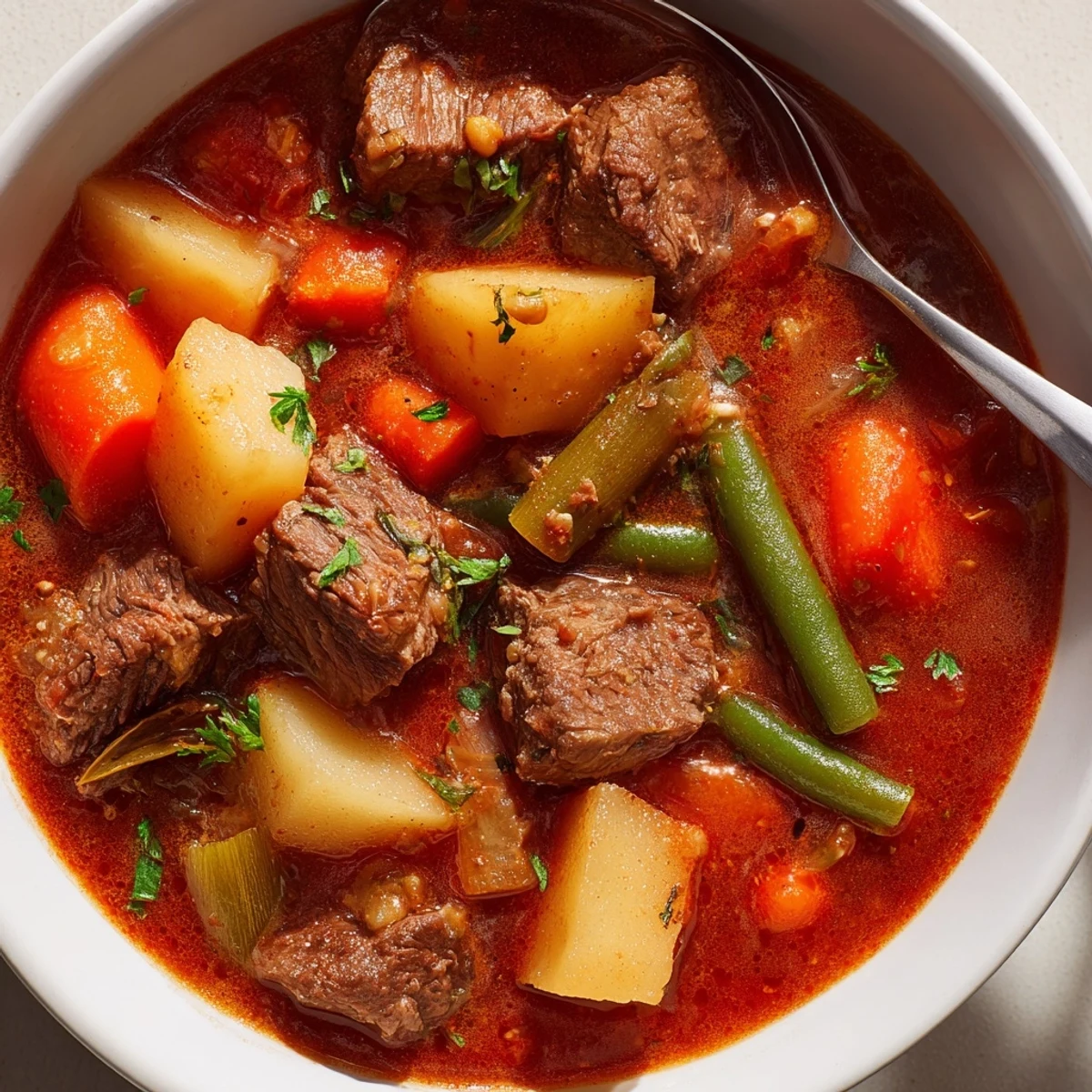
 This hearty stew combines tender beef chuck with pearl barley and a variety of fresh vegetables to create a nourishing and satisfying dish. Slow simmering melds the flavors, producing a rich broth infused with thyme, rosemary, and garlic. The inclusion of potatoes and green beans adds hearty texture and variety. Best enjoyed warm, it brings comfort during chilly evenings and pairs well with crusty bread or a simple side salad.
There's something about the smell of beef browning in a hot pot that makes me feel like I'm doing something right in the kitchen. Years ago, my neighbor brought over a Dutch oven full of this barley stew on a freezing November afternoon, and I've been chasing that exact comfort ever since. What struck me most wasn't just how hearty it was, but how the barley soaked up all those rich, savory flavors and became almost creamy without any cream at all. Now it's my go-to when I want something substantial that feels like a hug in a bowl.
I made this for my sister during one of those chaotic weeknight dinners where everyone arrived hungry and tired. I ladled out bowl after steaming bowl, and watched people slow down, breathe, and actually relax at the table. That's when I knew this recipe had staying power—it's the kind of dish that brings people back to themselves.
Ingredients
- Beef chuck (1.5 lbs, cut into 1-inch cubes): This cut is packed with connective tissue that breaks down into gelatin during the long simmer, making the broth silky and giving the stew its soul.
- Olive oil (1 tbsp): You need just enough to get a proper sear on the beef; don't be shy with the heat or you'll steam instead of brown.
- Carrots (2 medium, sliced): They sweeten as they cook and add natural body to the broth.
- Celery stalks (2, diced): This is your secret flavor base; it builds depth underneath everything else.
- Onion (1 large, chopped): The foundation of nearly every good stew, it mellows and becomes part of the background.
- Garlic (2 cloves, minced): Add it after the softer vegetables so it doesn't burn and turn bitter.
- Potato (1 large, peeled and diced): It adds body and helps thicken the stew as it breaks down slightly during cooking.
- Green beans (1 cup, cut into 1-inch pieces): They stay bright and add a fresh contrast if you don't cook them too long.
- Diced tomatoes (1 can with juices): The acidity balances all the rich beef and adds complexity.
- Pearl barley (2/3 cup, rinsed): Rinsing removes excess starch so it doesn't turn gluey; it becomes tender and slightly nutty as it absorbs the broth.
- Beef broth (6 cups): Use good quality broth if you can; it makes a noticeable difference in the final flavor.
- Water (1 cup): It keeps the broth from becoming too concentrated and allows you to taste the individual flavors.
- Tomato paste (2 tbsp): A concentrated hit of umami that deepens everything without making it taste tomatoey.
- Bay leaf (1): Don't forget to fish this out before serving or warn your guests; it perfumes the whole pot.
- Dried thyme and rosemary (1 tsp each): These are your herbal backbone, grounding the dish in classic comfort.
- Black pepper and salt (1/2 tsp and 1 tsp): Season gradually as you cook; you'll need more at the end.
- Fresh parsley (2 tbsp, chopped): A bright, fresh garnish that reminds you this stew is alive.
Instructions
- Brown the beef with intention:
- Heat oil in your pot until it shimmers, then add beef in a single layer without crowding. Let each piece develop a dark crust before stirring; this takes 3-4 minutes per side and is where the flavor begins. If your pot is small, work in batches—rushing this step will steam the meat instead of caramelize it.
- Build your flavor foundation:
- In the same pot, sauté onion, carrots, and celery until the onion turns translucent and the kitchen smells sweet and savory at once. Add garlic and stir constantly for just a minute so it doesn't brown and become acrid.
- Bring everything together:
- Return the beef to the pot, then add tomatoes with their juices, tomato paste, broth, water, herbs, bay leaf, salt, and pepper. Stir well so the tomato paste dissolves evenly and the flavors start to mingle.
- Let it simmer low and slow:
- Bring to a boil, then immediately lower the heat and cover. The gentle bubble of a simmer for one hour will make the beef tender without toughening it up. You'll hear the quiet sizzle and smell the deep, meaty aroma building.
- Add the grains and vegetables:
- Stir in barley, potatoes, and green beans, then cover again and simmer another 45-60 minutes. The barley will absorb liquid and swell, the potatoes will soften, and the green beans will turn tender-crisp if you time it right.
- Finish and taste:
- Fish out the bay leaf, then taste carefully. Add more salt or pepper to your preference; the stew often needs a little more seasoning at the end because the flavors have mellowed during cooking.
- Serve with grace:
- Ladle into bowls so the broth distributes evenly, then scatter parsley on top. The heat will release the herb's aroma right at your nose.
 Pin it
 I remember opening my pot after that first hour and being hit with a wave of warmth and aroma so rich I almost teared up. That's the moment when raw ingredients become something that feels like home, something that says I made this for you.
Why Barley Makes This Stew Different
Most beef stews rely on potatoes or flour to add body, but barley brings something unexpected: a slight, subtle nuttiness and a chewy texture that feels substantial without being heavy. As it cooks, it releases starch into the broth, naturally thickening it into something silky. I've learned that barley also keeps the stew from feeling heavy even after you've eaten a full bowl—it's oddly balancing in a way that feels virtuous.
Make It Your Own
This stew is forgiving and adaptable, which is part of why I love it. A splash of red wine instead of some of the water adds sophistication and depth. Lamb works beautifully if you prefer something richer, or you can leave out the meat entirely and swap vegetable broth for beef, letting the vegetables and barley be the stars. Some people add a tablespoon of Worcestershire sauce or a splash of balsamic vinegar at the end for extra complexity.
- Crusty bread for dipping is non-negotiable; it soaks up the broth like a sponge and becomes something transcendent.
- Serve in wide shallow bowls so the broth cools to eating temperature faster and the garnish doesn't get buried.
- Make a double batch and freeze half—it reheats beautifully and becomes even more flavorful.
Timing and Patience
There's a reason this takes over two hours; good stew can't be rushed. The long simmer is where magic happens, where individual ingredients stop being separate things and become a unified whole. I've tried cutting corners and adding everything at once, and it's never as good as when you respect the process and give each layer of cooking its moment.
 Pin it
 This stew is the kind of dish that reminds you why cooking for yourself and others matters. It's proof that simple ingredients, time, and care create something genuinely nourishing.
Recipe FAQs
- → What cut of beef works best for this stew?
-
Beef chuck is ideal due to its marbling and tenderness after slow cooking, ensuring succulent and flavorful meat.
- → Can I substitute pearl barley with another grain?
-
Couscous or barley flakes can be alternatives, but cooking times and textures will vary slightly.
- → How can I thicken the stew if desired?
-
Simmer uncovered for a bit longer to reduce liquid or add a slurry of cornstarch and water towards the end of cooking.
- → Is it possible to prepare this stew in advance?
-
Yes, flavors deepen when stored overnight. Reheat gently on low heat before serving.
- → What herbs enhance the flavor profile of this dish?
-
Fresh parsley garnish complements dried thyme and rosemary used during cooking, adding brightness and aroma.