
 Pin it
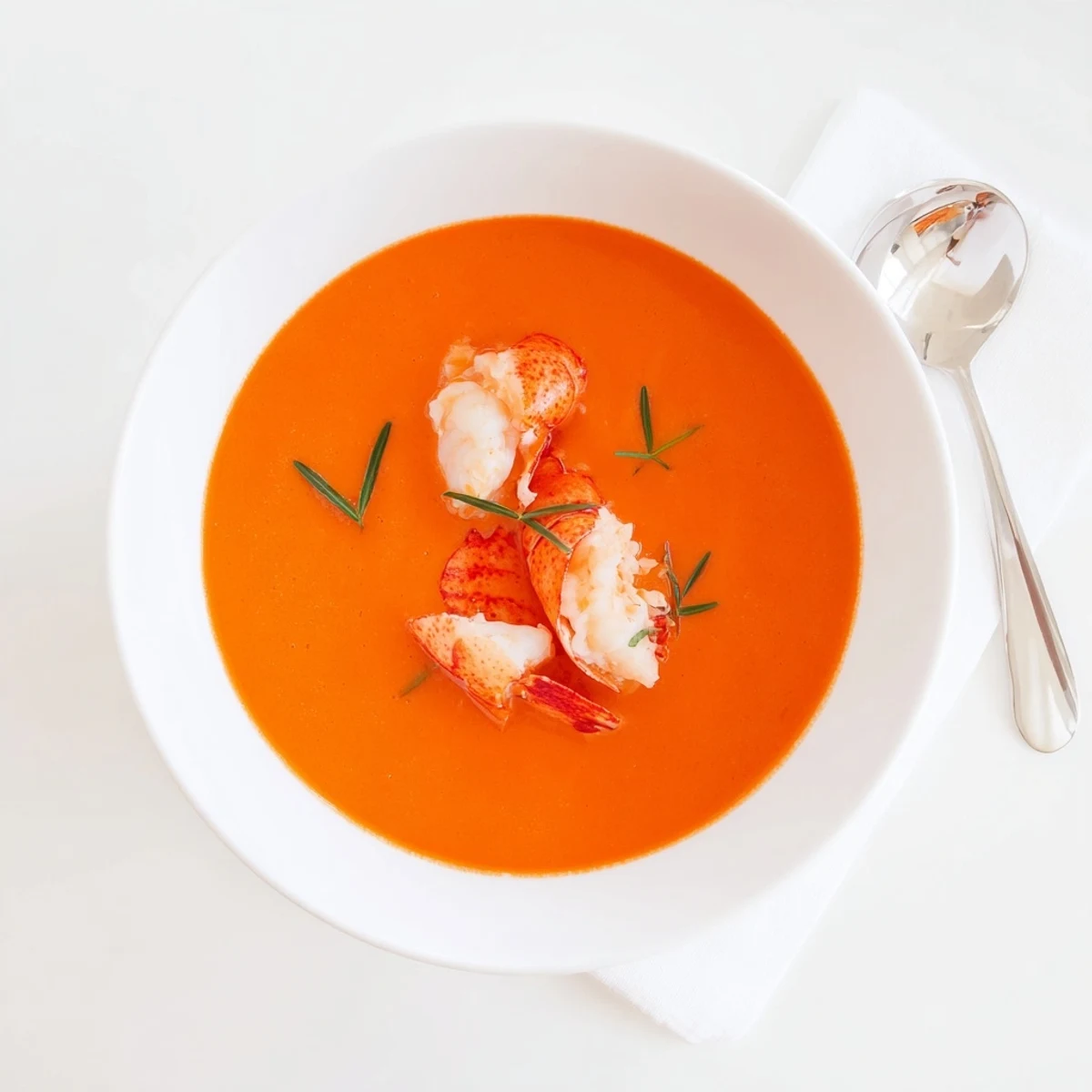
 This elegant French soup transforms fresh lobster into a silky, intensely flavored bisque. The process begins by poaching live lobsters, then extracting every bit of flavor from their shells through careful caramelization with aromatic vegetables including onion, celery, carrots, leeks, and fennel. A dramatic flambé with brandy adds depth, while white wine and fish stock build the foundation.
The magic happens during the final simmer with heavy cream, creating that luxurious velvety texture. Finished with tender chunks of lobster meat and brightened with lemon juice, each bowl delivers rich complexity perfect for special occasions or elegant dinner parties.
The first time I attempted lobster bisque, I accidentally set off the smoke alarm while flambéing the brandy. My neighbor knocked on the door thinking something was terribly wrong, only to find me frantically fanning flames from a soup pot while laughing. Now I know to turn off the overhead fan before attempting anything dramatic with alcohol and fire.
I made this for my anniversary dinner last winter, expecting it to be the showstopper. What surprised me was how quiet the table went after the first spoonful. There is something deeply satisfying about serving a soup that demands complete attention.
Ingredients
- 2 live lobsters: Fresh live lobsters give the sweetest, most delicate flavor to the base
- 1 bay leaf and 1 tsp black peppercorns: These subtle aromatics infuse the lobster poaching liquid with depth
- 2 tbsp olive oil: The foundation for sautéing your vegetable base
- 1 onion, 2 celery stalks, 2 carrots, 1 leek, 1 fennel bulb: This mirepoix blend creates the classic French backbone, finely chopped for smooth incorporation
- 3 garlic cloves, minced: Adds aromatic warmth without overpowering delicate lobster notes
- 2 tbsp tomato paste: Provides rich color and umami that rounds out the shellfish sweetness
- 1 sprig fresh thyme and 1 sprig fresh tarragon: Herbs that complement rather than compete with lobster
- ½ cup brandy or cognac: The flambé step caramelizes the sugars and adds sophisticated warmth
- 1 cup dry white wine: Brightens and balances the rich cream base
- 4 cups fish or lobster stock: Your liquid foundation, homemade stock makes a noticeable difference
- 1 cup heavy cream: Creates that signature luxurious velvety texture
- Salt, black pepper, pinch of cayenne, lemon juice: Essential finishing touches that make flavors pop
Instructions
- Prepare the Lobster:
- Bring a large pot of salted water to boil with bay leaf and peppercorns. Add live lobsters, cover, and cook 6 to 8 minutes until bright red. Remove with tongs and reserve ½ cup cooking liquid. When cool enough to handle, twist off tails and claws, crack shells, and remove meat. Chop into bite sized pieces and set aside, saving shells for your base.
- Build the Bisque Base:
- Heat olive oil in a large pot over medium heat. Add onion, celery, carrots, leek, and fennel, cooking 5 to 7 minutes until softened. Stir in garlic and tomato paste, cooking 2 minutes until fragrant. Add reserved lobster shells, thyme, and tarragon, sautéing 5 minutes while stirring occasionally.
- Deglaze and Simmer:
- Pour in brandy carefully and ignite to flambé, letting alcohol burn off safely. Once flames subside, add white wine and reserved lobster cooking liquid. Pour in fish stock, bring to boil, then reduce heat and simmer uncovered 30 to 40 minutes to develop deep flavor.
- Strain and Blend:
- Remove from heat and discard herb sprigs. Use an immersion blender to purée the mixture directly in the pot, then strain through a fine sieve into a clean pot. Press firmly with a spoon to extract every drop of liquid. Discard the solids.
- Finish the Bisque:
- Bring strained bisque to gentle simmer and stir in heavy cream. Season with salt, pepper, and cayenne to taste. Add chopped lobster meat, reserving a few pieces for garnish. Simmer 2 to 3 minutes until heated through.
- Serve Immediately:
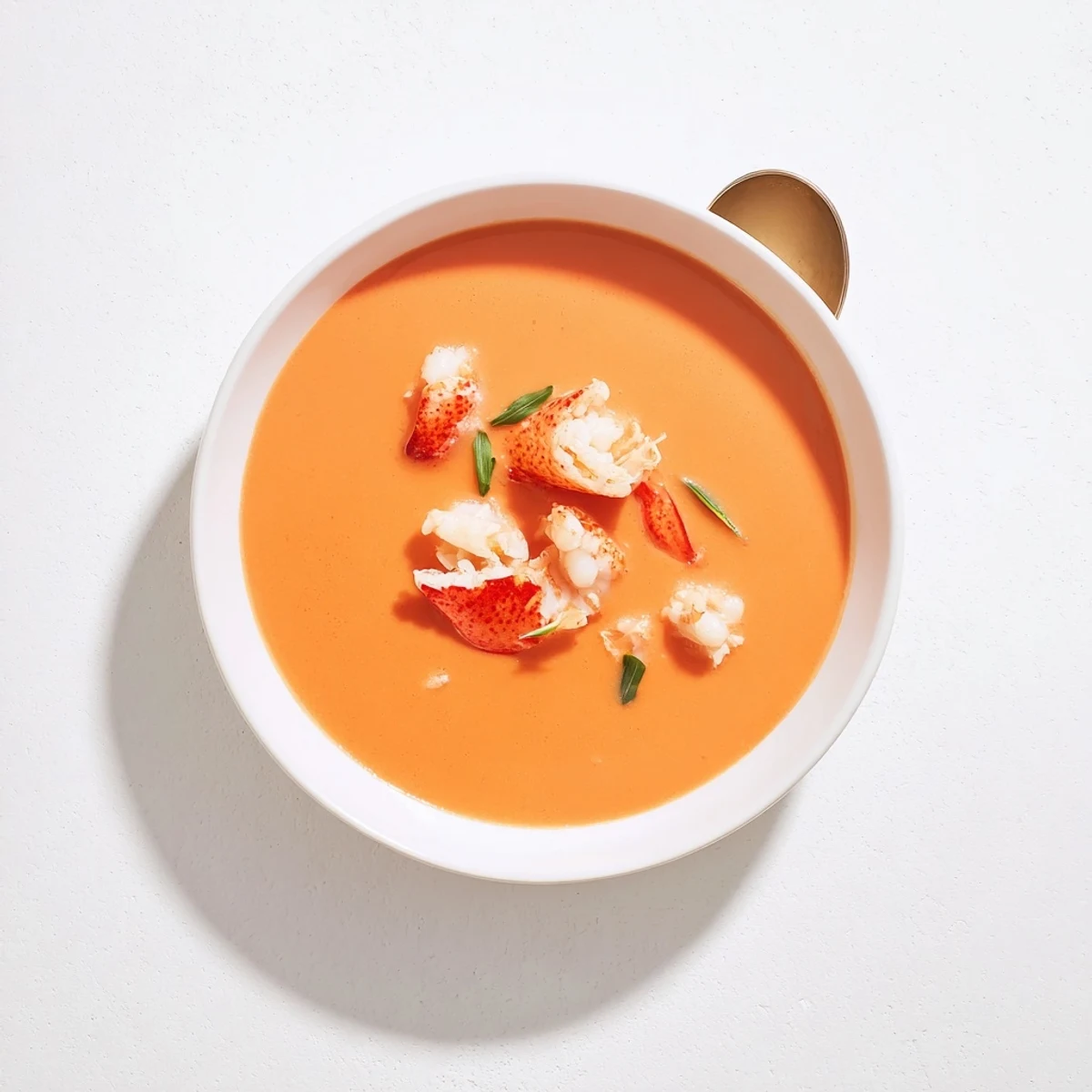
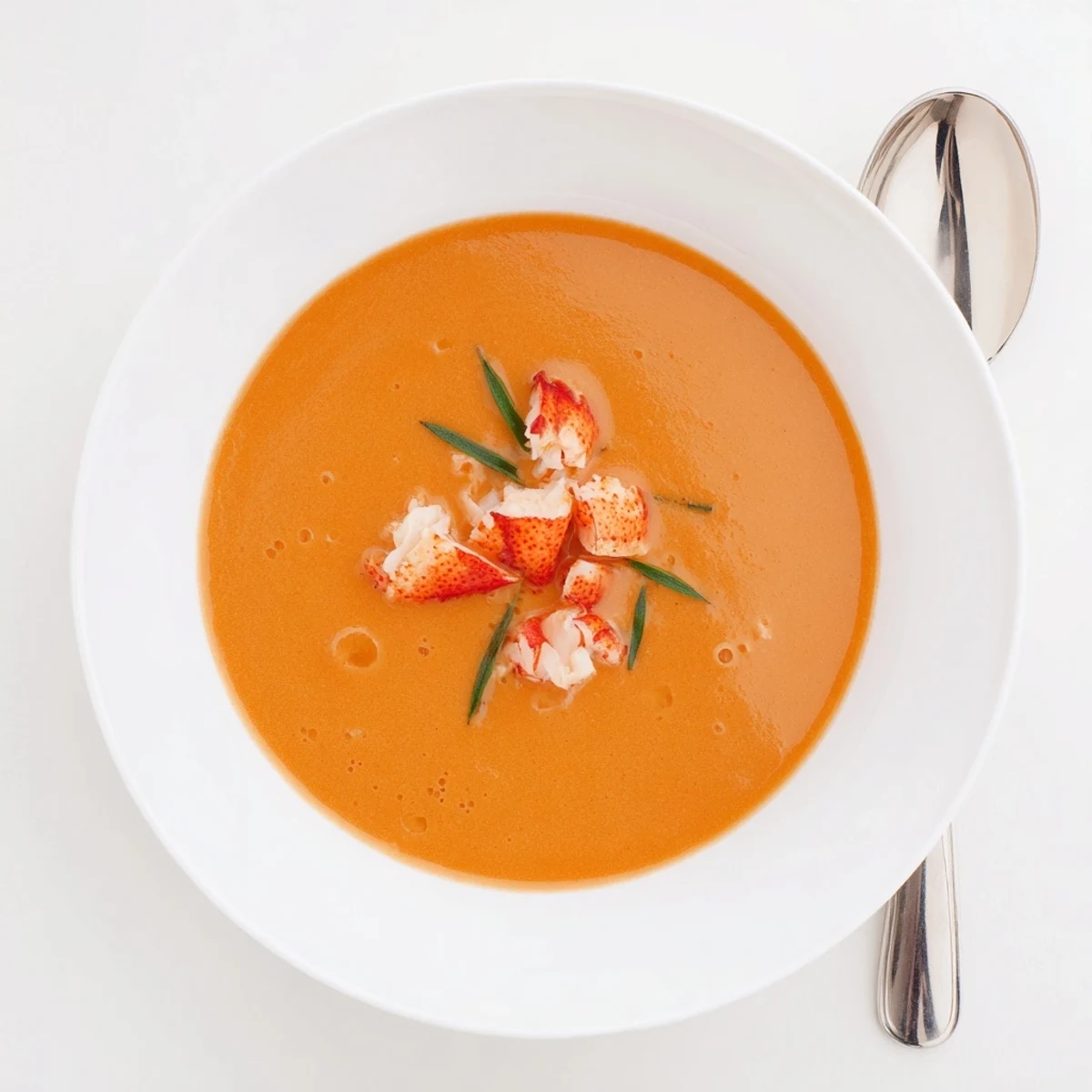
- Ladle bisque into warm bowls and top with reserved lobster pieces and fresh tarragon leaves.
 Pin it
 This recipe has become my go to for dinner parties because it can be almost entirely prepared in advance. The final assembly takes minutes, leaving me free to actually enjoy my guests instead of being stuck at the stove.
Making It Your Own
While traditional lobster bisque is already exceptional, small adjustments can personalize it to your taste. I have found that a splash of sherry instead of brandy creates a slightly sweeter, nuttier finish. For those who enjoy heat, increasing the cayenne or adding a pinch of smoked paprika adds another layer of complexity without overpowering the delicate lobster sweetness.
Perfect Pairings
A crisp chilled Chardonnay cuts through the richness beautifully while complementing the shellfish notes. For non wine drinkers, sparkling water with a lemon twist provides the same palate cleansing effect. Serve with crusty bread brushed with garlic butter for soaking up every last drop.
Timing Your Bisque
The most common mistake is rushing the reduction step. That 30 to 40 minute simmer concentrates flavors and creates the body that makes lobster bisque extraordinary. I set a timer and use that time to clean up and prep garnishes.
- Have your cream at room temperature to prevent curdling when adding
- Warm your serving bowls in a low oven so the bisque stays hot longer
- Keep lemon juice handy but add it at the very end as acidity changes as the soup rests
 Pin it
 Something magical happens when you put this much care into a soup. It stops being just a recipe and becomes an experience worth sharing.
Recipe FAQs
- → What makes this bisque authentic?
-
True French bisque relies on extracting maximum flavor from shellfish through long simmering with shells, careful caramelization of aromatics, and the traditional flambé technique with brandy which adds depth and burns off alcohol while leaving complex notes.
- → Can I make this ahead?
-
The base can be prepared 1-2 days in advance and refrigerated. Complete the final steps with cream and lobster meat just before serving, reheating gently. The flavors actually develop and improve overnight.
- → What wine pairs best?
-
A crisp Chardonnay complements the richness beautifully, cutting through the cream while matching the elegant profile. Sauvignon Blanc also works well with its bright acidity balancing the velvety texture.
- → Is the flambé step necessary?
-
While optional, flambéing creates caramelized flavors you can't achieve otherwise. If uncomfortable with open flames, simply simmer the brandy for 2-3 minutes to evaporate alcohol, though you'll miss those subtle toasted notes.
- → How do I achieve the silkiest texture?
-
Double-straining through a fine mesh sieve is crucial. Blend thoroughly first, then press firmly through the sieve to extract all liquid. For ultimate silkiness, strain a second time through cheesecloth.
- → Can I substitute the brandy?
-
Cognac works excellently and is actually traditional in French kitchens. For non-alcoholic versions, use additional fish stock though you'll lose some depth. Apple cider vinegar provides a similar acidity.