
 Pin it
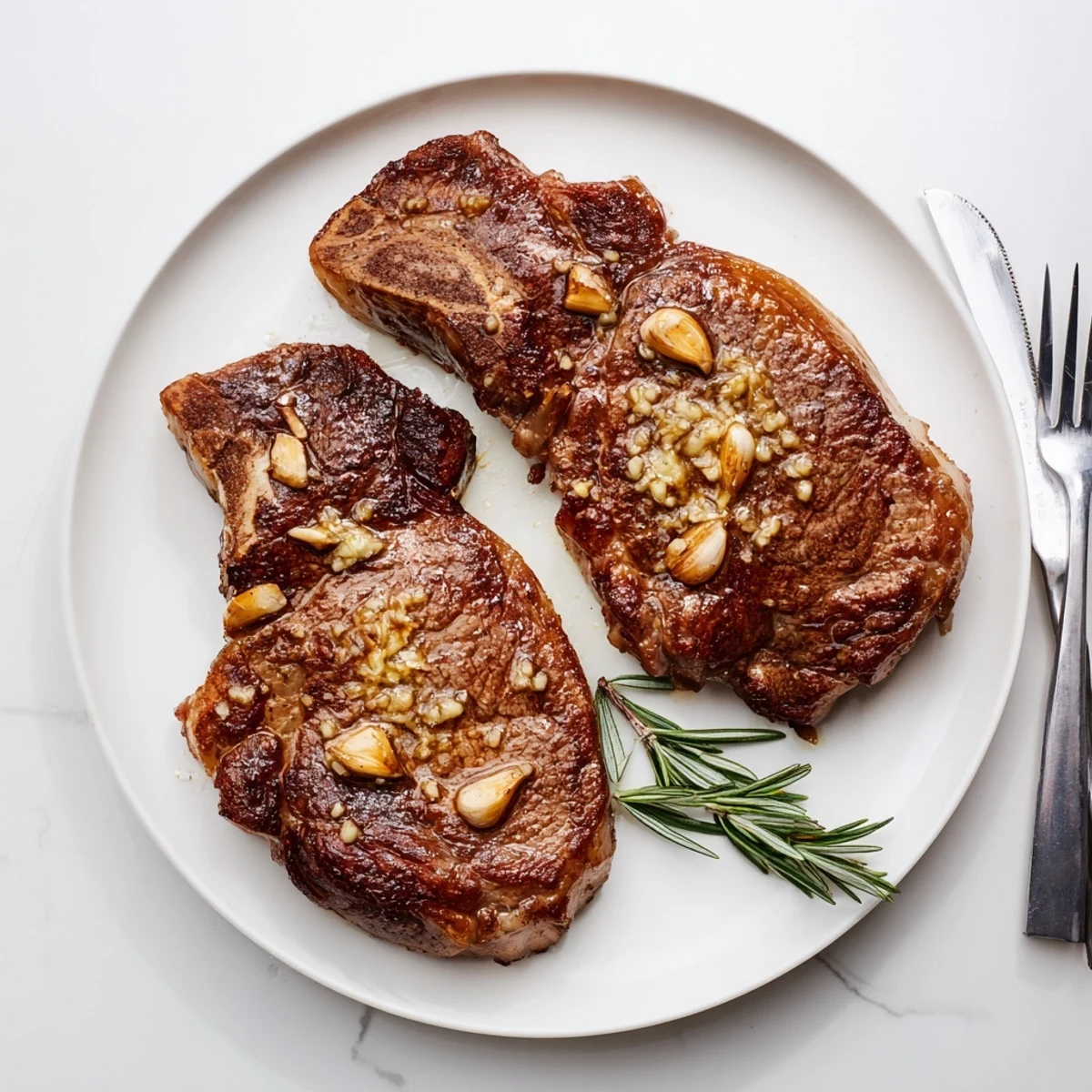
 Create a restaurant-quality steak dinner in your own kitchen with this simple yet impressive method. Start with well-marbled ribeye steaks, seasoned generously and seared in a hot cast iron skillet until a rich brown crust forms. The magic happens when you add butter, garlic, and fresh herbs to the pan, then continuously baste the steaks with this aromatic mixture. This technique ensures maximum flavor and keeps the meat incredibly juicy while developing that perfect golden exterior. The entire process takes just 25 minutes, making it ideal for weeknight dinners or special occasions alike.
The sizzle of steak hitting a screaming hot pan is one of those sounds that makes everyone in the house suddenly appear in the kitchen doorway, pretending they just happened to walk by. My cast iron skillet has earned its keep over the years, and nothing tests its worth quite like a garlic butter basted ribeye on a rainy Tuesday evening when takeout feels too sad to consider. This recipe is proof that a restaurant quality steak dinner lives closer than you think, right between your stove burner and a stick of good butter.
I once made this for my neighbor who had casually mentioned over the fence that he never cooked steak at home because it always turned out tough and grey, and watching his face after that first bite was better than any compliment I have ever received.
Ingredients
- 2 ribeye steaks (about 1 inch thick, 250g each): Ribeye is the cut here because the marbling renders into flavor you simply cannot get from leaner steaks, so do not substitute unless you want a different experience entirely.
- 3 tablespoons unsalted butter: Unsalted lets you control the seasoning, and you need every bit of fat here for basting, so do not skimp.
- 1 tablespoon olive oil: This raises the smoke point so your butter does not burn the moment it hits the pan.
- 4 garlic cloves, finely minced: Fresh garlic only, minced small so it infuses the butter without catching and turning bitter.
- 2 sprigs fresh rosemary (or thyme): Rosemary gives a piney warmth but thyme works beautifully if that is what your windowsill is growing.
- Salt and freshly ground black pepper, to taste: Be generous with the salt and crack the pepper fresh, because pre ground tastes like dust on a steak this good.
Instructions
- Temper and dry the steaks:
- Pull the steaks from the fridge twenty minutes early and pat them bone dry with paper towels, because moisture is the enemy of a proper crust and patience here pays off.
- Season with intention:
- Season both sides generously with salt and pepper, pressing it in gently so it adheres rather than falling off into the pan.
- Get the pan ripping hot:
- Heat olive oil in a heavy cast iron skillet over high heat until you see the first wisps of smoke, because a lukewarm pan will boil your steak instead of searing it.
- Sear for that golden crust:
- Lay the steaks in carefully and do not move them for two to three minutes per side, letting the Maillard reaction do its beautiful work without interference.
- Build the garlic butter:
- Drop the heat to medium, add butter, garlic, and rosemary to the pan, and listen as the foaming begins and your kitchen starts smelling unreal.
- Baste like you mean it:
- Tilt the pan slightly and spoon the foaming garlic butter over the steaks continuously for two to three minutes, spooning it right over the top until the meat reaches your desired doneness.
- Rest before slicing:
- Transfer the steaks to a warm plate and let them rest undisturbed for five full minutes so the juices redistribute instead of running all over your cutting board.
 Pin it
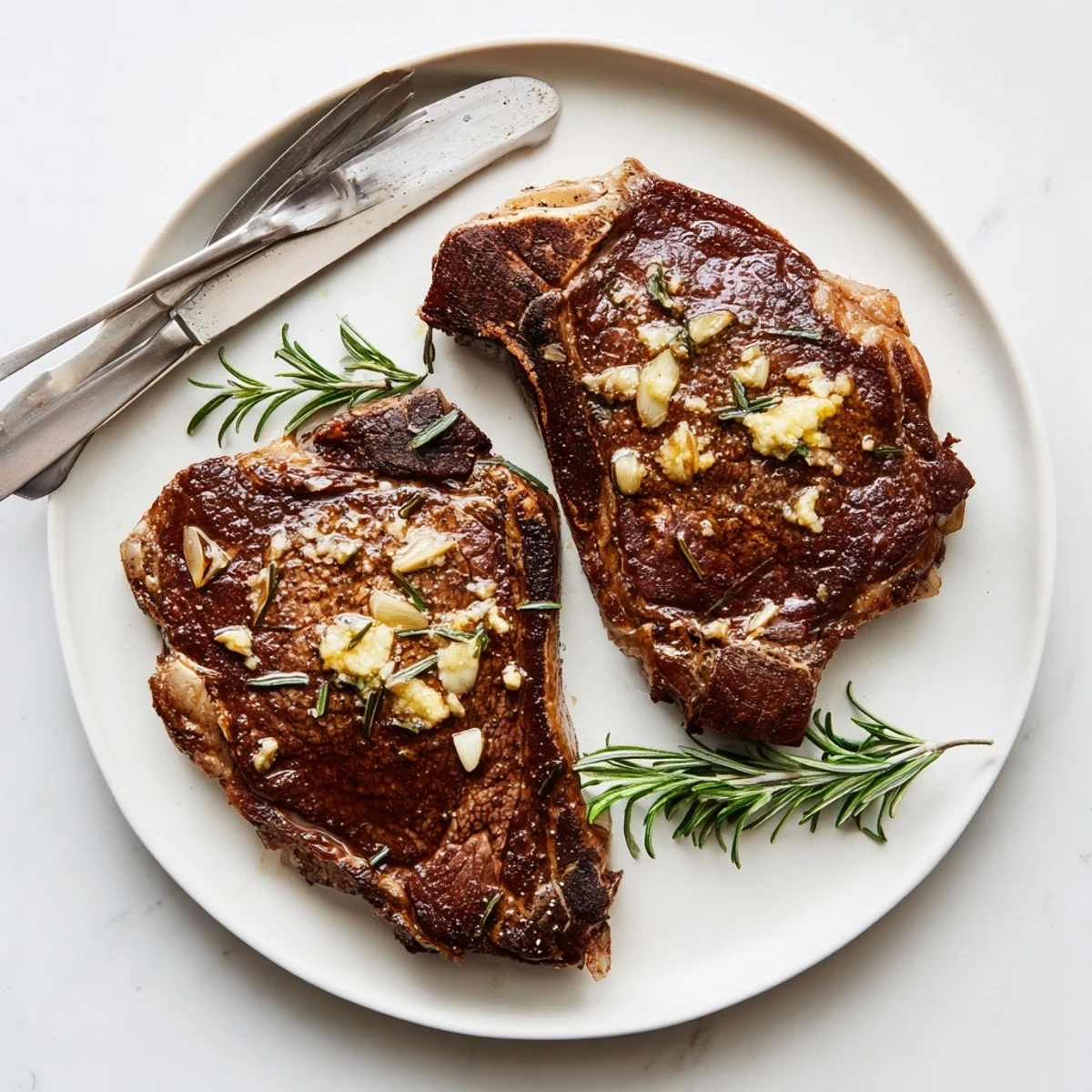
 There is something quietly powerful about mastering a steak at home, the way it shifts a regular weeknight into something that feels deliberate and a little bit luxurious.
What to Serve Alongside
Roasted potatoes with rosemary are the obvious and correct choice here, but a crisp green salad with a sharp vinaigrette cuts through the richness in a way that makes the whole meal sing. Steamed or blistered green beans with a squeeze of lemon also earn their place on the plate. Pour something bold like a Cabernet Sauvignon or Malbec and you have dinner handled completely.
Handling Your Cast Iron
A well seasoned cast iron skillet is genuinely the best tool for this job, holding heat evenly and creating the kind of crust that thinner pans simply cannot manage. After cooking, let the pan cool slightly, wipe it clean with a paper towel, and give it a light rub of oil before storing so it stays ready for next time.
Doneness Without Guesswork
A meat thermometer takes the anxiety out of steak forever, and medium rare at 130 degrees Fahrenheit is where ribeye truly shines. If you prefer medium, pull it at 140 degrees Fahrenheit, but anything beyond that starts to sacrifice the tenderness you paid good money for. Remember that carryover cooking adds a few degrees after you pull it off the heat.
- Let the thermometer rest in the thickest part of the steak for an accurate reading.
- A splash of lemon juice or flaky sea salt at the end wakes up every layer of flavor.
- Always slice against the grain for the most tender bite possible.
 Pin it
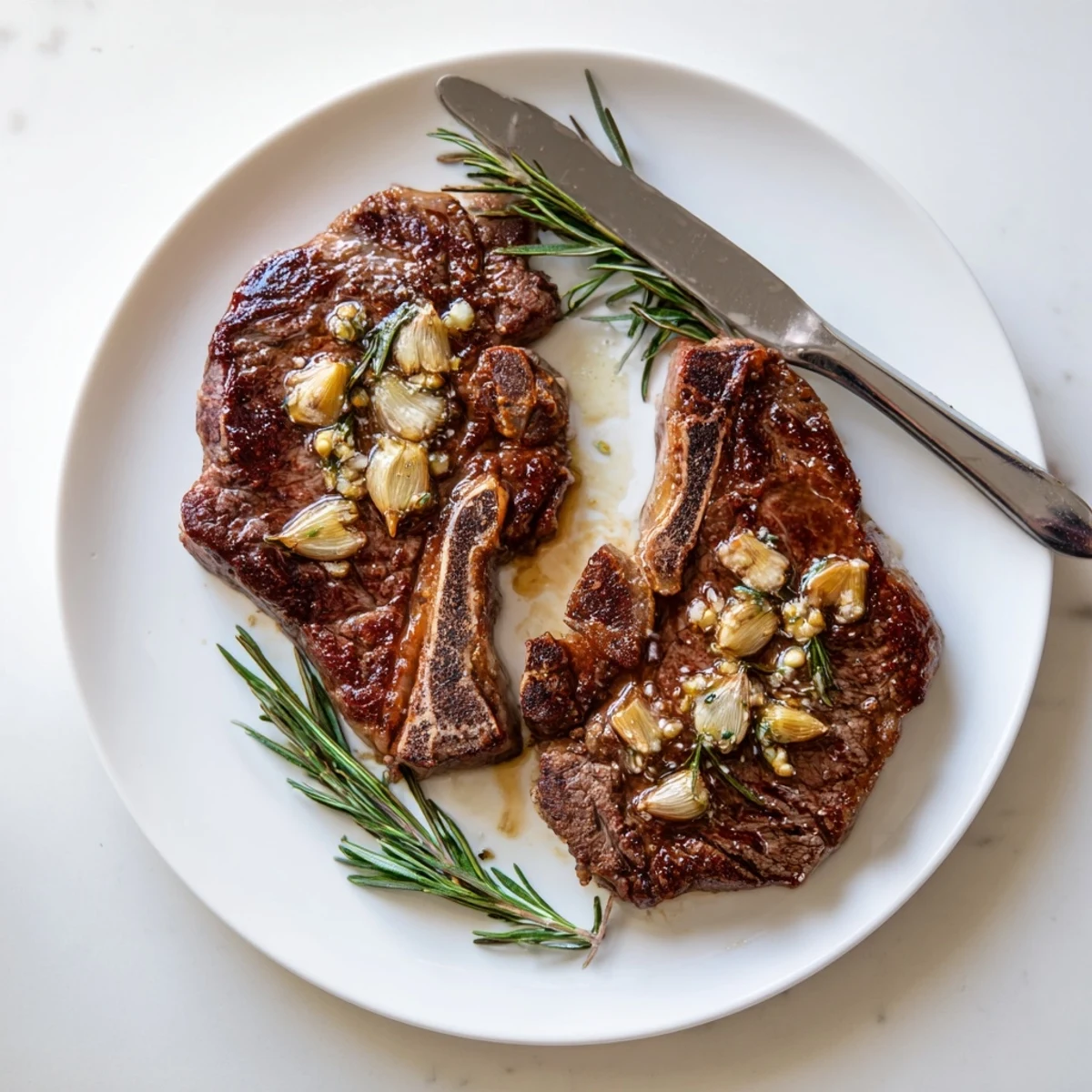
 Keep this recipe close, because once you make it once, someone will ask you to make it again. That is just how garlic butter steak works.
Recipe FAQs
- → What cut of steak works best for garlic butter preparation?
-
Ribeye steaks are ideal due to their marbling and fat content, which keeps the meat juicy during high-heat cooking. New York strip or filet mignon also work beautifully with this basting method.
- → How do I know when the steak reaches medium-rare?
-
Use a meat thermometer inserted into the thickest part of the steak. Medium-rare registers 130°F to 135°F. Without a thermometer, press the center with your finger—it should feel like the fleshy part of your palm below your thumb.
- → Why is resting the steak important?
-
Resting allows the juices to redistribute throughout the meat rather than spilling out onto the cutting board. This 5-minute rest ensures each bite stays tender and juicy rather than becoming dry.
- → Can I use dried herbs instead of fresh rosemary?
-
Fresh rosemary or thyme provides the best aroma and flavor during basting. If using dried herbs, add them earlier in the butter melting process to allow time for the oils to infuse properly.
- → What vegetables pair well with this preparation?
-
Roasted potatoes, steamed asparagus, sautéed mushrooms, or a crisp arugula salad complement the rich flavors beautifully. The pan juices also make an excellent drizzle over any side dish.