
 Pin it
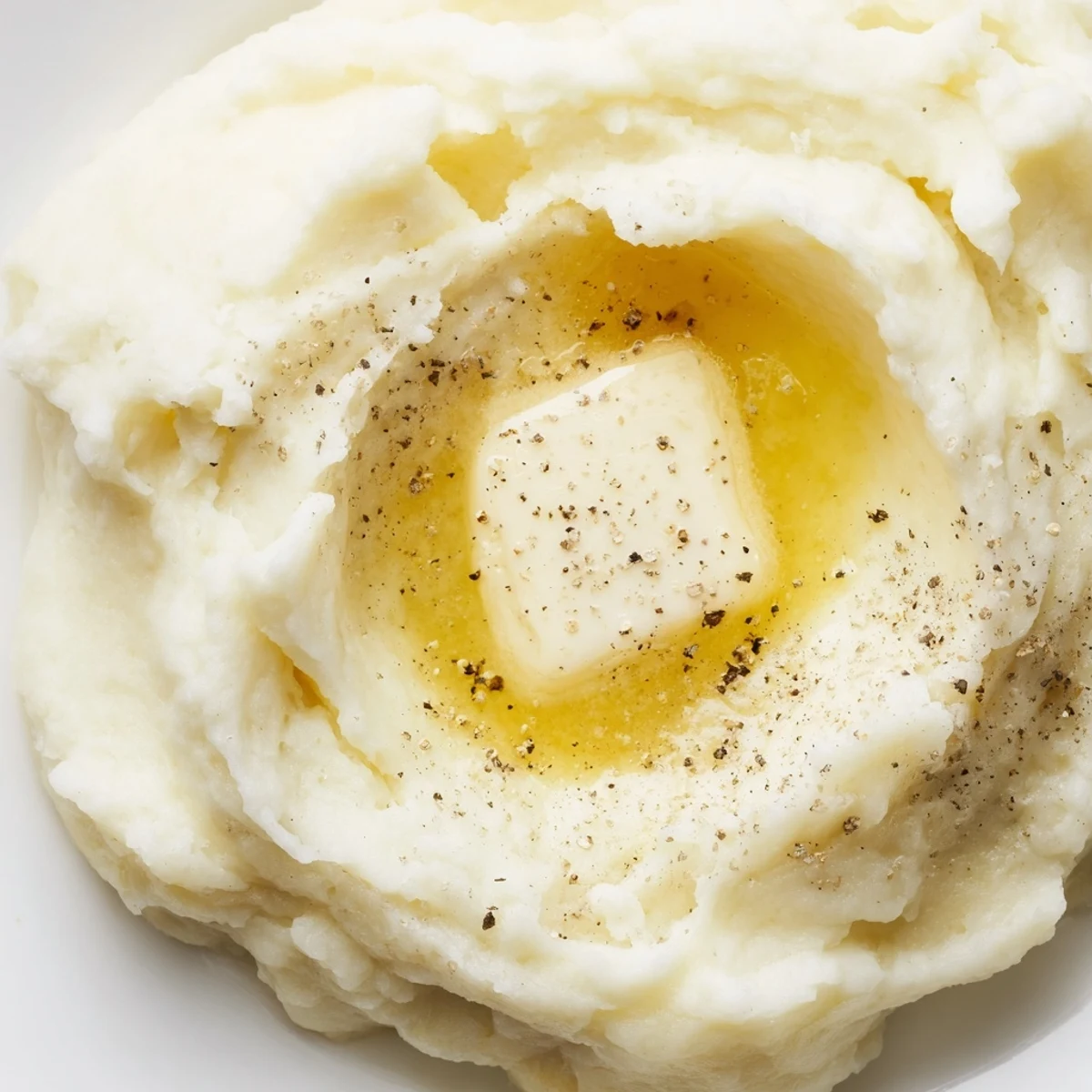
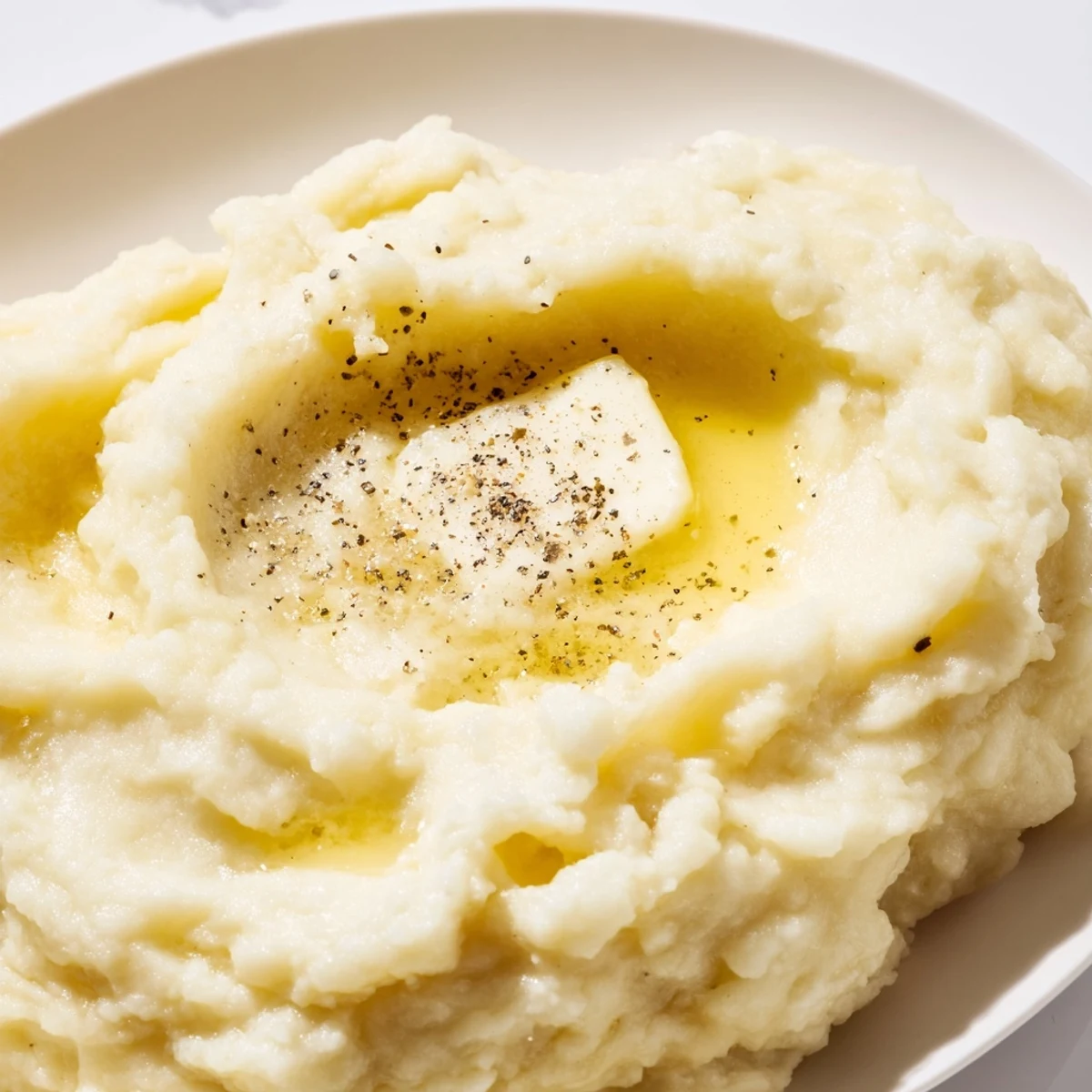
 This creamy mash combines tender, fluffy potatoes with real butter and warm cream to create a rich and velvety texture. Boiled until soft, the potatoes are gently mashed and blended with dairy for smoothness. Seasoned with sea salt and black pepper, it pairs beautifully with roasted meats or vegetable stews. Simple to prepare and perfect for an easy, comforting side.
For extra creaminess, add more cream or a spoonful of crème fraîche. Variations include substituting half-and-half for a lighter touch or stirring in roasted garlic and fresh herbs for enhanced flavor.
There's something about the smell of potatoes boiling that takes me back to Sunday dinners at my grandmother's kitchen, steam rising from her enormous pot while she'd hum along to whatever was playing on the radio. She never measured anything, just knew by feel and taste when the butter had melted into something almost silken. Years later, I realized what made hers so impossibly creamy wasn't a secret ingredient at all—it was patience, warm dairy, and never rushing the mashing. This is my version of what she taught me without ever saying much at all.
I made this for a dinner party once where I was too nervous to try anything fancy, so I leaned on what I knew would work. A friend took one bite and said it reminded her of her childhood, and that's when I understood—the best recipes aren't the complicated ones, they're the ones that feel like home on a plate.
Ingredients
- Potatoes: Use floury varieties like Yukon Gold or Russet—they break down into velvet instead of gluey paste, and that makes all the difference.
- Unsalted butter: Room temperature butter incorporates without needing to whisk, creating that luxurious texture that coats your mouth.
- Heavy cream: Warm it first so the mash doesn't cool down and seize up when you stir it in.
- Whole milk: Adds richness without making it so heavy you can only eat two bites.
- Sea salt and black pepper: Don't skip seasoning at the end—taste as you go and trust your palate more than the recipe.
Instructions
- Get your potatoes ready:
- Peel and chop them into roughly even chunks so they cook at the same speed. Cold water and a pinch of salt in the pot means they'll cook through gently without the outside turning to mush.
- Boil until they fall apart:
- Bring everything to a hard boil, then back it down to a steady simmer. At fifteen to eighteen minutes, they should be so tender a fork slides through like butter. If you're not sure, taste a piece—it should have zero resistance.
- Drain and dry:
- Don't skip the sitting-for-a-minute part; it lets steam escape and keeps your mash from becoming gluey. A wet potato is a sad potato.
- Mash with purpose:
- Use a ricer for silk-smooth results, or a masher if that's what you have on hand. Either way, work it until there are no lumps left—this is where the texture comes from.
- Introduce the butter and cream:
- Add the soft butter first and fold it in while everything's hot, then pour the warm cream and milk slowly while stirring gently. This gradual approach keeps it from breaking and gives you control over the final consistency.
- Season and taste:
- Salt and pepper aren't finishing touches; they're what make it taste like itself. Add half of what you think you need, taste, then finish seasoning.
 Pin it
 There was a night when I served this alongside roasted chicken and watched someone who said they didn't really like mashed potatoes ask for more. That's when it clicked—this dish has a quiet power, the kind that doesn't announce itself but stays with you.
How to Get the Texture Just Right
The secret isn't a technique, it's understanding that potatoes are mostly water and air. When you mash them, you're not trying to pulverize them into submission; you're coaxing them into a cloud. The ricer is your best friend here because it does that work for you, but even a good masher will get you there if you're patient and the potatoes are hot enough. Lumps aren't failure—they mean you haven't reached that sweet spot yet, so keep going.
Building Flavor from the Foundation
Seasoning the boiling water isn't just a step, it's flavoring the potato from the inside out. By the time they're cooked through, they already taste like something instead of like starch. Then the butter and cream add richness, but it's the salt and pepper at the end that tie everything together and make you taste each element. I learned this by accident once when I forgot to salt the water and the final result felt flat no matter how much I seasoned it after.
What to Serve Alongside and How to Customize
This mash is a companion, not a star—it brings out the best in whatever else is on the plate. Roasted meats, sausages, stews, even grilled vegetables all look better next to it. The beauty of the base recipe is that it invites additions without needing them: stir in roasted garlic if you want earthiness, fresh chives for a whisper of onion flavor, or a spoonful of crème fraîche if you're feeling luxurious on a Tuesday.
- Try swapping half the heavy cream for half-and-half if you want richness without the weight.
- Add roasted garlic or fresh chives directly into the pot for a subtle flavor boost that still lets the potato shine.
- A final pinch of fleur de sel on top catches the light and reminds you this is worth savoring slowly.
 Pin it
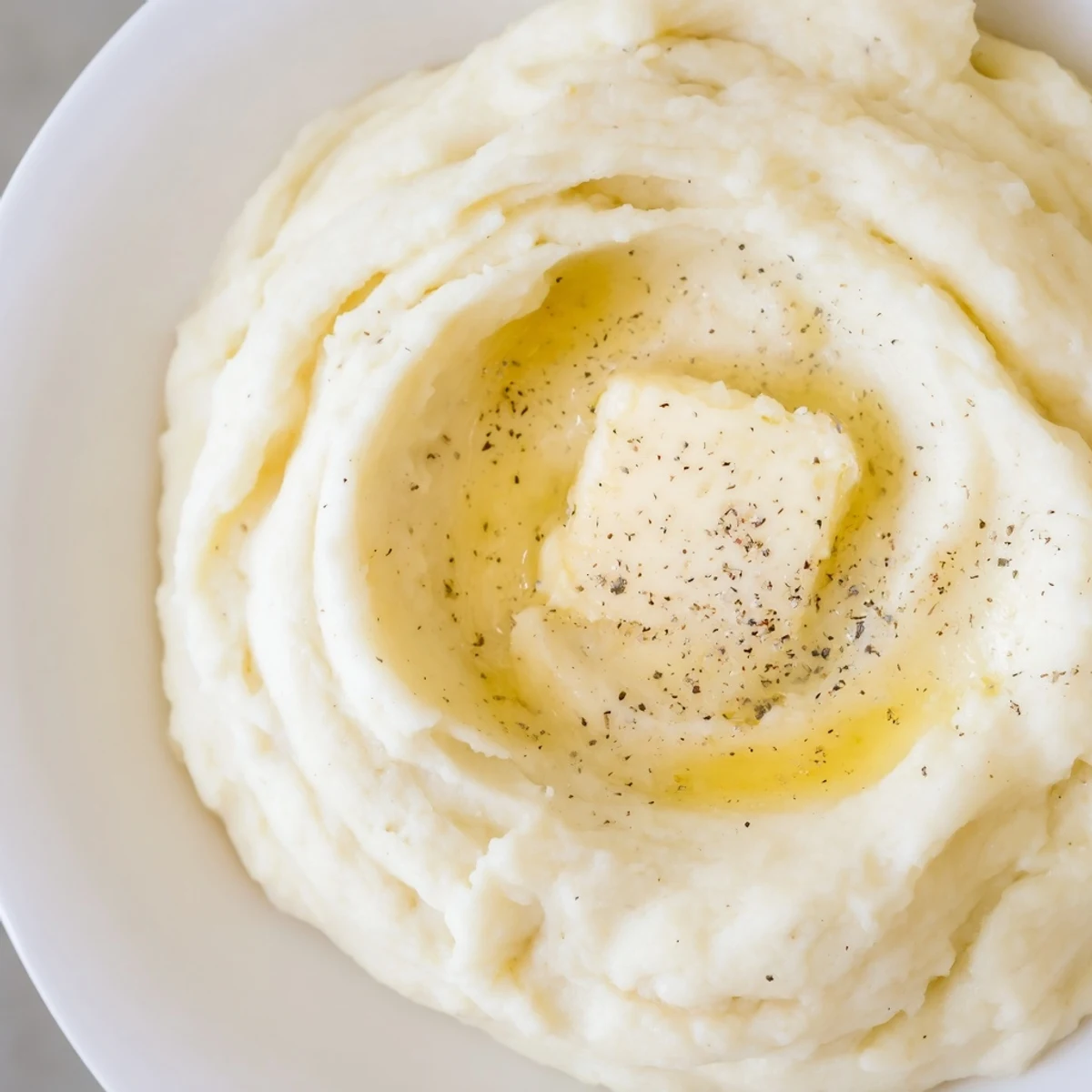
 Mashed potatoes are one of those dishes that asks for nothing but gratitude. Keep this one simple and let the ingredients speak for themselves.
Recipe FAQs
- → What type of potatoes are best for creamy mash?
-
Floury potatoes like Yukon Gold or Russet are ideal due to their starchy texture, which creates a smooth and fluffy mash.
- → How can I make the mash extra creamy?
-
Increasing the amount of warm cream or adding a spoonful of crème fraîche helps achieve a richer, silkier texture.
- → Can I prepare this dish in advance?
-
Yes, refrigerate the mash and gently reheat while stirring in a splash of cream or milk to restore its creamy consistency.
- → What seasoning complements the creamy mash best?
-
Simple sea salt and freshly ground black pepper enhance the natural flavors without overpowering the dish.
- → Which tools are necessary for a smooth mash?
-
A potato masher or ricer ensures even mashing and prevents lumps, delivering a smooth and velvety result.