
 Pin it
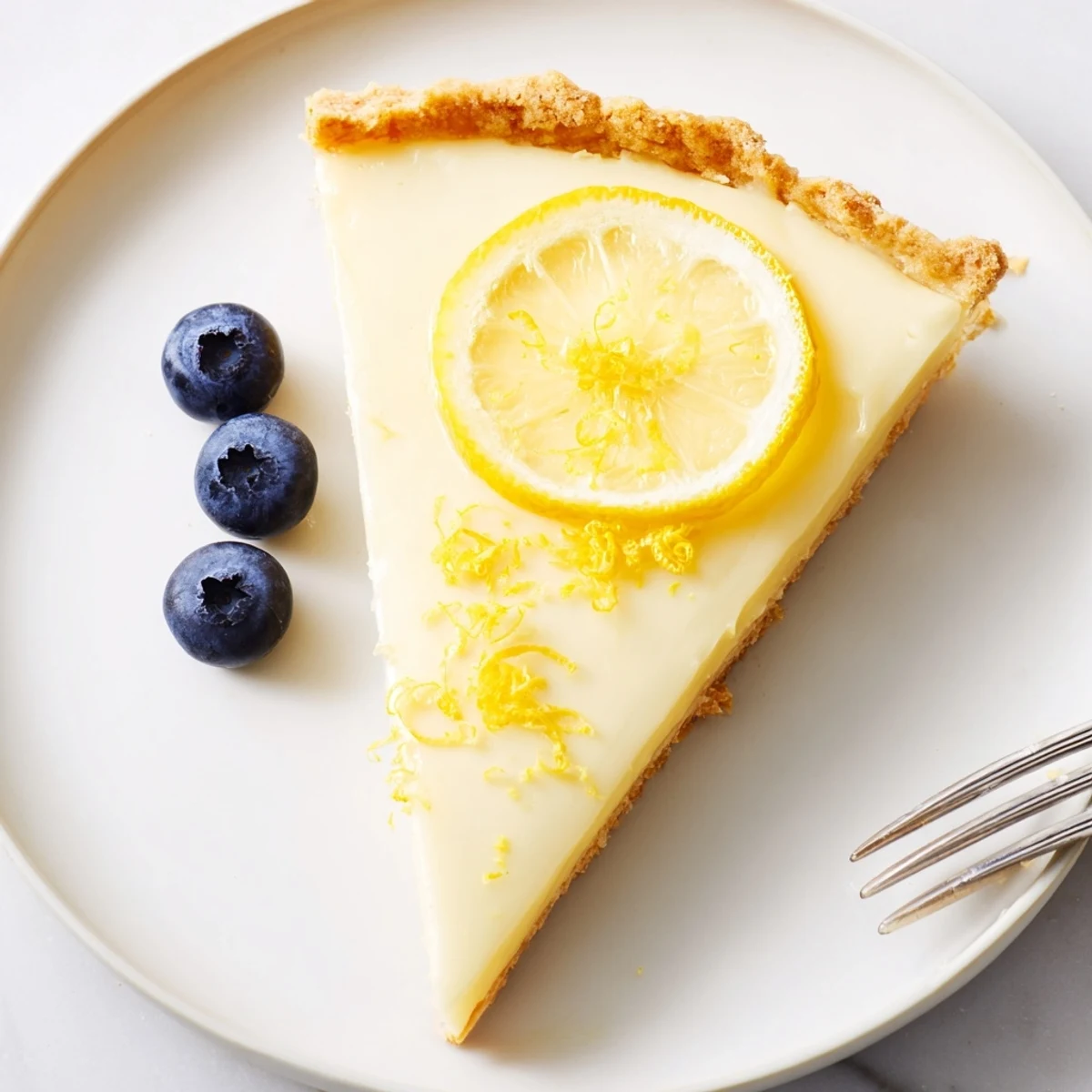
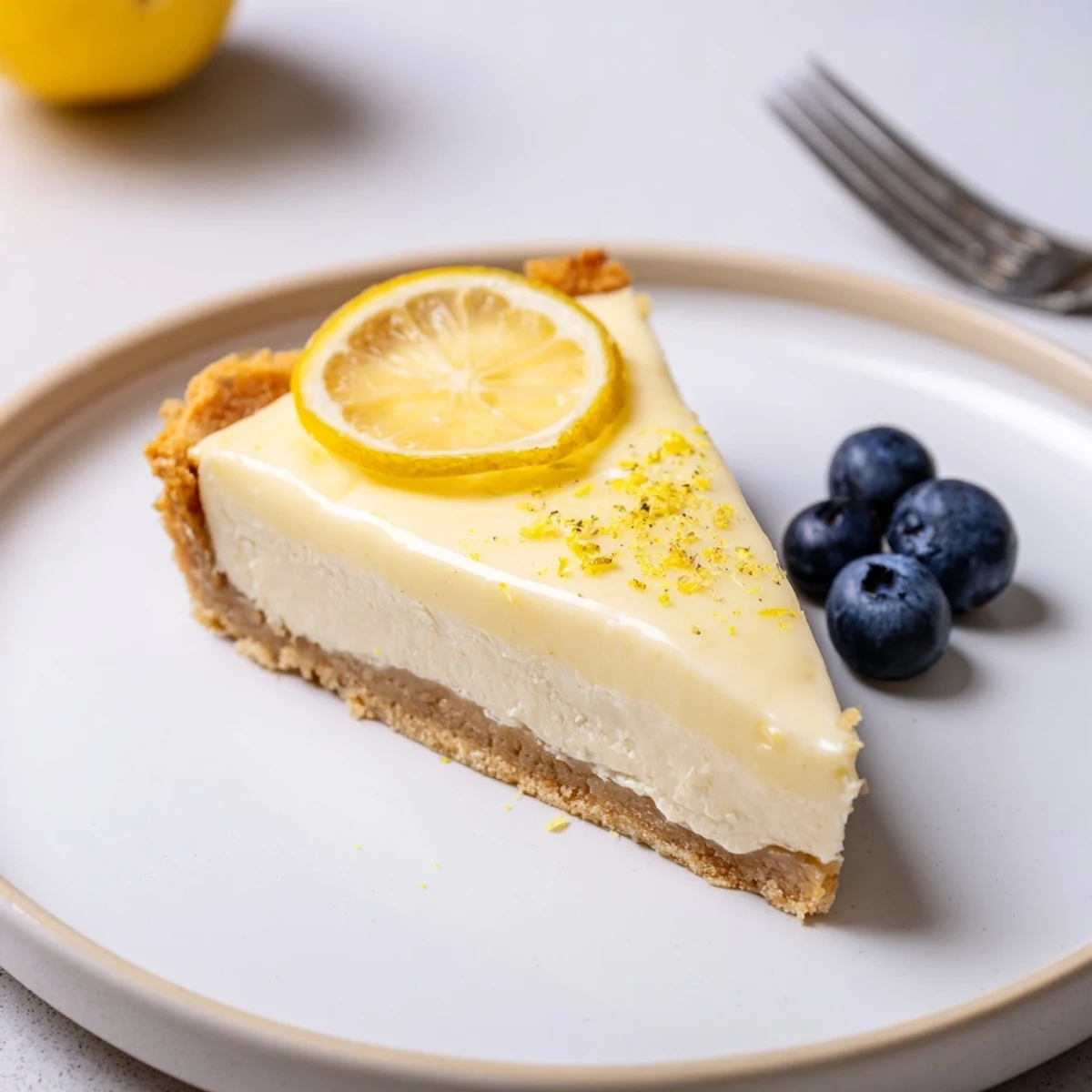
 Begin by making a crisp, buttery tart shell: pulse cold butter into flour and powdered sugar, add an egg yolk and a little ice water, chill and roll thin. Blind-bake at 350°F until golden. Whisk heavy cream with eggs, extra yolks, granulated sugar, lemon zest and fresh lemon juice, pour into the warm shell and bake at 300°F until just set. Cool fully, then chill at least 1 hour to firm the silky lemon filling. Dust with powdered sugar and top with berries or candied lemon for a bright finish.
Sometimes, the transformation of sharp lemons into a mellow, custardy filling is pure magic. I once caught the scent of sun-warmed lemon zest wafting through the kitchen, brightening even a gray afternoon as I whisked the cream and eggs together. The tart snap of the crust giving way under a fork always makes me smile—it somehow manages to surprise each time. That gentle alchemy between tartness and sweetness is what drew me to this recipe in the first place.
Last summer during a rare cool evening, I made this lemon tart for friends who dropped by unexpectedly. As we hovered around the table, the chilled filling soothed sun-flushed cheeks and the only thing louder than our laughter was the crackle of the knife slicing into the crisp crust. It’s funny how something as simple as citrus could spark such a relaxed, happy gathering. I remember wishing the night would linger a little longer, just like the flavor.
Ingredients
- All-purpose flour: Choose a good quality plain flour for a tender crust that never gets tough if you handle it gently and don’t overwork it.
- Powdered sugar: The fine texture sweetens the pastry without grittiness and I learned to sift it right in to avoid lumps.
- Salt: Even a pinch lets all the sweet and tangy flavors shine brighter in both crust and filling.
- Unsalted butter, cold and cubed: Keep it straight from the fridge; those cold bits are what make the crust so flaky and crisp.
- Large egg yolk: The secret to extra richness and a dough that holds its shape, but don’t let any white sneak in or it’ll toughen the crust.
- Cold water: Add just enough to bring the dough together—the dough is ready when it just holds, no more.
- Heavy cream: This is what creates that silky, almost mousse-like filling, so choose full-fat cream for best results.
- Granulated sugar: Balances the tang of the lemons and gives a gentle sweetness to the custard.
- Large eggs and extra yolks: Using both whole eggs and yolks makes the filling set beautifully while still feeling creamy on the tongue.
- Lemon zest: Grab organic lemons if you can and zest them before you juice—otherwise, things get slippery.
- Fresh lemon juice: There’s no replacement for squeezing your own and straining out stray seeds for perfectly smooth custard.
- Pinch of salt: Just a touch in the filling brightens everything up—don’t skip it.
- Powdered sugar (for dusting): Optional, but dusted on just before serving, it adds a sparkle that never fails to impress guests.
- Fresh berries or candied lemon slices: These are extras, but a handful of juicy berries makes every slice look like something special from a patisserie.
Instructions
- Prep the Oven:
- Set your oven to 350°F (175°C) so you’ll be ready to start as soon as the dough comes together and the kitchen gets a gentle warmth to it.
- Make the Crust:
- Toss the flour, powdered sugar, and salt into a food processor and pulse, then tumble in cold butter cubes and work them in just until the mixture looks like damp sand and clumps if you squeeze it.
- Add Wet Ingredients:
- Drop in the egg yolk and two tablespoons of icy water, pulsing until the dough just starts to gather; add another splash only if it’s stubbornly dry.
- Chill the Dough:
- Gather the dough on a floured board, form into a tidy disk, wrap snugly, and chill for 30 minutes—you’ve earned a quick coffee break.
- Roll and Shape:
- Roll out to about 1/8-inch thick, gently ease into a 9-inch tart pan, trim the edges, prick the base with a fork for good measure, and freeze for 10 minutes so it holds its shape.
- Blind Bake:
- Line with parchment, fill with pie weights or dry beans, and bake for 15 minutes; remove the weights, then bake another 8–10 minutes until the crust just blushes golden and smells toasty.
- Lower the Oven:
- Dial down the oven temperature to 300°F (150°C) so the filling bakes slowly and stays smooth.
- Whisk the Filling:
- Vigorously whisk cream, sugar, whole eggs, extra yolks, zest, juice, and salt until totally smooth—listen for the whisk changing from heavy to light as it all comes together.
- Bake the Tart:
- Pour the filling into the cooled crust, return gently to the oven, and bake 20–25 minutes until just set with a bit of jiggle in the very center.
- Chill and Garnish:
- Let the tart cool to room temp and then chill at least an hour in the fridge—you’ll be able to slice it clean and add a snow of powdered sugar just before serving.
 Pin it
 One afternoon my neighbor stopped by, waving a basket of lemons from her backyard, and our impromptu bake-off ended with both of us grinning over the perfect silky filling. That tart never even made it to plates—it was eaten in forkfuls straight from the tin. The kitchen smelled of butter and citrus for hours afterward. It was the sort of happy kitchen chaos that makes recipes like this unforgettable.
Making the Most of Citrus
Using fresh, unwaxed lemons is the move—I once tried with bottled juice and the filling lost all its brightness. The extra zest gives the tart an aroma that perfumes the kitchen long after you’re done baking. Even when zesting, keep the grater at an angle so you just catch the yellow skin. That subtle layer is where all the essential oils live, and in this recipe they make all the difference.
The Best Way to Blind Bake
I used to wonder if skipping parchment or pie weights would really matter (it does!). Once, my crust puffed up into a lopsided pillow, and I spent the next half hour patching cracks with extra pastry crumbles. Counting out enough beans or proper weights, though, gives you a crust that is delightfully even and oh so crisp.
Serving and Storing Leftovers
If you manage to have leftovers, the tart keeps its creaminess well in the fridge for up to three days. The flavors seem to mellow and blend overnight, making the next-day slices somehow even silkier. I always slice with a warm, clean knife for the neatest wedges.
- Let the tart warm slightly at room temp before serving for best texture.
- Wrap leftovers snugly so they don’t pick up fridge odors.
- Berries make an easy, beautiful garnish if you’re serving guests again.
 Pin it
 May each bite of this lemon tart bring a jolt of sunshine to your day, just as it does for me. Don’t be surprised when everyone asks for seconds—or the recipe.