
 Pin it
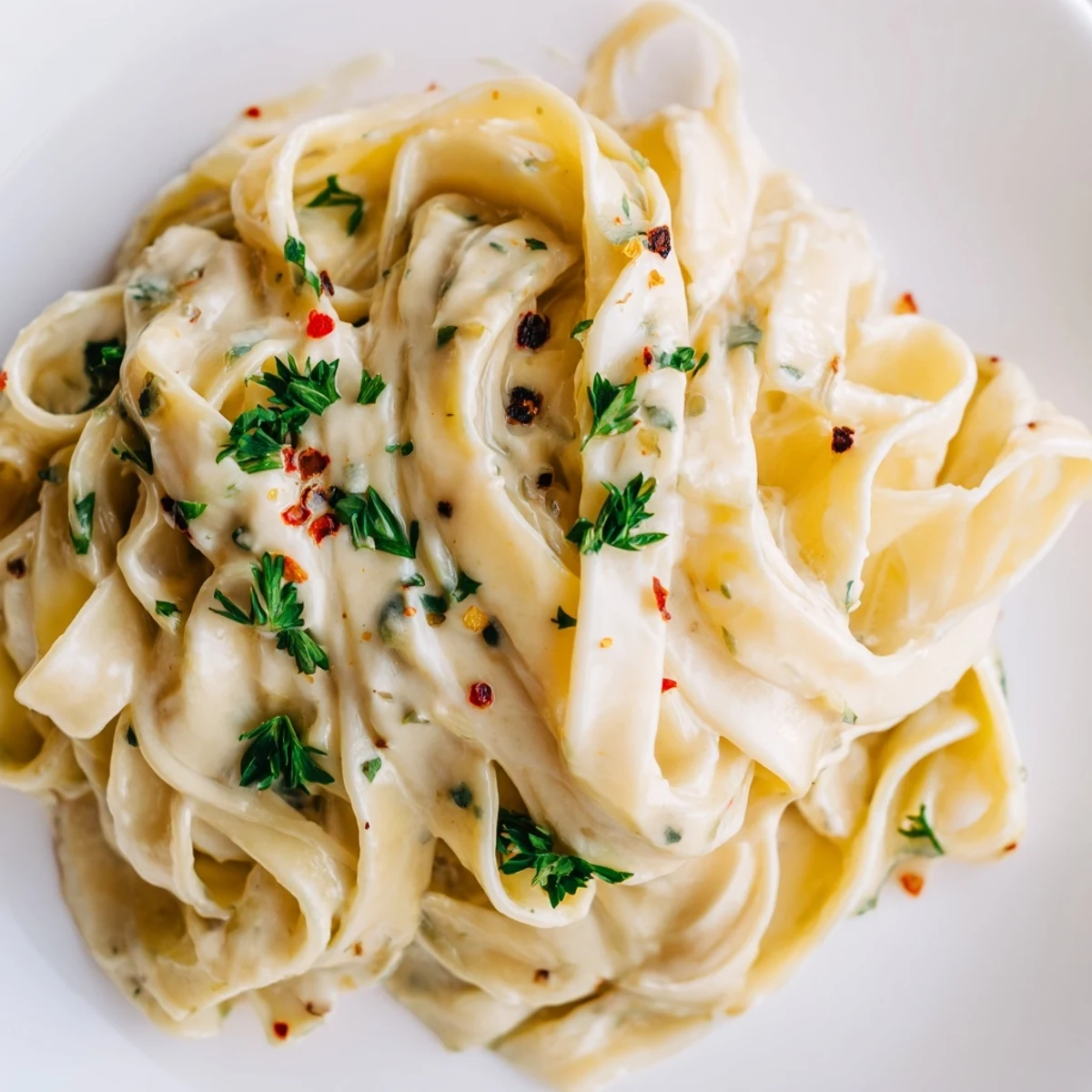
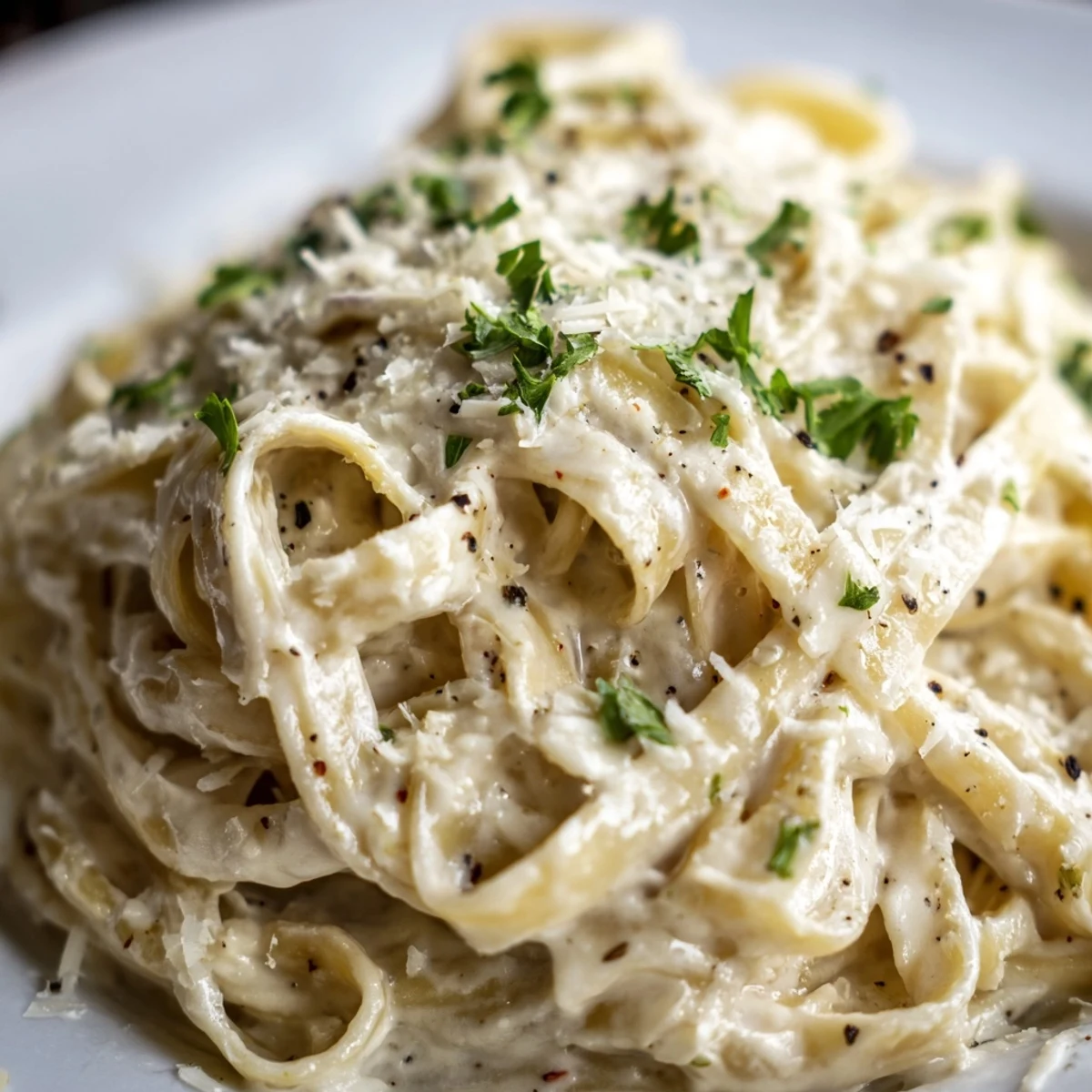
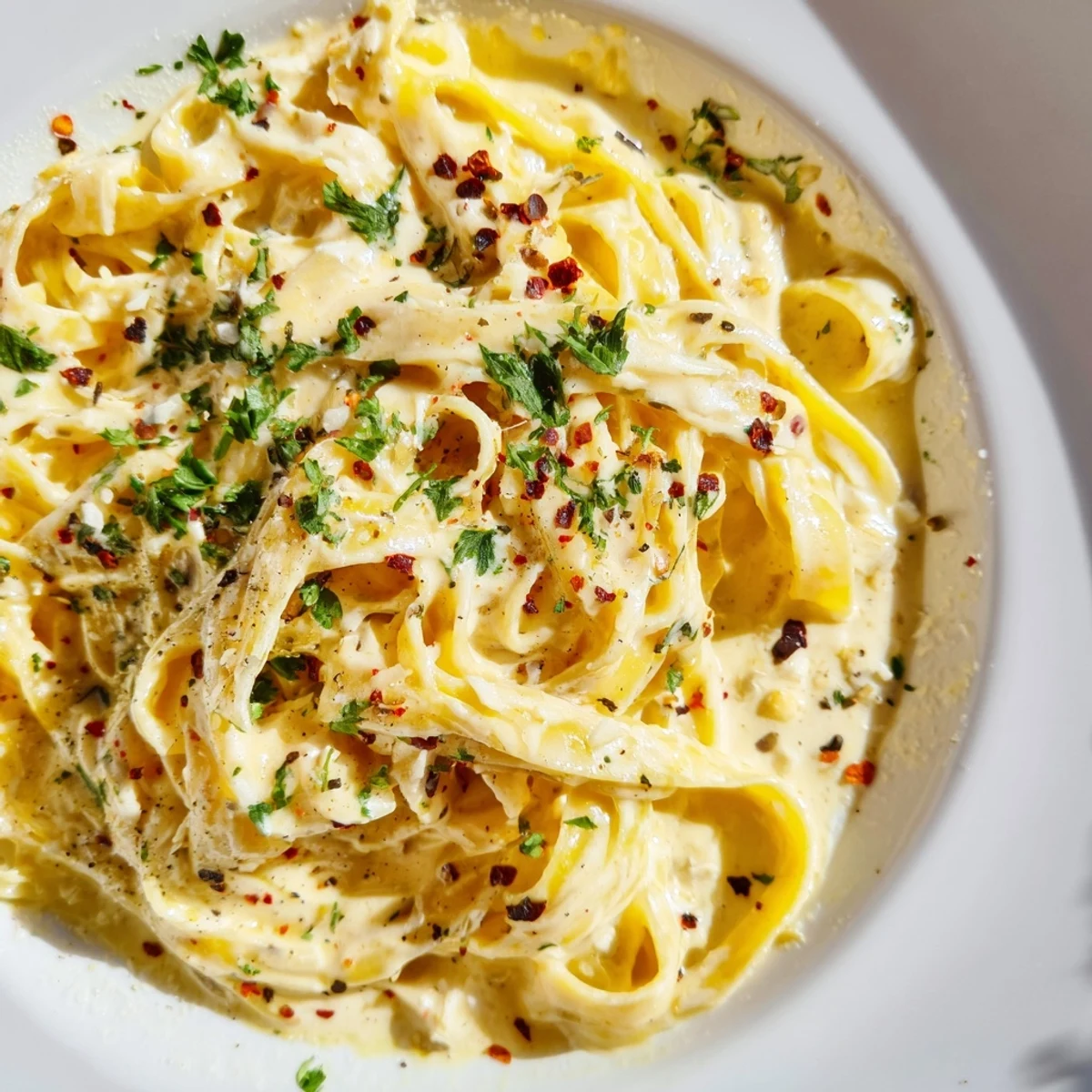
 This creamy garlic pasta brings together the richness of a velvety cream sauce with a burst of fresh parsley. Made with sautéed garlic, butter, olive oil, and Parmesan, the sauce gently coats tender fettuccine or spaghetti for a smooth, comforting texture. The parsley garnish adds vibrant color and a subtle herbaceous note, creating a perfect balance of flavors. Quick to prepare and ideal for cozy dinners or elegant sides.
There's something almost magical about the smell of garlic hitting warm butter—it fills your kitchen in seconds and makes everything feel like a celebration. I discovered this creamy garlic pasta one quiet weeknight when I had nothing but pantry staples and maybe twenty minutes, and somehow it became the dish people now ask me to make. The sauce comes together so effortlessly that you'll wonder why you ever bought jar sauce, and the fresh parsley at the end brings this unexpected brightness that makes it taste both elegant and comforting at once.
I made this for my sister once when she showed up unannounced on a Tuesday, exhausted from work and without any particular dinner plans. By the time the pasta was done draining, the smell had already lifted her mood, and she sat at the counter watching the cream transform into something silky and rich. We ate it straight from the skillet standing in my kitchen, and she's been requesting it ever since.
Ingredients
- Fettuccine or spaghetti, 350 g: Use whatever shape you have on hand, though thinner pasta lets the sauce cling better than thick shapes.
- Unsalted butter, 2 tbsp: This is where the richness starts—don't skip it or substitute with oil alone.
- Olive oil, 1 tbsp: It keeps the butter from browning too fast and adds a gentle depth.
- Garlic cloves, 6 large, finely minced: This is not the time to be shy; garlic is the whole point, so mince it small so it dissolves into the sauce.
- Heavy cream, 250 ml: The soul of this dish—don't water it down with milk unless you're deliberately going lighter.
- Parmesan cheese, 60 g, freshly grated: Pre-grated cheese has anti-caking agents that make your sauce grainy, so grate it fresh if you possibly can.
- Black pepper, freshly ground, ¼ tsp: Grind it right before you use it; the flavor difference is real.
- Salt, ½ tsp: Taste as you go because pasta water and cheese both add saltiness.
- Red pepper flakes, a pinch: Optional but worth a tiny sprinkle for a whisper of heat.
- Fresh flat-leaf parsley, 20 g, chopped: This bright finish is non-negotiable; it's what prevents the dish from feeling heavy.
- Extra Parmesan for serving: Always have more on the table because everyone will want it.
Instructions
- Get your pasta water ready:
- Fill a large pot with salted water—it should taste like the sea—and bring it to a rolling boil. Cook your pasta according to the package timing until it's just tender but still has a bit of chew when you bite it, which is what al dente really means. Before you drain it, scoop out about half a cup of that starchy pasta water and set it aside; you'll use it to adjust the sauce later.
- Build the garlic foundation:
- While your pasta finishes, place butter and olive oil together in a large skillet over medium heat and watch them melt together into something golden. Add your minced garlic and let it cook for just a minute or two until it becomes fragrant—you're listening for a gentle sizzle, not a loud fry, and you want it to smell amazing but still look pale, not brown.
- Introduce the cream slowly:
- Drop the heat down to medium-low, then pour in your cream while stirring constantly so it blends smoothly with the garlic and fat instead of seizing up. Let it simmer very gently for a couple of minutes, and you'll notice it'll start to thicken slightly as the heat works its magic.
- Add the cheese and seasonings:
- Now stir in your freshly grated Parmesan along with the salt, black pepper, and a tiny pinch of red pepper flakes if you're feeling it. Keep stirring for another minute or two until the cheese has completely melted and the sauce looks smooth and cohesive.
- Bring it all together:
- Add your drained pasta directly to the skillet and toss it gently so every strand gets coated in that creamy sauce. If it looks too thick, splash in some of that reserved pasta water a little at a time, stirring between each addition until you reach that perfect consistency where the sauce clings without drowning the pasta.
- Finish with the parsley:
- Remove everything from the heat and fold in your chopped parsley, which will brighten the whole dish instantly and add a fresh contrast to all that richness.
- Serve right now:
- Plate it immediately while it's still warm and silky, and set out extra Parmesan so everyone can add as much as they want.
 Pin it
 The first time someone told me they'd made this dish for their partner and it actually impressed them, I realized that sometimes the simplest meals carry the most weight. There's something about cooking something this delicious in such a short time that makes you feel like you've done something important.
Why This Works Every Time
The beauty of this pasta is that it relies on technique rather than complicated ingredients, so once you understand what's happening at each step, you can actually feel confident making it. The butter and oil create an emulsion that holds everything together, the cream provides body and richness, and the starch from the pasta water helps tie it all into one smooth sauce. It's not magic; it's just cooking, and it's absolutely within your reach.
Ways to Make It Your Own
This recipe is a beautiful blank canvas for whatever you have in your kitchen or whatever you're craving. I've stirred in sautéed mushrooms on nights when I wanted something more substantial, added cooked shrimp when I was feeling fancy, and tossed in a handful of spinach just because it was there. You can lighten the whole thing by swapping half-and-half for the heavy cream if you want something less rich, or use gluten-free pasta if that's what works for you.
The Little Details That Matter
Mise en place—having everything prepped and ready before you start cooking—makes this dish feel almost effortless, and at twenty minutes total, every second counts. Mince your garlic fine so it dissolves into the sauce rather than sitting as distinct little chunks, grate your cheese fresh because it melts so much more smoothly, and grind your pepper right before you use it. If you take nothing else from this recipe, remember these three things: garlic shouldn't brown, pasta water is precious, and fresh parsley is the difference between good and unforgettable.
- Taste the sauce before serving and adjust salt to your preference—you might want more than the recipe suggests.
- If the sauce breaks or looks separated, remove it from heat and whisk in a splash of cold pasta water to bring it back together.
- This dish is best eaten immediately, but if you have leftovers, reheat gently over low heat with a splash of milk or cream to restore the silky texture.
 Pin it
 This is the kind of recipe that reminds you why cooking at home matters; it's fast, it's delicious, and it brings people together. Make it tonight and taste the difference five minutes of actual effort can make.
Recipe FAQs
- → What type of pasta works best for this dish?
-
Fettuccine or spaghetti are ideal as they hold the creamy garlic sauce well, allowing each strand to be evenly coated.
- → How can I make the sauce thicker or thinner?
-
Adjust the sauce consistency by adding reserved pasta water gradually; more water will thin the sauce, less will keep it rich and thick.
- → Can I substitute heavy cream with something lighter?
-
Yes, half-and-half can be used for a lighter sauce, though it may result in a less rich texture.
- → What is the purpose of sautéing garlic before adding cream?
-
Sautéing garlic releases its aroma and develops flavor, ensuring the sauce has a rich and fragrant base.
- → How does parsley enhance the dish?
-
Fresh parsley adds a burst of color and a mild herbaceous flavor that balances the richness of the cream sauce.
- → Are there suggested additions to boost protein content?
-
Sautéed mushrooms, cooked chicken, or shrimp can be added to increase protein and add variety.