
 Pin it
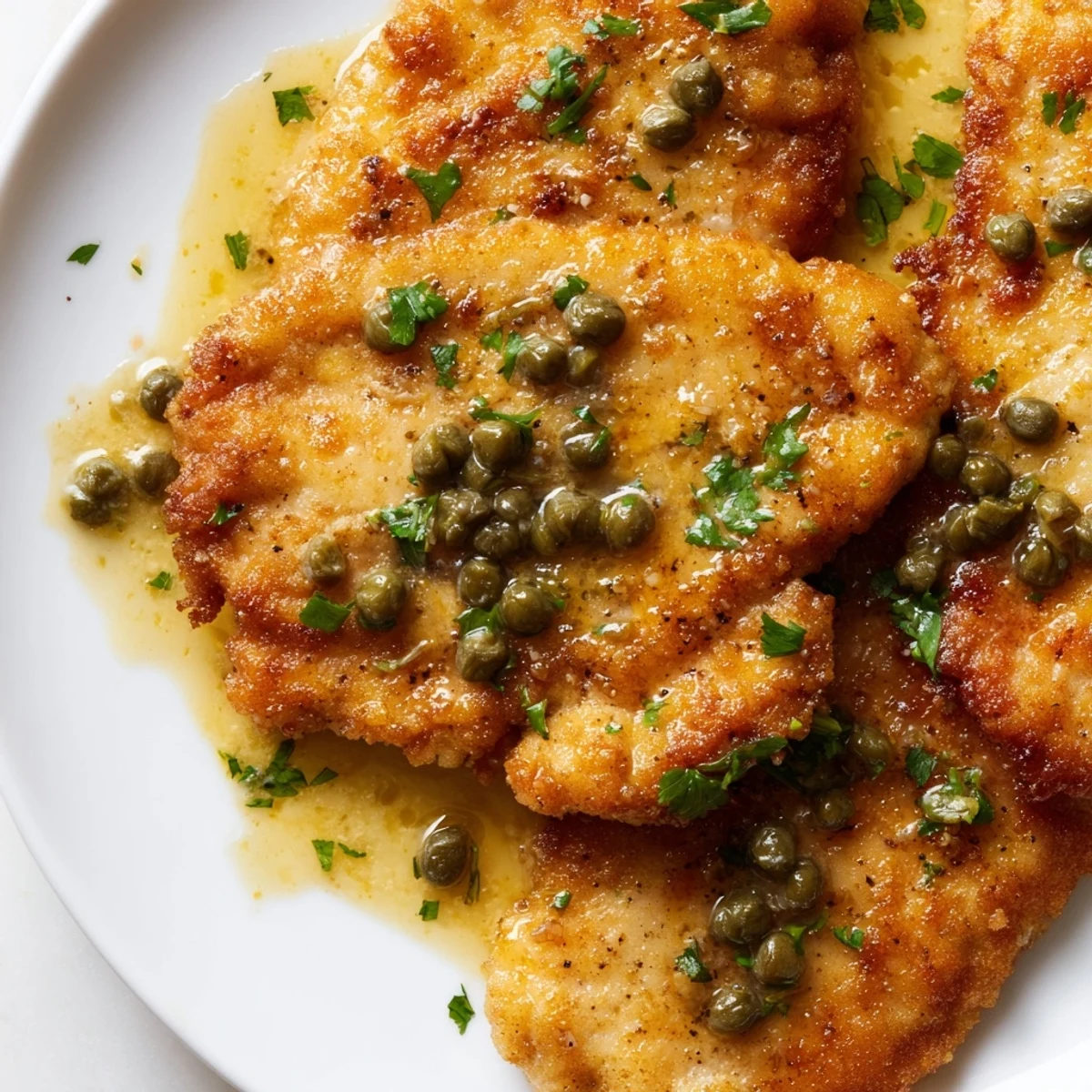
 This dish features thin chicken cutlets lightly dredged in flour and sautéed until golden brown. They're then simmered briefly in a tangy sauce made from lemon juice, capers, white wine or broth, and butter for richness. The result is a bright, savory meal that pairs beautifully with pasta, rice, or sautéed vegetables. Fresh parsley adds a final herbal note, making it a simple yet elegant Italian-American classic.
One Tuesday evening, I was scrambling to put dinner on the table when my neighbor stopped by with a bottle of white wine and mentioned she'd just gotten back from Italy. We ended up cooking together, and she showed me how to pound chicken cutlets thin and finish them with the brightest lemon-caper sauce I'd ever tasted. That night, something clicked—it was fast, elegant, and somehow made me feel like I'd traveled somewhere just by cooking it.
I made this for my sister's book club once, worried it might seem too simple for company. But watching everyone scoop up the last bit of that lemony sauce with their forks told me I'd gotten it exactly right. Now it's the dish I reach for when I want to impress without stress.
Ingredients
- Chicken breasts: Two large ones, sliced in half horizontally, give you four thin cutlets that cook through in minutes and absorb all that bright sauce.
- All-purpose flour: The light coating keeps the chicken tender inside and gives the pan just enough richness to build flavor.
- Salt and black pepper: Season the flour generously—this is where the chicken's flavor really starts.
- Olive oil: Use good-quality oil; it's doing real work here, not hiding in the background.
- Unsalted butter: Optional but worth it for a silkier, more luxurious sauce at the end.
- Dry white wine: Chicken broth works if you're avoiding alcohol, but wine adds a subtle sophistication that's hard to replicate.
- Chicken broth: Keeps the sauce from being purely acidic and rounds out the flavors.
- Freshly squeezed lemon juice: This is non-negotiable—bottled lemon juice tastes flat and tired in comparison.
- Capers: These little brined buds are what make the dish—tangy, salty, and impossible to forget once you taste them.
- Fresh parsley: Sprinkled at the very end, it adds color and a peppery freshness that wakes everything up.
Instructions
- Pound the chicken thin:
- Place cutlets between plastic wrap and pound to an even half-inch thickness—you want them uniform so they cook at the same pace. This is also oddly therapeutic.
- Dredge in flour:
- Mix flour, salt, and pepper in a shallow dish, then coat each cutlet, shaking off the excess. You're building a delicate, golden crust here.
- Sear until golden:
- Heat oil and a tablespoon of butter in a large skillet over medium-high heat. Sear cutlets 2–3 minutes per side until they're golden brown and cooked through, working in batches if your skillet is crowded. Listen for that satisfying sizzle—it's your cue you're doing it right.
- Build the sauce base:
- Lower the heat to medium, pour in the wine, and scrape up all those browned bits stuck to the pan. Let it simmer for a minute or two until it reduces by about half—you're concentrating the flavors.
- Add broth, lemon, and capers:
- Pour in the broth, then add the fresh lemon juice and capers. Simmer for 2–3 minutes until the sauce is slightly thickened and smells absolutely incredible.
- Return chicken and finish:
- Slip the cooked chicken back into the skillet, spoon that glossy sauce over the top, and let it warm through for just a minute. Stir in the remaining butter if you want extra richness and silkiness.
- Garnish and serve:
- Scatter fresh parsley over everything and serve immediately while the sauce is still warm and the chicken is at its best.
 Pin it
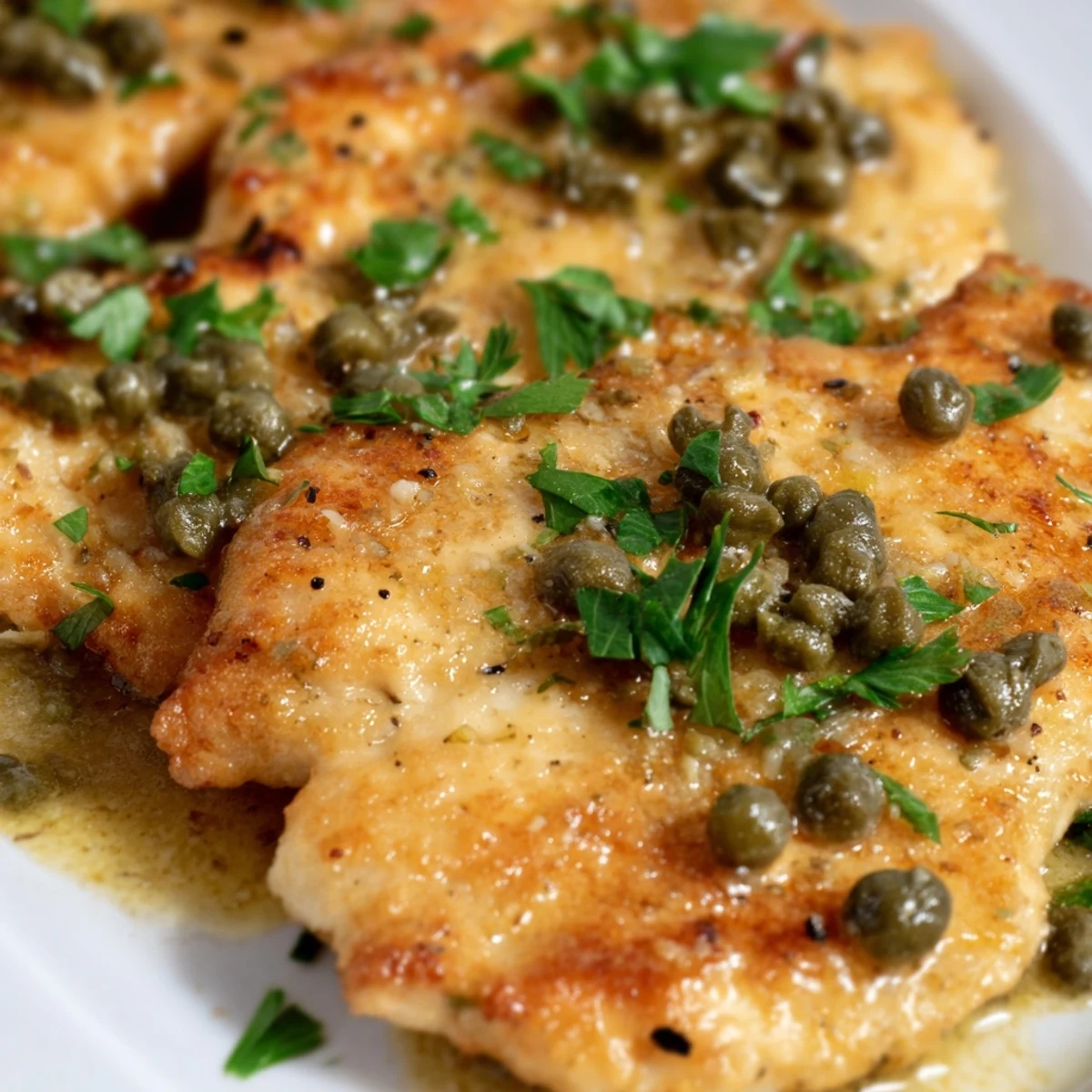
 There's something magic about the moment when you pour that lemon sauce over the golden chicken and the whole kitchen fills with this herbaceous, tangy aroma. It's the moment you know dinner is going to be really good.
The Secret of Capers
Capers are small pickled flower buds that bring a burst of briny, slightly floral tang to any dish. They're not something you eat a lot of at once, but scattered throughout the sauce, they become this wonderful flavor accent that people taste and ask about. I learned to always rinse and drain them a bit to control the salt level and prevent the sauce from becoming too aggressive.
Why This Works as a Weeknight Dinner
Most elegant-sounding dishes take forever, but this one is genuinely quick because the chicken cooks fast and the sauce comes together while you're finishing the bird. You're not standing over the stove for an hour worrying. By the time you've set the table and poured a glass of wine, dinner is ready.
What to Serve Alongside
The sauce is the star here, so you want something that catches every drop. Buttered pasta is the classic choice, but roasted vegetables work beautifully too, and a simple green salad balances the richness. I've also served it over rice for a lighter feel, or even with crusty bread to soak everything up.
- Pasta, rice, or roasted vegetables all pair beautifully—choose based on what you're in the mood for.
- A crisp white wine like Pinot Grigio or Sauvignon Blanc is the perfect companion, whether you're cooking with it or sipping it with dinner.
- Don't skip the fresh parsley at the end—it's the final touch that brings freshness and color to the plate.
 Pin it
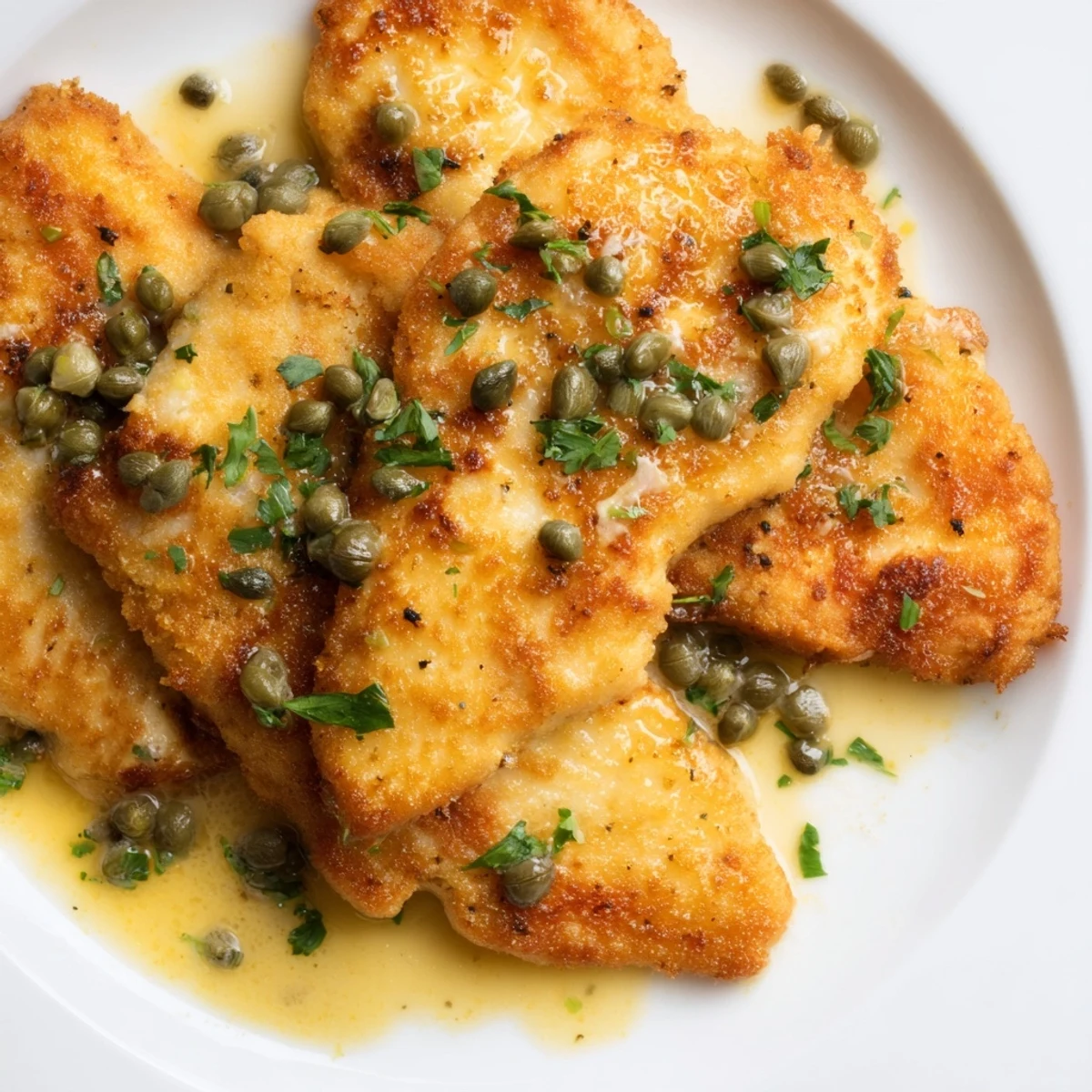
 This dish has become my go-to for those nights when I want to cook something that feels special but not stressful. It's proof that elegant food doesn't have to be complicated.
Recipe FAQs
- → What cut of chicken works best?
-
Boneless, skinless chicken breasts sliced into thin cutlets ensure quick, even cooking and tender texture.
- → Can I substitute white wine in the sauce?
-
Yes, chicken broth can replace white wine for an alcohol-free version without sacrificing flavor.
- → Why dredge chicken in flour before cooking?
-
Lightly coating chicken in flour helps create a golden crust and slightly thickens the sauce during cooking.
- → Is butter necessary in the sauce?
-
Butter adds richness and a silky texture but can be omitted or replaced with olive oil for a dairy-free option.
- → What side dishes complement this dish?
-
Pasta, rice, or sautéed vegetables work well, balancing the bright and savory flavors of the sauce.
- → How can I vary the herbs used?
-
Fresh basil or dill can substitute parsley to add different aromatic profiles to the dish.