
 Pin it
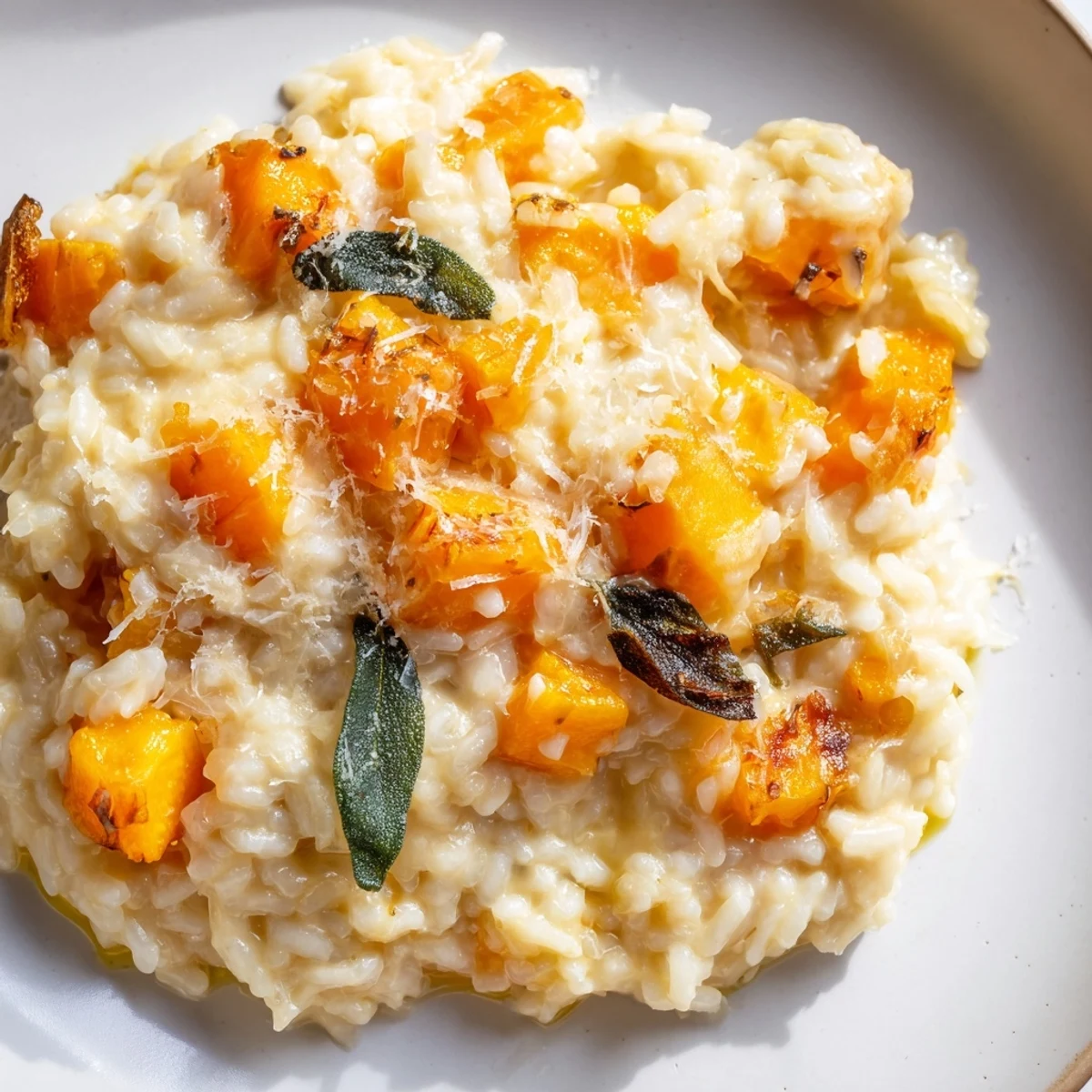
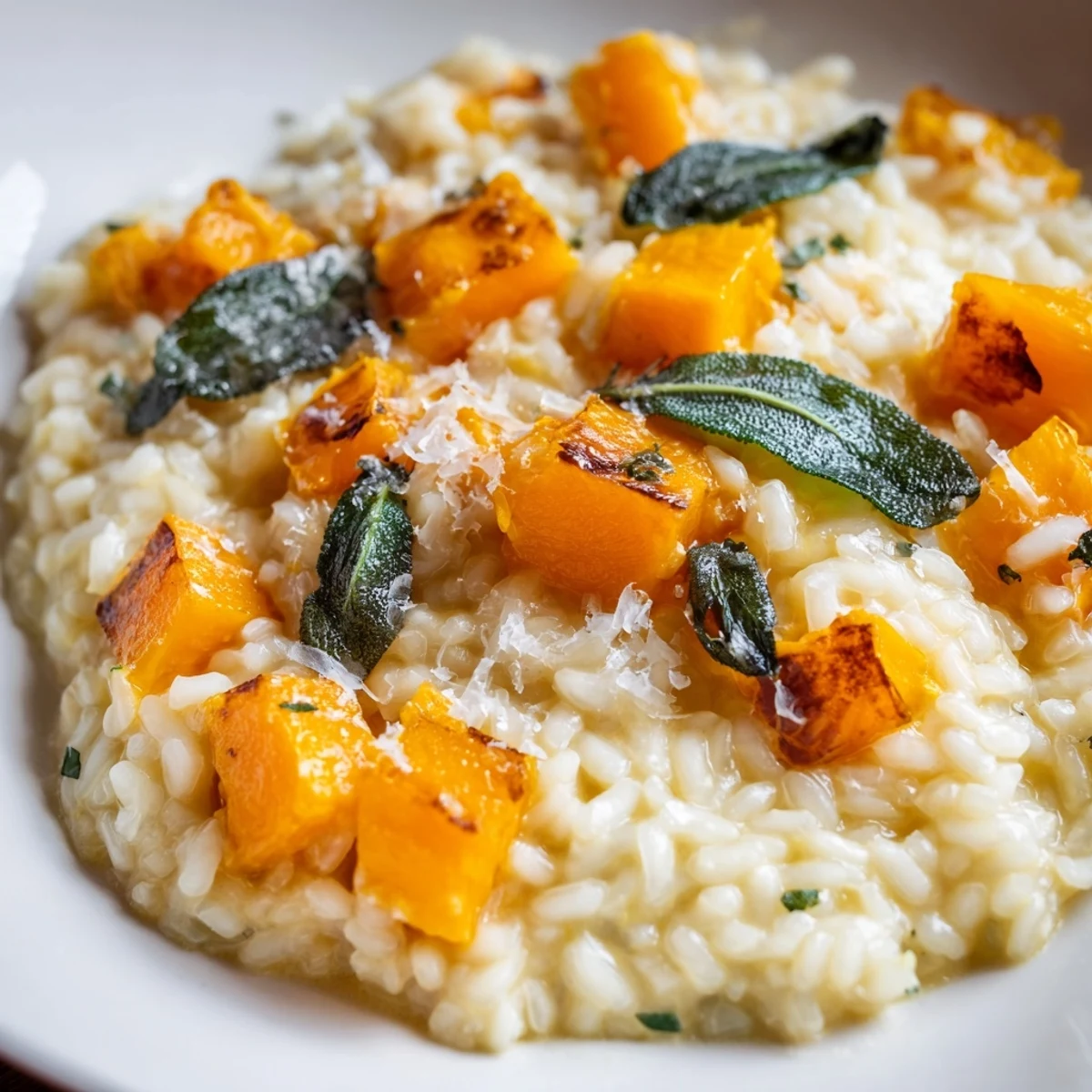
 This comforting autumnal dish features creamy Arborio rice gently simmered with roasted butternut squash, creating a naturally sweet base. The rice is cooked slowly in warm vegetable stock, allowing the grains to release their creamy texture. A finishing touch of grated parmesan adds savory richness, while crispy fried sage leaves provide a crisp, aromatic contrast. Ideal for vegetarians and adaptable to gluten-free diets, this dish balances warmth and elegance in every bite.
There's something about the smell of butternut squash roasting in the oven that pulls me back to a Friday evening when a friend showed up unannounced with a bunch of farmers market vegetables and zero dinner plans. I'd never made risotto before, but watching the way those golden grains started releasing their starch into the broth felt like learning a secret the rice had been keeping all along. That night became the moment I understood why some dishes feel like a hug on a plate.
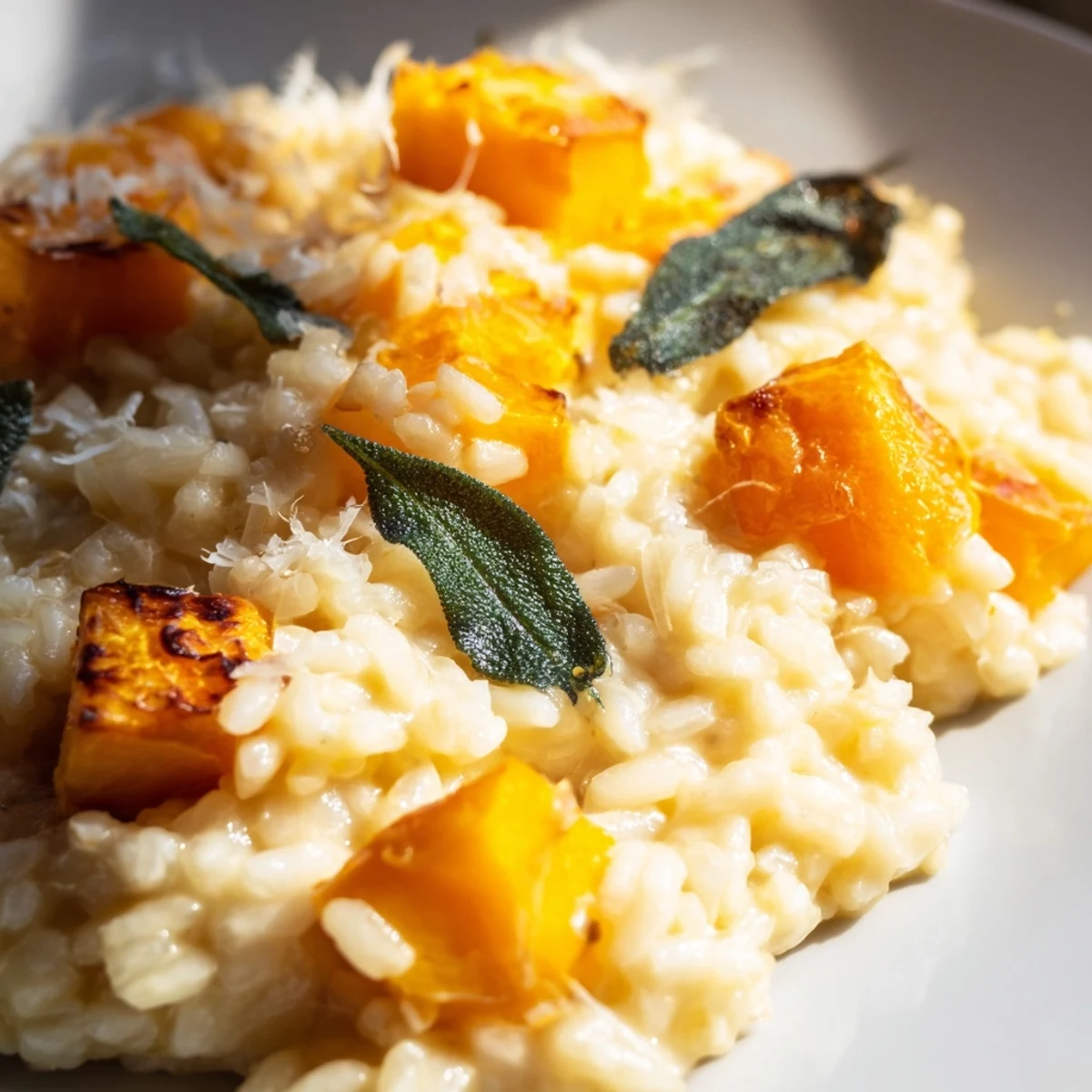
I made this for my sister on an unexpectedly chilly September afternoon, when she'd been going through a rough stretch and needed comfort food that didn't announce itself. What surprised me was how the golden squash pieces seemed to catch the light in the bowl, and how she got quiet in that way people do when food touches something deeper than hunger. She asked for the recipe that same day.
Ingredients
- Butternut squash (1 medium, about 900 g): Roasting it first concentrates the sweetness and prevents watery risotto, which I learned the hard way when I tried to add raw chunks once.
- Arborio rice (300 g): The starch in this rice is what creates that creamy texture without cream—don't substitute short-grain unless you like the texture of porridge.
- Vegetable stock (1.2 liters): Keep it warm in a separate pot so each ladle doesn't shock the rice and interrupt the cooking process.
- Yellow onion (1 medium): Finely chopped helps it disappear into the rice and build flavor gradually rather than announce itself.
- Garlic (2 cloves): Minced, added after the onion so it doesn't burn and turn bitter.
- Unsalted butter (60 g): Use the good stuff—half goes to fry the sage, half gets stirred in at the end for richness.
- Parmesan cheese (60 g): Freshly grated melts better than pre-shredded, which contains anti-caking agents that create a grainy texture.
- Fresh sage leaves (12–15): These become golden and brittle when fried, completely transforming their flavor from peppery to almost nutty.
- Olive oil (2 tbsp): Keep it neutral and fruity, nothing too aggressive.
- Salt and black pepper: Add gradually throughout—risotto absorbs seasoning unevenly if you wait until the end.
Instructions
- Roast the squash:
- Toss diced butternut squash with 1 tbsp olive oil, salt, and pepper, then spread on a baking sheet. Roast at 200°C (400°F) for 20–25 minutes, turning once, until golden and tender with slightly caramelized edges. This step is non-negotiable—it's where the sweetness concentrates.
- Crisp the sage:
- In a large sauté pan or Dutch oven, heat 2 tbsp butter and 1 tbsp olive oil over medium heat. Lay sage leaves flat in a single layer and fry for 1–2 minutes until they darken and become paper-thin and brittle. Remove with a slotted spoon onto paper towels to drain and crisp further.
- Build the base:
- In the same pan, add the finely chopped onion and cook for 4–5 minutes over medium heat until it turns translucent and soft, scraping up any sage bits. Add minced garlic and cook for exactly 1 minute—any longer and it burns.
- Toast the rice:
- Stir in the Arborio rice and cook for 2 minutes, stirring constantly until the grains look glossy and coated. You'll feel the texture change under your spoon as the heat starts to open up the grain.
- Add stock gradually:
- Pour in one ladle of warm vegetable stock, stirring frequently until it's almost entirely absorbed before adding the next ladleful. This rhythm takes about 18–20 minutes and is where risotto becomes meditative—it asks you to stay present and keep stirring.
- Finish and serve:
- When the rice is creamy and still slightly firm when you bite it, fold in the roasted squash gently. Stir in the remaining 2 tbsp butter and grated Parmesan until everything becomes glossy and cohesive. Taste and adjust seasoning, then serve immediately while it's still flowing on the plate.
 Pin it
 There's a moment near the end of making risotto when the rice suddenly transforms from individual grains to something unified and alive, and you realize your patience has actually become part of the dish. That's the moment I wait for, the one where it stops being cooking and becomes something you've created together with the ingredients.
Why This Dish Works in Autumn
Butternut squash is at its peak from September through November, when the flesh is dense and sweet and the skin hasn't gotten tough and bitter from storage. Pairing it with risotto bridges the gap between the warmth people crave as the weather turns and the bright, delicate flavors that make you want to taste everything. It's a dish that feels both elegant and completely unselfconscious about what it is—comfort that doesn't apologize.
The Magic of Crispy Sage
Most of us are used to sage as a dried herb, dusty and subtle, but frying fresh leaves in hot butter transforms them entirely. The moisture cooks out, the flavor concentrates and shifts from peppery to almost nutty, and what you're left with is something crispy enough to crunch between your teeth. It only takes a minute or two—watch the leaves carefully because the line between crispy and burnt is about thirty seconds wide.
Making It Your Own
Once you understand how risotto works, this recipe becomes a template rather than a rulebook. Winter calls for mushrooms and thyme, spring brings asparagus and tarragon, summer asks for zucchini and basil. The technique stays the same; only the vegetables and aromatics change with what's available.
- If you want richer flavor and have white wine on hand, substitute half the stock with dry white wine added right after toasting the rice.
- For a vegan version, swap the butter and Parmesan with vegan alternatives without changing anything else about the method.
- A crisp Pinot Grigio or Vermentino alongside makes the meal feel complete and the wine's acidity cuts through the richness in the best way.
 Pin it
 This risotto is the kind of dish that asks you to slow down and trust the process, and rewards that patience with something creamy and golden and exactly what you needed without having to ask. Make it once for someone and they'll ask you to make it again.
Recipe FAQs
- → How do I achieve a creamy texture in the rice?
-
Slowly adding warm vegetable stock in small portions and stirring frequently helps to release the rice's natural starches, resulting in a creamy consistency.
- → What is the best way to prepare the sage leaves?
-
Fry fresh sage leaves in butter and olive oil over medium heat until golden and crisp, then drain on paper towels to maintain crispness.
- → Can I use a substitute for parmesan cheese?
-
For a plant-based option, replace parmesan with a vegan cheese alternative or nutritional yeast to maintain a savory flavor.
- → How should the butternut squash be cooked before combining with rice?
-
Roast diced butternut squash in olive oil with salt and pepper at 200°C (400°F) until tender and caramelized, about 20-25 minutes.
- → Is it possible to enhance flavor using wine?
-
For added depth, replace half the vegetable stock with dry white wine after toasting the rice, allowing the alcohol to evaporate while enriching flavor.
- → What tools are recommended for preparing this dish?
-
A large sauté pan or Dutch oven, baking sheet, ladle, wooden spoon, and a sharp chef's knife will facilitate smooth preparation.