
 Pin it
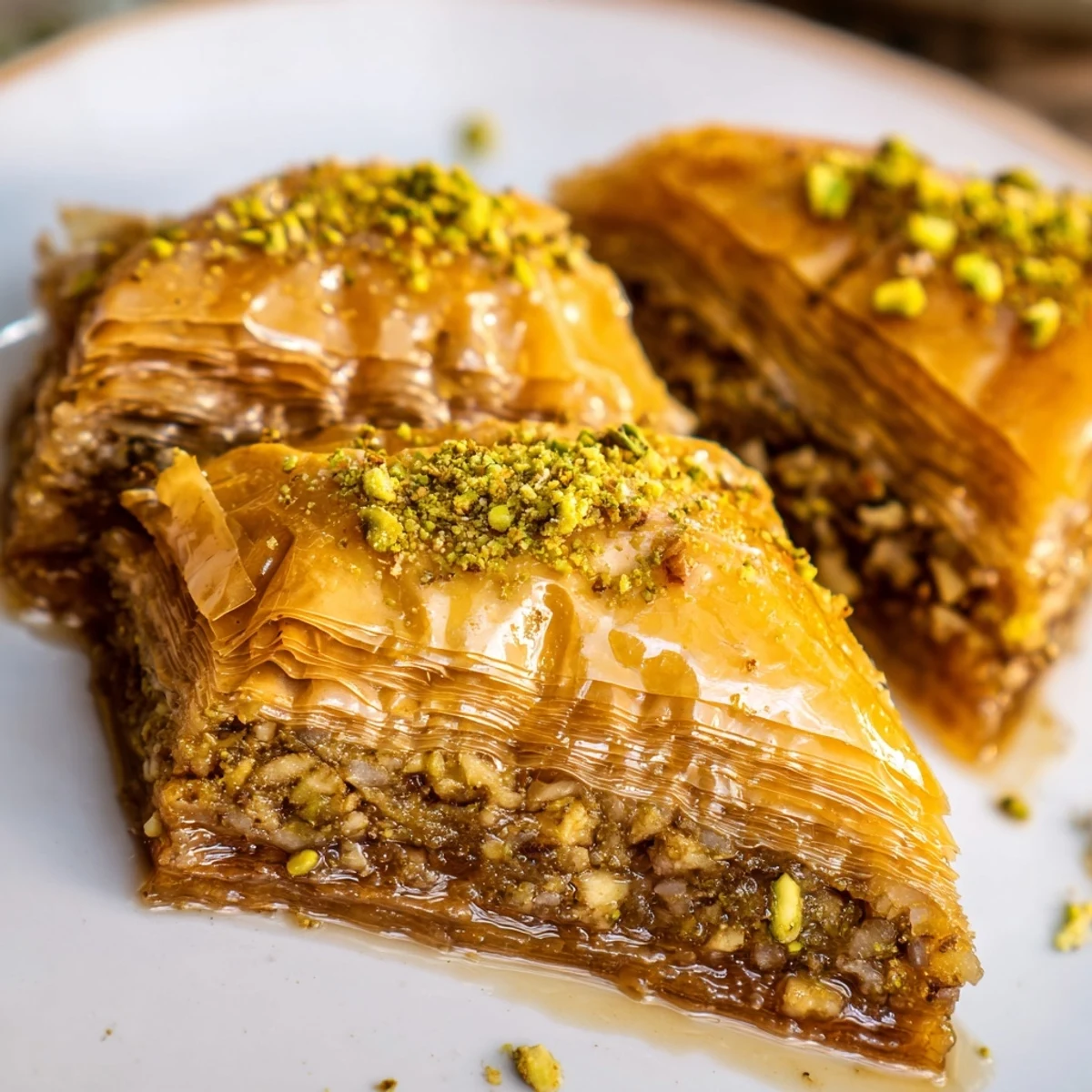
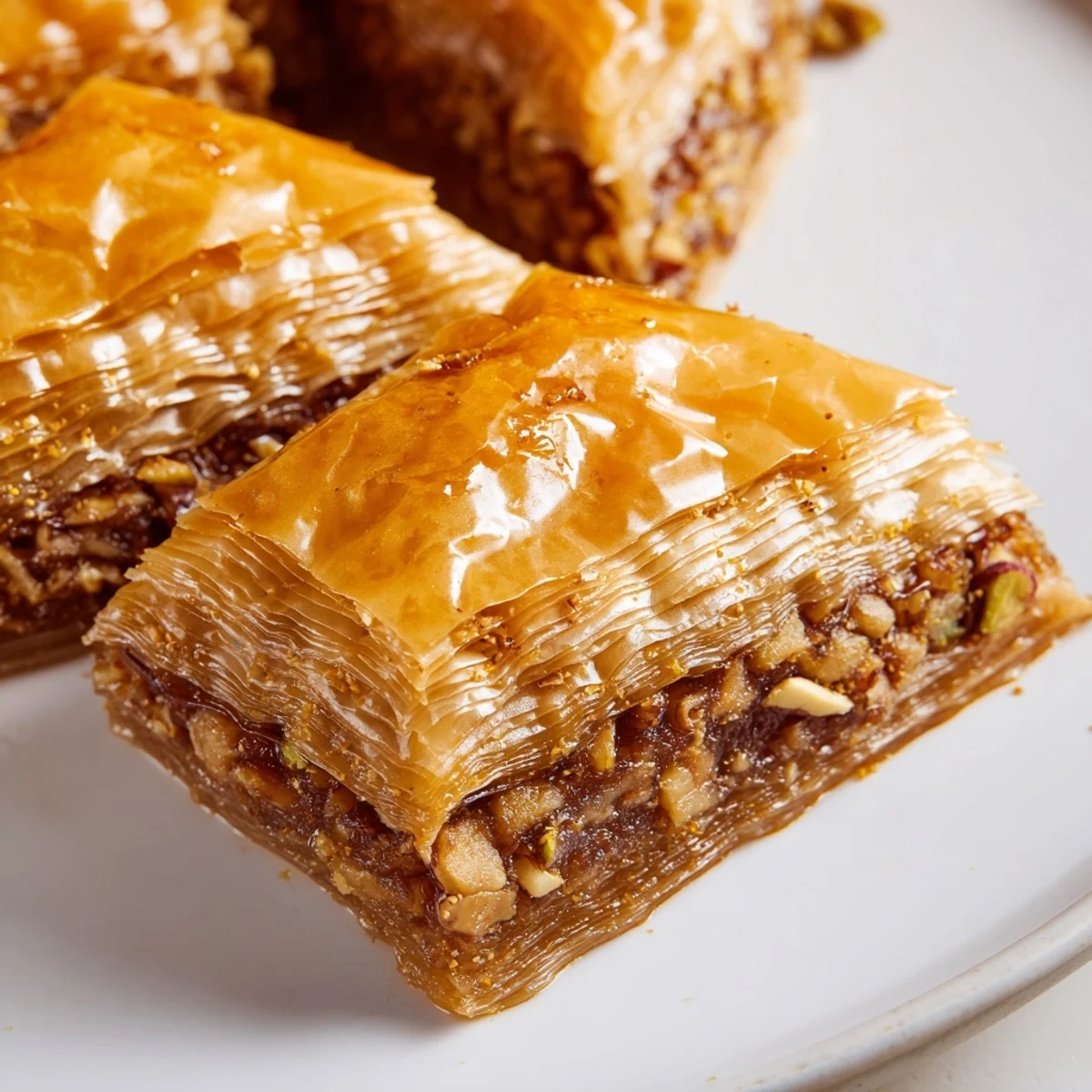
 This classic Bosnian dessert creates an irresistible combination of textures and flavors. Thin sheets of buttery phyllo dough alternate between layers of finely chopped walnuts, almonds, and pistachios seasoned with cinnamon and cloves. After baking to golden perfection, hot syrup made with sugar, honey, and rose water is poured over the crispy layers, allowing them to absorb the sweet fragrant liquid. The result is a rich, indulgent pastry with crisp yet tender layers that practically melt in your mouth. Best made a day ahead to let flavors fully develop.
The kitchen was already filled with the scent of butter when my grandmother first taught me to make baklava. She worked with such quiet confidence, her hands moving in a rhythm that made layering phyllo look effortless. I remember trying to copy her motions and tearing three sheets in a row. She just smiled, gathered the pieces, and said the most beautiful baklava sometimes comes from imperfect moments.
That first batch I made alone came out slightly burnt at the edges because I got distracted by a phone call. But even then, the golden pieces in the center were so compelling that my roommates gathered around the counter, picking at the pan with their fingers. Thats when I understood why this pastry has traveled across centuries and borders.
Ingredients
- 500 g phyllo dough (about 20–24 sheets): Thaw completely in the refrigerator overnight, then bring to room temperature for 30 minutes before using
- 250 g walnuts, 100 g almonds, 100 g pistachios: Pulse these in short bursts so you get varied textures from fine to small chunks, not powder
- 100 g sugar: This balances the nuts without making the filling cloyingly sweet
- 1 tsp ground cinnamon and 1/4 tsp ground cloves: These spices give the filling its characteristic warmth and depth
- 250 g unsalted butter: Melt slowly and skim off the foam for the clearest, most pure butter flavor
- 400 g sugar, 250 ml water, 100 ml honey, 1/2 lemon juice: This combination creates the perfect syrup consistency that penetrates every layer
- 1 tbsp rose water or orange blossom water: A tiny amount transforms the entire dessert into something ethereal
Instructions
- Prepare your oven and pan:
- Preheat to 180°C (350°F) and generously brush a 23x33 cm baking pan with melted butter, getting into all the corners
- Mix the filling:
- Combine the chopped nuts, sugar, cinnamon, and cloves in a large bowl
- Layer the foundation:
- Place one phyllo sheet in the pan, brush lightly with butter, and repeat until you have 6 to 8 buttered sheets
- Add the first nut layer:
- Sprinkle one third of your nut mixture evenly across the phyllo, reaching almost to the edges
- Build the middle layers:
- Layer and butter 4 to 5 more sheets of phyllo, add another third of the nuts, then repeat with 4 to 5 sheets and the remaining nuts
- Finish the top:
- Layer the remaining phyllo sheets, buttering each one thoroughly, including the very top layer
- Score before baking:
- Use your sharpest knife to cut diamonds or squares all the way through, being gentle so you dont tear the phyllo
- Bake to golden:
- Bake for 35 to 40 minutes until deeply golden and crisp
- Make the syrup:
- While the baklava bakes, combine sugar, water, and lemon juice in a saucepan, boil for 8 to 10 minutes, then stir in honey and rose water
- The crucial pouring:
- Pour the hot syrup evenly over the hot baklava the moment it comes out of the oven
- Patience pays off:
- Let it cool completely at room temperature, giving it time to absorb every drop of syrup
 Pin it
 Last Eid, I made three trays of this and watched my neighbors eyes light up when she took her first bite. She said it tasted exactly like the baklava her mother used to make in Sarajevo, and I felt like I had been entrusted with something sacred.
The Art of Syrup Making
The syrup should coat the back of a spoon without running off too quickly. I once made it too thin and ended up with soggy bottoms, which still tasted good but lacked that signature crispness. Now I always test it by drizzling a little on a cold plate.
Choosing Your Nuts
The combination of walnuts, almonds, and pistachios creates the most complex flavor profile. Walnuts provide earthiness, almonds add sweetness, and pistachios contribute a subtle floral note. In winter, I sometimes add a handful of hazelnuts for extra warmth.
Serving and Storing
Bosnian coffee or strong black tea is the traditional accompaniment, something bitter to balance all that sweetness. The pastry actually improves after a day, as the syrup has time to fully penetrate every layer. Store it in an airtight container at room temperature, and it will stay crisp for up to a week.
- Cut the pieces slightly smaller than you think you should, because a little goes a long way
- Let the baklava rest at least 4 hours before serving, though overnight is even better
- Bring it to room temperature for 30 minutes before serving if it has been refrigerated
 Pin it
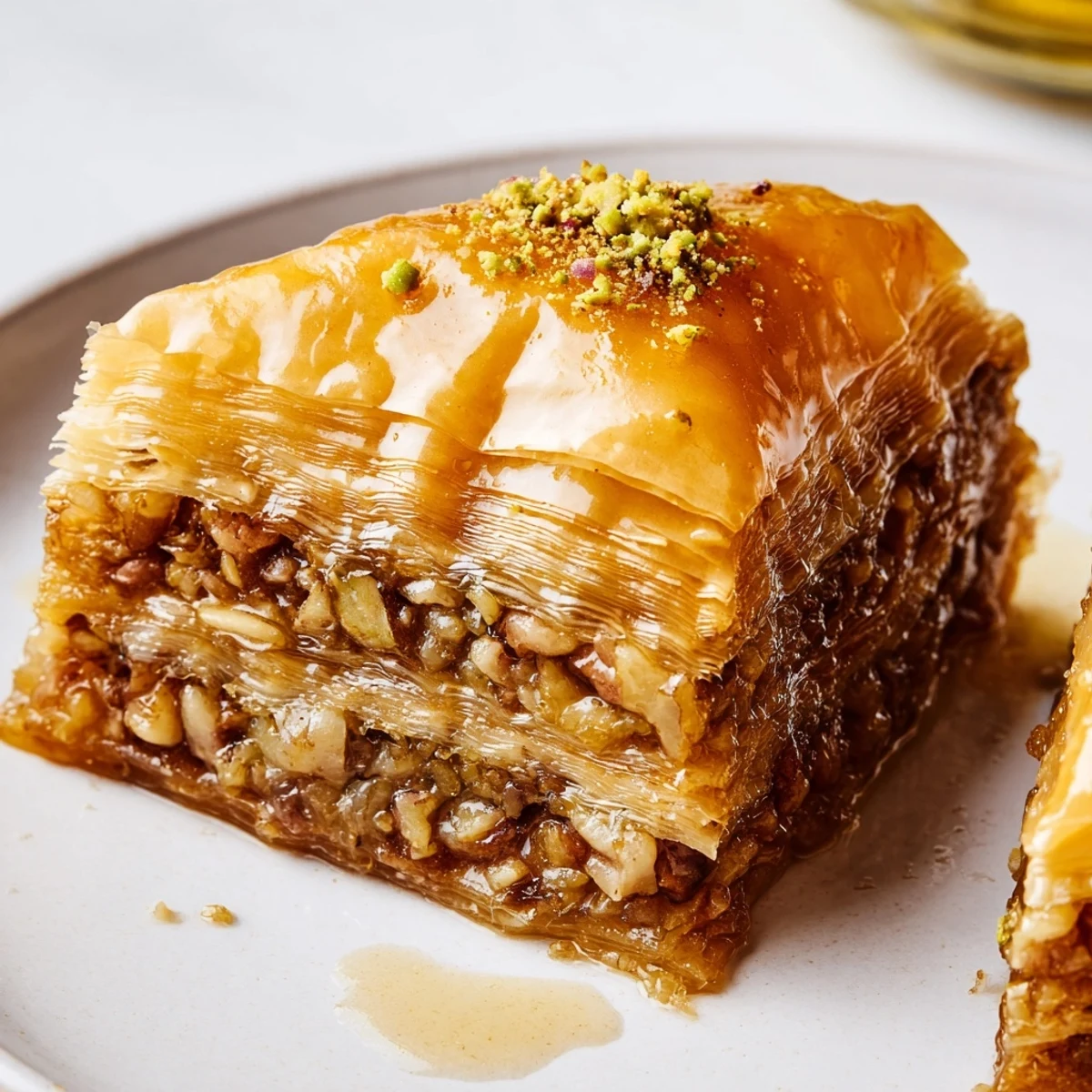
 There is something deeply satisfying about cutting into that first diamond and hearing the crisp shatter, knowing you have created something that connects you to generations of bakers. May your kitchen always smell like butter and roses.
Recipe FAQs
- → How long should baklava sit before serving?
-
Allow baklava to cool completely at room temperature for 2-3 hours after pouring the syrup. For optimal flavor and texture, let it sit overnight. This gives the phyllo layers time to fully absorb the sweet syrup, resulting in a perfectly moist and tender pastry.
- → Can I freeze baklava?
-
Yes, baklava freezes exceptionally well. Wrap individual pieces or the whole tray tightly in plastic wrap and aluminum foil before freezing for up to 3 months. Thaw at room temperature still wrapped to prevent condensation from making the pastry soggy.
- → Why is my baklava soggy?
-
Sogginess usually occurs when cold syrup is poured over hot baklava, or vice versa. Always ensure both the pastry and syrup are hot when combining. Also, make sure to brush each phyllo sheet thoroughly with melted butter to create crisp, flaky layers.
- → What nuts work best in baklava?
-
Walnuts are traditional in Bosnian baklava, but combining them with almonds adds wonderful depth. Pistachios provide beautiful color and delicate flavor. You can substitute hazelnuts or pecans based on preference. Chop all nuts finely for even distribution between layers.
- → How do I prevent phyllo from drying out?
-
Keep unused phyllo sheets covered with a slightly damp kitchen towel while working. Work quickly but gently when handling the delicate dough. If sheets crack, they can still be used in middle layers where small imperfections won't show.