
 Pin it
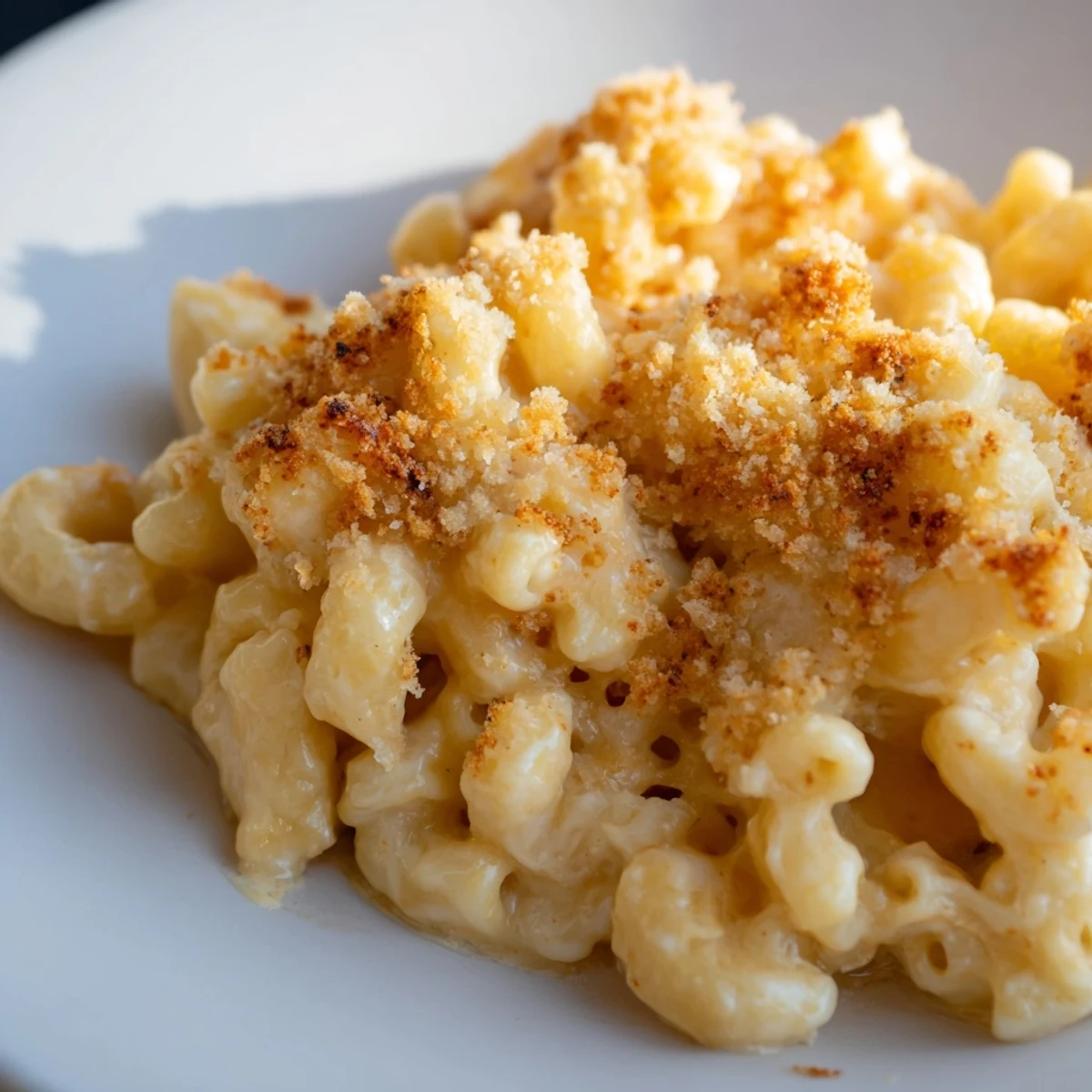
 This dish features tender elbow macaroni enveloped in a rich, smooth cheese sauce blending sharp cheddar and Gruyère. The mixture is topped with buttery breadcrumbs mixed with Parmesan and baked until golden and bubbling. The topping adds a satisfying crunch, complementing the creamy interior perfectly. Ideal as a vegetarian main, it combines familiar flavors with an irresistible texture contrast, making it a comforting and flavorful choice for any meal.
There's something almost sacred about the moment when a golden-brown baked mac and cheese emerges from the oven, steam rising in perfect curls while the breadcrumb topping crackles under a fork. I stumbled onto my version of this classic on a Tuesday night when I had a fridge full of good cheeses and absolutely no plan, and somehow those humble ingredients transformed into something that made everyone at the table pause and actually enjoy the moment together. The secret, I learned, isn't complicated—it's just about respecting the cheese, not overthinking the sauce, and letting that crispy topping do its thing. This is comfort food that somehow feels both intentional and effortless.
I made this for my sister's book club night, and I remember her skeptical expression when I said I'd bring mac and cheese—until she tasted it and got quiet in that way that means something actually landed. She ended up asking for seconds, which was hilarious because she's the kind of person who makes fun of her own family's cooking. That moment taught me that good food isn't about impressing people; it's about feeding them something so honest they forget to perform.
Ingredients
- Elbow macaroni, 340 g (12 oz): Cook it just shy of the package time so it stays firm enough to hold sauce without becoming mushy in the oven.
- Unsalted butter, 60 g (4 tbsp) for the sauce: Quality butter makes the roux smoother and the whole thing tastes less one-dimensional.
- All-purpose flour, 40 g (1/3 cup): This thickens everything without any lumps if you whisk properly and take your time.
- Whole milk, 720 ml (3 cups) and heavy cream, 240 ml (1 cup): The cream lifts the sauce from simple to silky, but don't skip the milk—the balance matters.
- Sharp cheddar cheese, 200 g (2 cups) shredded and Gruyère, 100 g (1 cup) shredded: Sharp cheddar gives tang; Gruyère adds nutty complexity that makes people wonder what you did differently.
- Dijon mustard, 1 tsp, garlic powder, 1/2 tsp, onion powder, 1/2 tsp: These aren't for flavor you can taste directly—they're the secret that keeps the sauce from tasting flat and one-note.
- Salt, 1/2 tsp and black pepper, 1/4 tsp: Taste as you go because cheese already contains salt, and over-salting is a trap.
- Fresh breadcrumbs or panko, 70 g (1 cup): Panko gives more crunch if that's what you're after; fresh breadcrumbs stay a little more tender.
- Unsalted butter, 30 g (2 tbsp) melted for the topping: This makes the breadcrumbs golden rather than sad.
- Grated Parmesan cheese, 30 g (1/4 cup) and paprika, 1/2 tsp (optional): Parmesan adds a sharp finish to the topping; paprika is there if you want a whisper of color and warmth.
Instructions
- Get your oven ready and set the stage:
- Preheat to 180°C (350°F) and grease your 23 x 33 cm baking dish so nothing sticks. This takes thirty seconds and saves you stress later.
- Cook the pasta just right:
- Bring salted water to a boil and cook the macaroni about one to two minutes under the package time—it should still have a tiny bit of resistance when you bite it. Drain it well and set it aside to wait for its sauce.
- Build the foundation with a roux:
- Melt butter in your saucepan over medium heat, then whisk in the flour, stirring constantly for about a minute or two until it turns light golden and smells toasted. Don't rush this part; it's where lumps get born.
- Create the creamy base:
- Slowly pour in the milk and cream while whisking, moving from the edges toward the center to keep lumps from forming. Keep stirring until bubbles appear at the surface and the mixture coats the back of a spoon, which takes about five to seven minutes of steady heat and focus.
- Melt the cheese into silkiness:
- Remove from heat and add both cheeses along with the mustard and spices, stirring until everything dissolves into one smooth, glossy sauce. Taste it and add more salt or pepper if your instinct says so.
- Combine pasta and sauce:
- Pour the macaroni into the cheese sauce and stir until every piece wears a coat of creaminess, then transfer everything into your prepared baking dish.
- Make the topping:
- Mix breadcrumbs, melted butter, Parmesan, and paprika (if you're using it) in a bowl until the breadcrumbs look moistened and a little clingy. Sprinkle this mixture evenly across the top.
- Bake until golden:
- Slide into the oven for twenty-five to thirty minutes until the top turns deep golden and you see sauce bubbling around the edges. This is when you know something good is happening.
- Rest before serving:
- Let it sit for five to ten minutes so the sauce sets just enough to hold together instead of running all over the plate.
 Pin it
 The real turning point in my cooking came when someone told me that good mac and cheese isn't about complicated ingredients—it's about patience and heat control. That shift in thinking changed how I approach comfort food entirely, teaching me that simple things done with attention taste immeasurably better than complicated things done careless.
Cheese Choices That Matter
The pairing of sharp cheddar and Gruyère isn't random—cheddar gives you the flavor people expect, while Gruyère adds a faint sweetness and nuttiness that makes the sauce taste more interesting than it has any right to be. I tried this with all cheddar once and realized I was missing something, then swapped Gruyère for Monterey Jack another time and the whole thing tasted flatter. You don't need to overthink cheese selection, but understanding what each one contributes helps you make the dish your own.
The Breadcrumb Topping Is Non-Negotiable
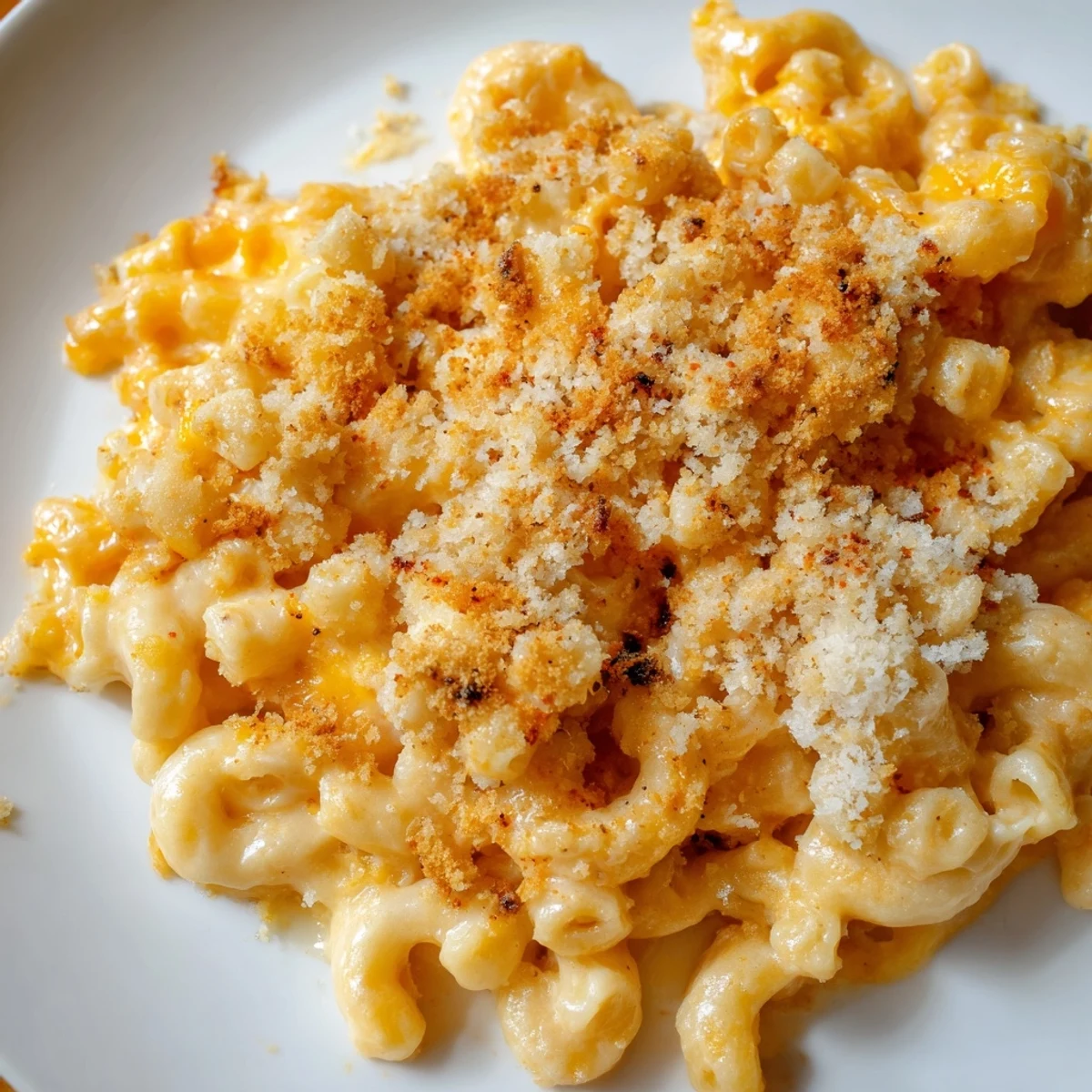
That crispy top layer separates homemade baked mac from the creamy-all-the-way-through versions, and it's worth protecting as part of the identity of this dish. The butter keeps the crumbs from staying dense and heavy; without it, they're just dry bread sitting on top of excellence. If you forget to butter them, you'll notice the difference, so don't skip it even when you're tired.
Making It Your Own
This recipe is a template that welcomes additions without demanding them, which is one reason I keep coming back to it. You can add cooked bacon for smoke, sautéed onions for sweetness, steamed broccoli for color and health, or a pinch of cayenne if you want warmth creeping through the background. The sauce is bold enough to carry friends without getting crowded.
- Stir in your mix-ins after you've combined the pasta and sauce, right before it goes into the dish.
- If you add wet ingredients like bacon grease, reduce the butter in the sauce slightly so things don't become greasy.
- Green salad or roasted vegetables on the side remind everyone that balance exists.
 Pin it
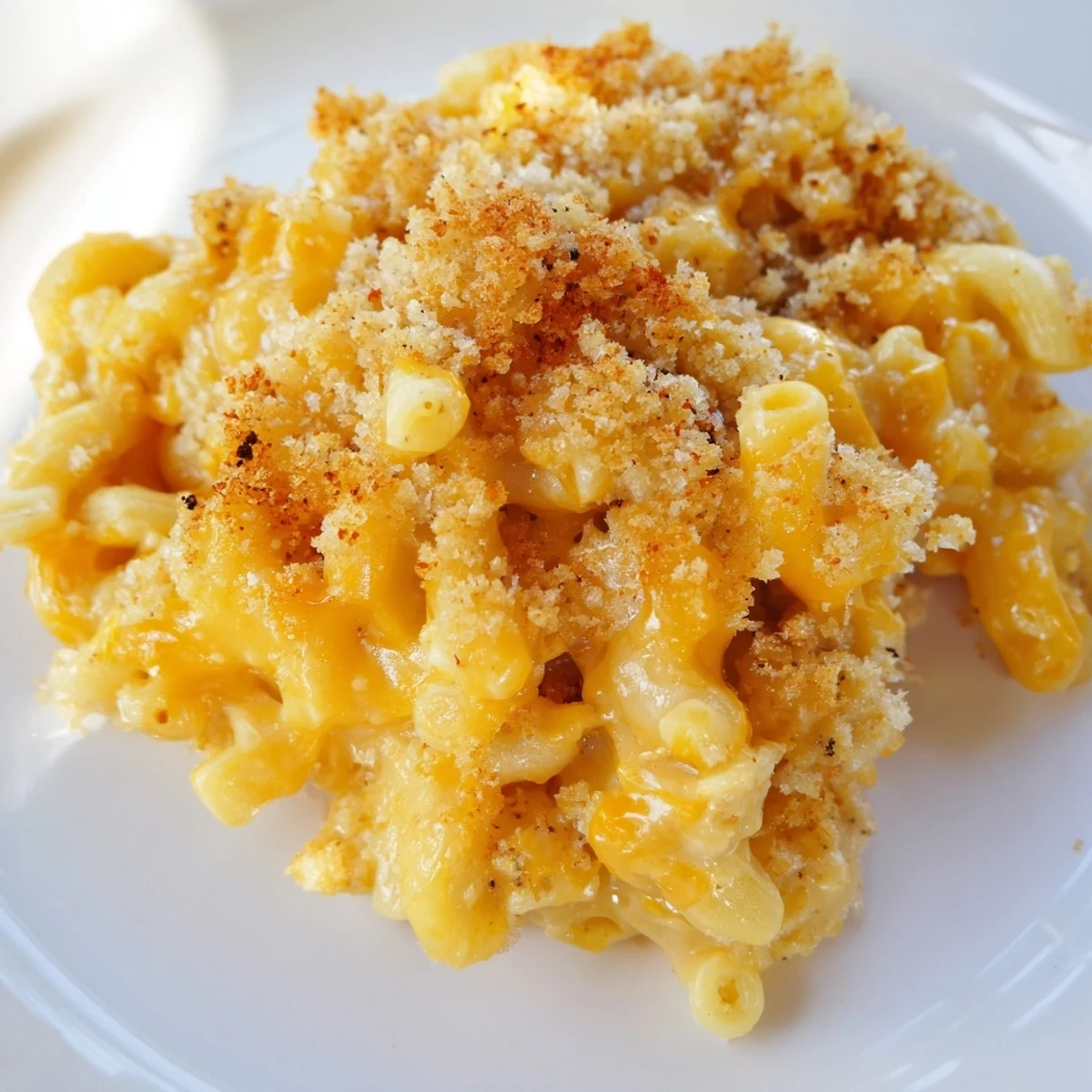
 This is the kind of recipe that earns its place in your regular rotation not because it's complicated, but because it tastes genuinely good and makes people happy. Make it often enough and it becomes the thing people remember about your cooking.
Recipe FAQs
- → What type of pasta is best for this dish?
-
Elbow macaroni is ideal as its curved shape holds the cheese sauce well, providing a perfect creamy bite in every forkful.
- → How can I achieve a crispy topping?
-
Combine fresh breadcrumbs with melted butter and grated Parmesan, then spread evenly before baking to create a golden, crunchy crust.
- → Can I substitute the cheeses used?
-
Yes, Gruyère can be swapped for Monterey Jack or extra cheddar to maintain a smooth, melty sauce with a balanced flavor.
- → What is the purpose of mustard and spices in the sauce?
-
Dijon mustard, garlic, and onion powders enhance depth and complexity, balancing the richness of the cheeses.
- → How do I prevent the pasta from becoming mushy?
-
Cook the macaroni just until al dente, slightly undercooked by 1-2 minutes, as it will finish cooking in the oven without losing texture.
- → Can additional ingredients be added to vary the flavor?
-
Yes, additions like cooked bacon, sautéed onions, or steamed broccoli can introduce new flavors and textures to the dish.