
 Pin it
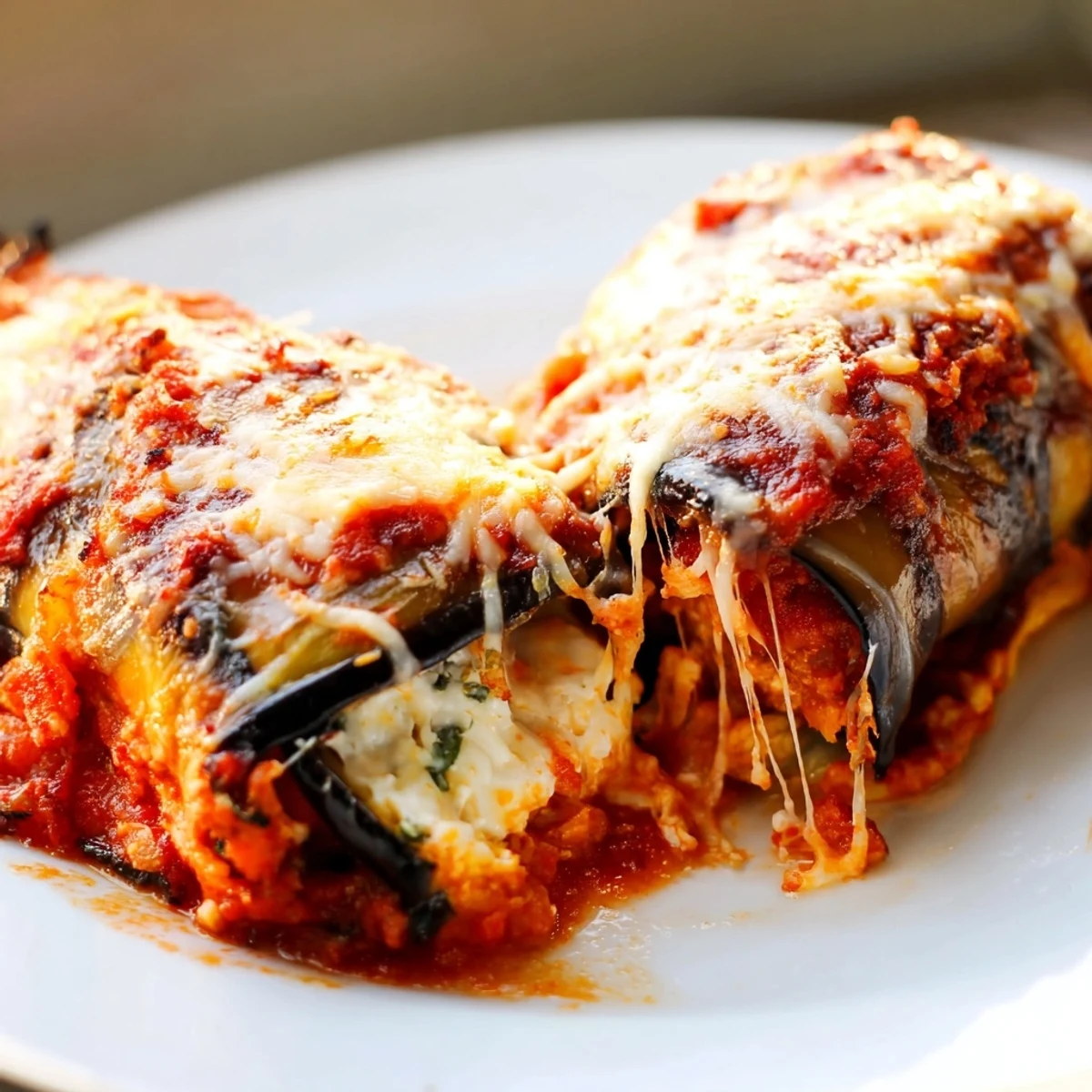
 This dish features tender eggplant slices roasted until golden, then filled with creamy ricotta combined with fresh basil, parsley, parmesan, and a hint of garlic. Rolled carefully and layered in a baking dish, it's topped with marinara sauce and mozzarella before being baked until bubbly and golden. Perfect for a comforting Italian-inspired vegetarian main, it offers a rich blend of textures and flavors, beautifully balanced with fragrant herbs and melted cheese. Ideal for an elegant meal with family or guests.
My mother used to make eggplant rollatini on Sunday afternoons, and I'd watch from the kitchen doorway as she worked with such ease, her hands moving through the assembly like she'd done it a thousand times. One day I finally asked if I could help, and she handed me an eggplant slice still warm from the oven, teaching me the gentle pressure needed to roll without tearing. It's become my go-to dish when I want to feel like I'm cooking with her again, even though now it's just me in my own kitchen.
The first time I made this for someone I was trying to impress, I was so focused on rolling each slice perfectly that I nearly forgot the sauce warming on the stove—caught it just in time. We sat down to eat anyway, and watching them take that first bite made me realize that a little imperfection is part of what makes cooking for others so rewarding. That night, this dish stopped being just a recipe and became something I make whenever I want to show someone they matter.
Ingredients
- Eggplants, 2 large, sliced lengthwise into 1/4-inch thick strips: Look for eggplants that feel heavy for their size and have tight skin; they'll have fewer seeds and less bitterness. I learned to slice them lengthwise rather than crosswise because it gives you longer pieces that actually hold the filling without unraveling.
- Olive oil, 2 tablespoons: Good olive oil makes a real difference here—it helps the eggplant roast evenly and picks up a gentle golden color that looks intentional.
- Salt and pepper, to taste: Season generously before roasting; the eggplant will absorb it and taste fuller.
- Ricotta cheese, 1 1/2 cups (whole-milk recommended): Whole-milk ricotta is creamier and won't split or weep like low-fat versions sometimes do when baked. Taste it first; fresh ricotta makes all the difference.
- Parmesan cheese, 1/2 cup grated: Freshly grated is worth the extra minute; pre-grated has anti-caking agents that make the filling grainy.
- Egg, 1 large: This is your binder, keeping everything from falling apart when you roll and bake.
- Fresh basil, 2 tablespoons chopped: Add this right before mixing the filling so it doesn't bruise and turn dark.
- Fresh parsley, 2 tablespoons chopped: Parsley adds brightness and a subtle earthiness that makes the ricotta less heavy.
- Garlic clove, 1 minced: One small clove is enough; too much overpowers the delicate filling.
- Nutmeg, 1/4 teaspoon (optional): If you use it, grate it fresh—it brings out the sweetness of the ricotta in a way that feels unexpected and right.
- Marinara sauce, 2 cups: Homemade is lovely, but a quality store-bought sauce works beautifully too; just taste it first and season if needed.
- Mozzarella cheese, 1 cup shredded: Fresh mozzarella will get too soft, so use the low-moisture kind that melts into golden pools.
- Breadcrumbs, 2 tablespoons (optional): These add a subtle crunch on top; if you skip them, you still get a perfectly creamy dish.
Instructions
- Heat your oven and prep your stage:
- Preheat to 400°F and line two baking sheets with parchment paper. This prevents the eggplant from sticking and makes cleanup easier, which matters more than you'd think when you're standing there at the end of cooking.
- Arrange and oil the eggplant:
- Lay eggplant slices in a single layer on the baking sheets, then brush both sides with olive oil and season with salt and pepper. The oil is what makes them golden and tender, not greasy—don't skip it.
- Roast until silky:
- Roast for 20-25 minutes, flipping halfway through, until the slices are soft and lightly golden at the edges. You'll know it's ready when a fork slides through easily.
- Prepare the ricotta filling:
- In a bowl, combine ricotta, Parmesan, egg, basil, parsley, minced garlic, nutmeg if using, and a pinch of salt and pepper. Mix until smooth but not overworked; ricotta breaks down if you stir it too much and becomes grainy.
- Build your sauce base:
- Spread 1 cup of marinara over the bottom of your 9x13-inch baking dish. This prevents the rolls from sticking and gives them something delicious to sit in.
- Fill and roll with care:
- Lower your oven to 375°F. Place 2-3 tablespoons of filling at one end of each warm eggplant slice, then roll it up snugly—firm enough to hold together, but not so tight you squeeze out the filling.
- Arrange and sauce:
- Set each roll seam-side down in the baking dish. Pour the remaining marinara over the top, then sprinkle with mozzarella, Parmesan, and breadcrumbs if you're using them.
- Bake covered, then finish uncovered:
- Cover the dish with foil and bake for 20 minutes to let everything heat through gently. Remove the foil and bake another 10-15 minutes until the top is bubbly and lightly golden.
- Rest before serving:
- Let the rollatini sit for 5-10 minutes after coming out of the oven. This helps everything set and makes serving cleaner. Garnish with fresh basil if you have it.
 Pin it
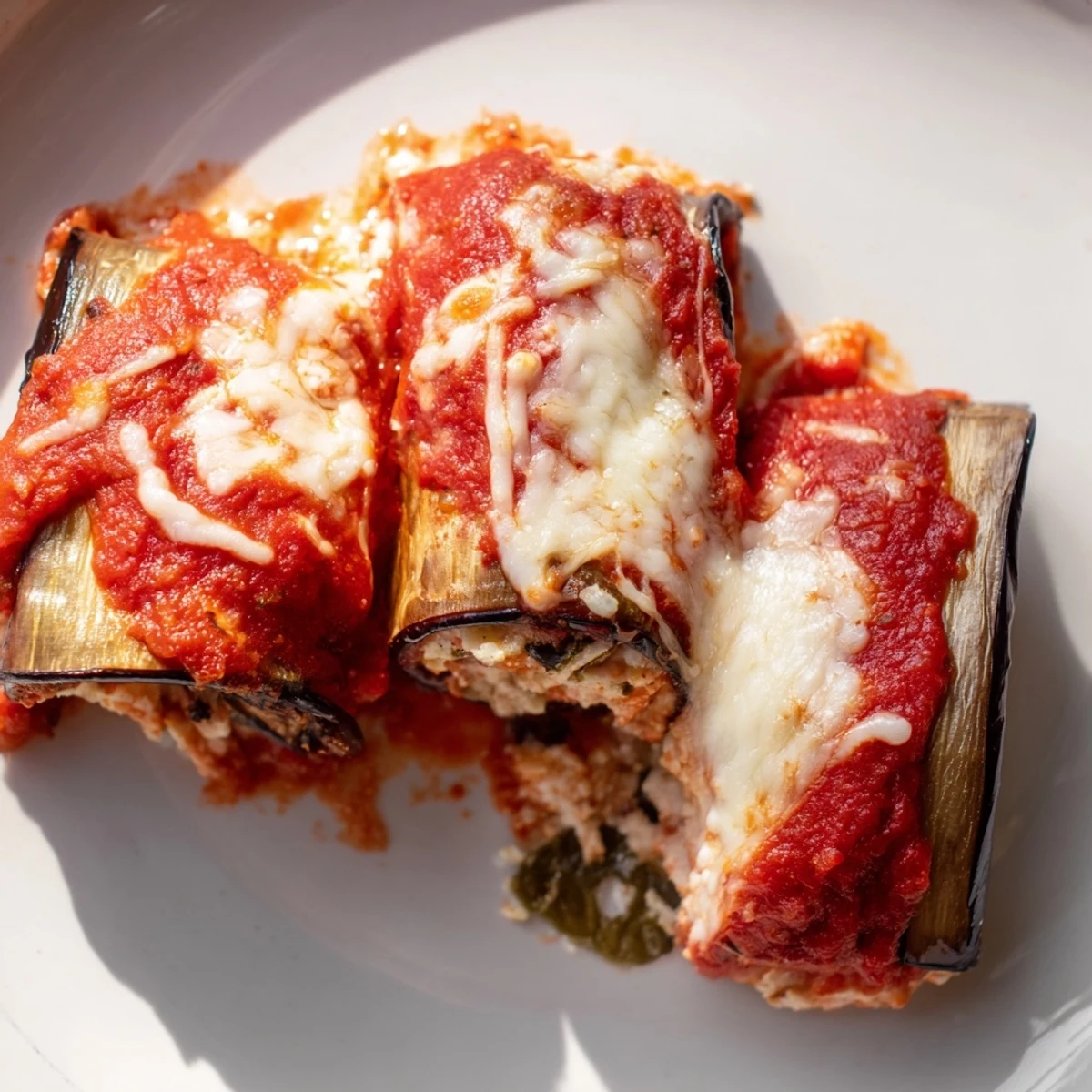
 There's a moment about halfway through baking when the sauce starts bubbling around the edges and the smell hits you—it's garlicky and herbal and rich all at once. That moment is when I know the dish is going to turn out, and it never fails to make me smile. It's the smell of something being made with intention, and somehow it always brings people to the table a little faster than usual.
Why This Dish Became a Favorite
Rollatini sits in that beautiful middle ground where it's special enough for company but comfortable enough for a quiet Thursday night. It feels Italian in the best way—not fussy, just thoughtful. I've served it to people who swore they didn't like eggplant, and I've watched their faces change with that first bite.
Making It Your Own
Once you understand the basic structure—roasted eggplant, creamy filling, tomato sauce—you can play with it gently. Some people add spinach to the ricotta, others layer in a little pinch of red pepper flakes. I've even had versions with a whisper of anchovy paste in the sauce that made everything taste sharper and more alive. The dish is forgiving enough that you can bend it slightly without breaking it, which is rare.
Serving and Pairing
Serve this with something light and green alongside it—a simple salad with lemon and olive oil cuts through the richness perfectly and makes the whole plate feel balanced. Crusty bread for soaking up the sauce is non-negotiable, and if you have a medium-bodied red wine like Chianti in the house, it becomes an evening rather than just dinner.
- Leftovers keep beautifully for three days in the fridge and actually taste better as the flavors deepen.
- This dish freezes well too, though I always underbake it slightly before freezing so it doesn't dry out when reheated.
- If someone needs gluten-free, just skip the breadcrumb topping or use a gluten-free version—the dish doesn't need them anyway.
 Pin it
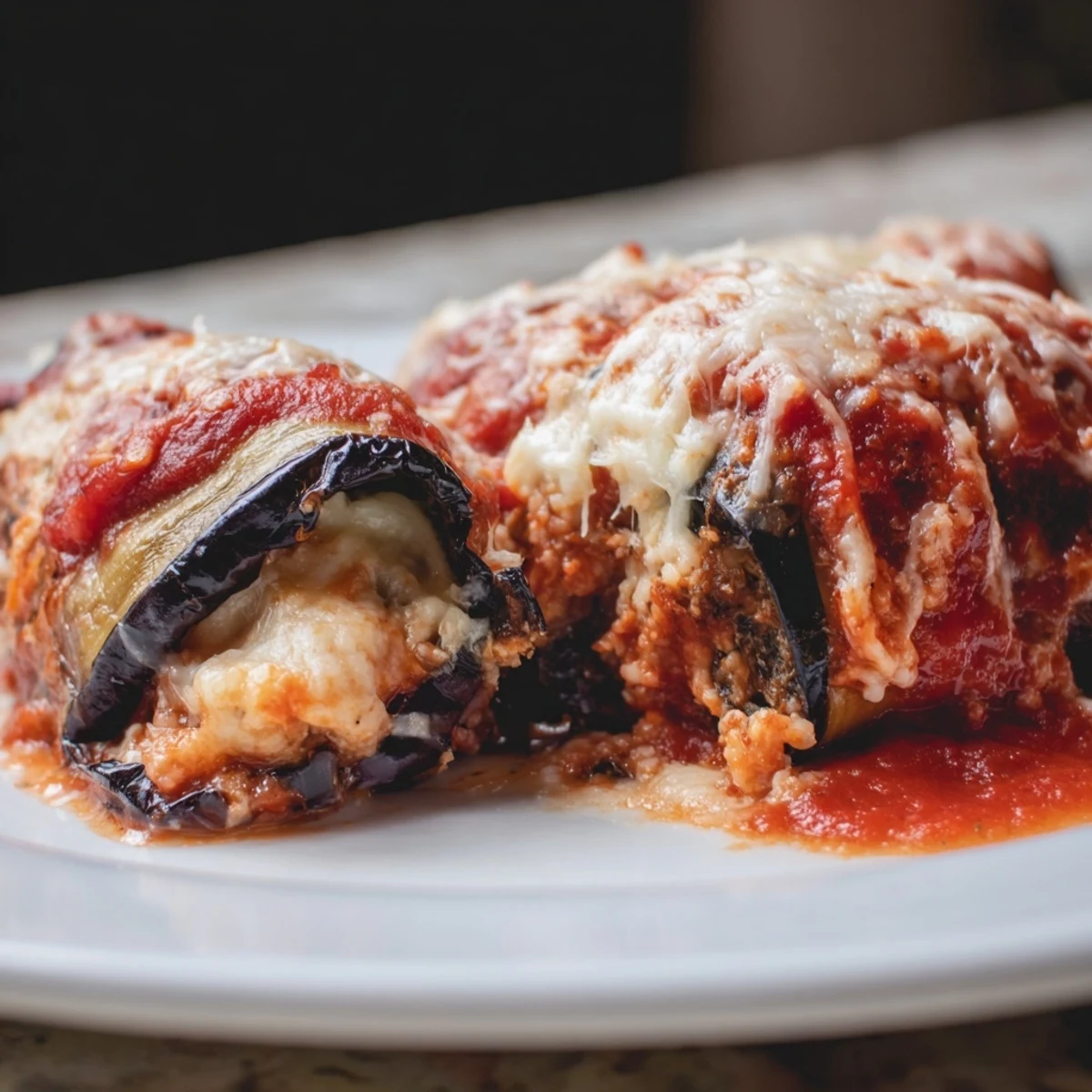
 There's something deeply satisfying about pulling a golden, bubbly dish from the oven and knowing you made it with your hands. This recipe has a way of making that satisfaction feel earned but also easy, which might be the best combination a dish can offer.
Recipe FAQs
- → How do I prevent eggplant from becoming soggy when baking?
-
Roasting eggplant slices on a baking sheet before filling helps draw out moisture, resulting in tender but not soggy rolls. Brushing with olive oil and roasting at a high temperature ensures a lightly golden texture.
- → Can I prepare the filling in advance?
-
Yes, mixing ricotta with parmesan, herbs, egg, and seasonings ahead of time allows flavors to meld. Store covered in the fridge and use within 24 hours for best freshness.
- → What are good herb substitutes if fresh basil or parsley aren't available?
-
Dried oregano or thyme can be used sparingly to maintain an aromatic profile, but fresh herbs are recommended for their vibrant flavor in this dish.
- → Is it necessary to use breadcrumbs on top?
-
Breadcrumbs add a subtle crunch and help absorb excess moisture but are optional. Gluten-free breadcrumbs can be used for dietary needs or omitted entirely.
- → How long should the dish rest before serving?
-
Allowing 5 to 10 minutes of resting time after baking helps the filling set slightly and makes slicing easier, while intensifying flavor meld.
- → What wine pairs well with this baked eggplant main?
-
A medium-bodied Italian red wine like Chianti complements the tomato-based sauce and creamy cheese, enhancing the overall dining experience.